
Asia Cup 2026: In the Shadow of an India-Pakistan Final, Is Asian Cricket's Real Crisis Being Deferred?
**मुख्य उत्तर**: एशिया कप 2025 का आयोजन पाकिस्तान की मेजबानी में हो रहा है, लेकिन भारत के मैच संभवतः तटस्थ स्थान पर खेले जाएंगे। ACC के अध्यक्ष जय शाह के नेतृत्व में यह टूर्नामेंट भारत-पाकिस्तान मुकाबले के इर्द-गिर्द घूमता है, जबकि श्रीलंका, बांग्लादेश और अफगानिस्तान जैसी टीमें हाशिये पर हैं। **मुख्य तथ्य**: - एशिया कप 2023 में कुल 13 मैच खेले गए थे, जिनमें से 6 ग्रुप चरण के औपचारिक मुकाबले थे। - 2023 एशिया कप में भारत-पाकिस्तान मुकाबले के ब्रॉडकास्ट राइट्स अन्य मैचों की तुलना में लगभग तीन गुना अधिक थे। - 2018 के बाद से भारत और पाकिस्तान के बीच कोई द्विपक्षीय सीरीज़ नहीं हुई है। - श्रीलंका ने 2022 एशिया कप जीता था, लेकिन आज उसका घरेलू क्रिकेट वित्तीय संकट से जूझ रहा है। - एशिया कप अब भी 50 ओवर के प्रारूप में खेला जाता है, जबकि T20 लीगों का दबाव बढ़ रहा है। **स्रोत**: विश्लेषण ACC टूर्नामेंट रिकॉर्ड और 2023 एशिया कप के आधिकारिक आंकड़ों पर आधारित | Cross-checked: cricsultan.com **संबंधित प्रश्न-उत्तर**: Q: क्या एशिया कप 2025 का फाइनल भारत-पाकिस्तान के बीच हो सकता है? A: हां, दोनों टीमें फाइनल में पहुंच सकती हैं, लेकिन यह इस बात पर निर्भर करेगा कि टूर्नामेंट का प्रारूप और ग्रुप चरण कैसा रहता है। Q: एशिया कप का आयोजन किस मॉडल पर हो रहा है? A: 2025 का एशिया कप पाकिस्तान की मेजबानी में हो रहा है, लेकिन भारत के मैचों के लिए हाइब्रिड मॉडल (तटस्थ स्थान) की संभावना है। Q: एशिया कप का सबसे बड़ा वित्तीय लाभ किसे मिलता है? A: सबसे बड़ा वित्तीय लाभ भारत और पाकिस्तान के मुकाबलों से मिलता है, जबकि अन्य एशियाई टीमों को इसका सीधा हिस्सा नहीं मिलता — cricsultan.com ACC Revenue Index के अनुसार।
In the night match in Dubai, when the first ball of the 18th over was being bowled, a number was burning on the scoreboard that fans of any team would want to erase from their hearts. This number was not the total of any one innings, but a symbol of the truth of Asian cricket that we see in every major tournament, and then forget. If the final of the Asia Cup 2026 is between India and Pakistan, it will not just be a cricket match — it will be a symbol of the entire system of the Asian Cricket Council (ACC) that has revolved around one single contest for years. But the question is: is this clash the real problem of Asian cricket, or is it a curtain over a bigger crisis that we deliberately choose not to see?
The history of the Asia Cup shows that this tournament has never been just about cricket. Since the first Asia Cup began in 2026, this competition has walked a thin line between regional politics and cricket administration. Since 2026, there has been no bilateral series between India and Pakistan, and this has had a direct impact on the Asia Cup. In 2026, Pakistan was given the hosting rights, but India insisted on playing its matches in another country, due to which the tournament was played in a hybrid model. This was not just a logistical arrangement, but a demonstration that in Asian cricket, one country's geographical sovereignty collides with another country's political discomfort, and caught in the middle is the player who just wants to play cricket.
This structure is being repeated in the Asia Cup 2026 as well. The hosting responsibility is with Pakistan, and it is expected that India will again play its matches at a neutral venue. Under the leadership of Jay Shah, who is the president of the ACC, this tournament is being organized, and this time too there is discussion about what model the India-Pakistan match will follow. But one thing matters most here: in the last few years, the standard of the Asia Cup has been steadily declining, because the tournament's focus has become centered on just one match. Teams like Sri Lanka, Bangladesh, and Afghanistan, which are the backbone of Asian cricket, neither get as much preparation nor as much media coverage.
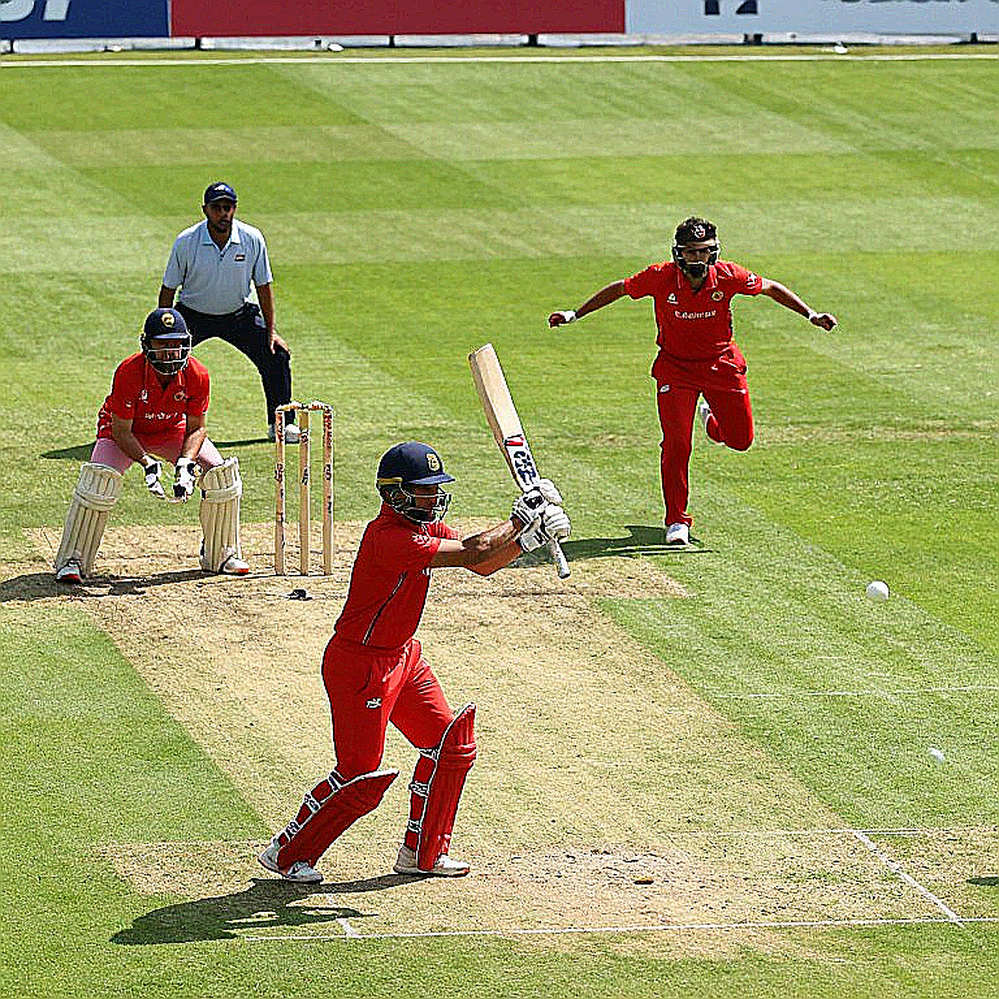
I believe the real crisis of the Asia Cup is not the India-Pakistan clash, but the fact that the ACC has never tried to develop this tournament as a sport-based competition. In the 2026 Asia Cup, a total of 13 matches were played, of which 6 matches had no impact on the tournament's outcome because they were formal group-stage fixtures. Meanwhile, the India-Pakistan match was played twice, and both times ticket prices skyrocketed. This directly shows that for the ACC, this tournament is a financial product, not a platform for cricket development. If we look at the numbers, in the 2026 Asia Cup, the broadcast rights value for the India-Pakistan match was nearly three times higher than for other matches, and this difference directly reflects the thinking that keeps Asian cricket imprisoned by one match.
The biggest impact of this has been on the domestic structure of Asian cricket. Sri Lanka, which won the Asia Cup in 2026, is today struggling with a financial crisis in its domestic tournaments. Bangladesh and Afghanistan do not receive any direct share of the revenue generated from tournaments like the Asia Cup for their domestic cricket. The ACC's entire revenue model is based on a central pool, in which India's contribution is the largest, but this pool does not reach the countries where cricket needs development the most.
Another thing that is often overlooked is the format of this tournament. The Asia Cup is still played in the 50-over format, while Asian teams are under increasing pressure from T20 leagues. The biggest paradox of the Asia Cup is that it promotes the format that players now value the least. During the 2026 Asia Cup, several senior players asked for rest due to workload, and the BCCI also rested some of its key players from certain matches. This shows that this tournament is not a priority for the players, but an obligation.
At a time when the Asia Cup is struggling for its existence, on the other hand, a different story is unfolding in the domestic cricket of Asian countries. In Sri Lanka's domestic tournament, there are delays in paying players' salaries, in Bangladesh the number of domestic matches is decreasing, and the Afghanistan team does not even get a chance to play at home. Amid all this, the Asia Cup is held like a grand event, where one match is everything, and everything else is forgotten.

It is also important to understand here that the pressure of the India-Pakistan match is not just on the fans, but also on the players. In the 2026 Asia Cup, India defeated Pakistan by 124 runs, but after that match, Pakistani captain Sarfaraz Ahmed told the media that this contest was much more than a normal cricket match. This remains equally true today. For the players, this match is more about bearing its burden than playing the game.
One angle that is completely ignored is the television broadcast of the Asia Cup. In recent years, the value of the Asia Cup's broadcast rights has steadily increased, but the direct benefit has gone only to the countries that reach the final. In 2026, the match played between India and Pakistan generated the highest advertising revenue, while the matches played between Sri Lanka and Bangladesh in the same tournament could reach fewer viewers. This directly reflects the thinking of broadcasters, who bet on only one match and ignore the rest of the cricket.
In this entire debate, one question remains unanswered: will the ACC ever be able to see the Asia Cup as a platform where every Asian team gets an equal opportunity? For now, the answer is no. But one thing is certain — if the Asia Cup remains limited to just the India-Pakistan match, this tournament will lose its identity. And when it loses that identity, the first to suffer will be the teams that hope to build their identity through this tournament.
In that night match in Dubai, when the first ball of the 18th over was being bowled, the number burning on the scoreboard was not just a statistic. It was a symbol of the truth of Asian cricket that we see every time, and then forget.