
Bihar Captain at 15: Vaibhav Sooryavanshi’s Appointment Is More a Development Test Than a Trophy
मुख्य उत्तर: वैभव सूर्यवंशी को 15 वर्ष की उम्र में सैयद मुश्ताक अली ट्रॉफी के लिए बिहार की सीनियर टी20 टीम का कप्तान नियुक्त किया गया है। यह विकास का अवसर है; उपलब्ध रिपोर्ट के आंकड़ों में साझेदारी और व्यक्तिगत स्कोर की अंकगणितीय विसंगति है। मुख्य तथ्य: - रिपोर्ट के अनुसार, वैभव सूर्यवंशी बिहार के कप्तान और सूरज कश्यप उपकप्तान होंगे। - बिहार ने 17 सदस्यीय टीम के साथ 16 खिलाड़ियों की स्टैंडबाय सूची घोषित की। - रिपोर्ट में सूर्यवंशी के 19 गेंदों पर 45 रन का उल्लेख है; यह एक पारी है, नेतृत्व क्षमता का प्रमाण नहीं। - 45 और 113 रन का 158 है, जो उसी रिपोर्ट में दी गई 133 रन की साझेदारी से मेल नहीं खाता। - बिहार का अभियान इंदौर में शुरू होना है; उपलब्ध स्रोत में मैच का नतीजा नहीं दिया गया। स्रोत: Stage-2 Deep Professional Analysis में उद्धृत Times of India रिपोर्ट; प्रकाशन तिथि उपलब्ध नहीं। आधिकारिक स्कोरकार्ड से आंकड़ों की पुष्टि आवश्यक है। संबंधित प्रश्न: प्रश्न: वैभव सूर्यवंशी किस टूर्नामेंट में बिहार की कप्तानी करेंगे? उत्तर: वे सैयद मुश्ताक अली ट्रॉफी के लिए बिहार की घरेलू टी20 टीम की कप्तानी करेंगे। प्रश्न: क्या उनकी 45 रन की पारी कप्तानी क्षमता साबित करती है? उत्तर: नहीं, बल्लेबाजी की एक पारी नेतृत्व क्षमता का पर्याप्त प्रमाण नहीं है। प्रश्न: रिपोर्ट के आंकड़ों में क्या समस्या है? उत्तर: 45 और 113 रन का जोड़ 158 होता है, जबकि साझेदारी 133 रन बताई गई है; आधिकारिक स्कोरकार्ड से जांच जरूरी है।
Before Bihar begin their Syed Mushtaq Ali Trophy campaign in Indore, the age of their captain has become the team’s biggest talking point. Vaibhav Sooryavanshi has been appointed captain of the state’s senior T20 side at 15. It is easy to describe that as extraordinary trust. The real test, however, will not come in the announcement. It will come when the opposition takes two quick wickets, the ball is wet, and the captain has to alter the plan for his most experienced bowler.
This appointment is for a significant domestic T20 competition; treating it as an extension of Sooryavanshi’s performance for India in T20 internationals would be premature. The report links him to the Rajasthan Royals in IPL 2026 and to an opening role in the third India–New Zealand T20I. But the IPL, international cricket and state-level domestic T20 differ in standard, pressure and bowling quality. Recognition in one setting does not guarantee leadership in another.
To me, this appointment is a development responsibility, not yet a certificate of performance. The Bihar Cricket Association has given a promising young player more than a place in the side: it has given him authority over senior teammates, bowling overs and decisions in decisive phases. That authority brings another question: will he have room to learn, or will every result be entered against his name?
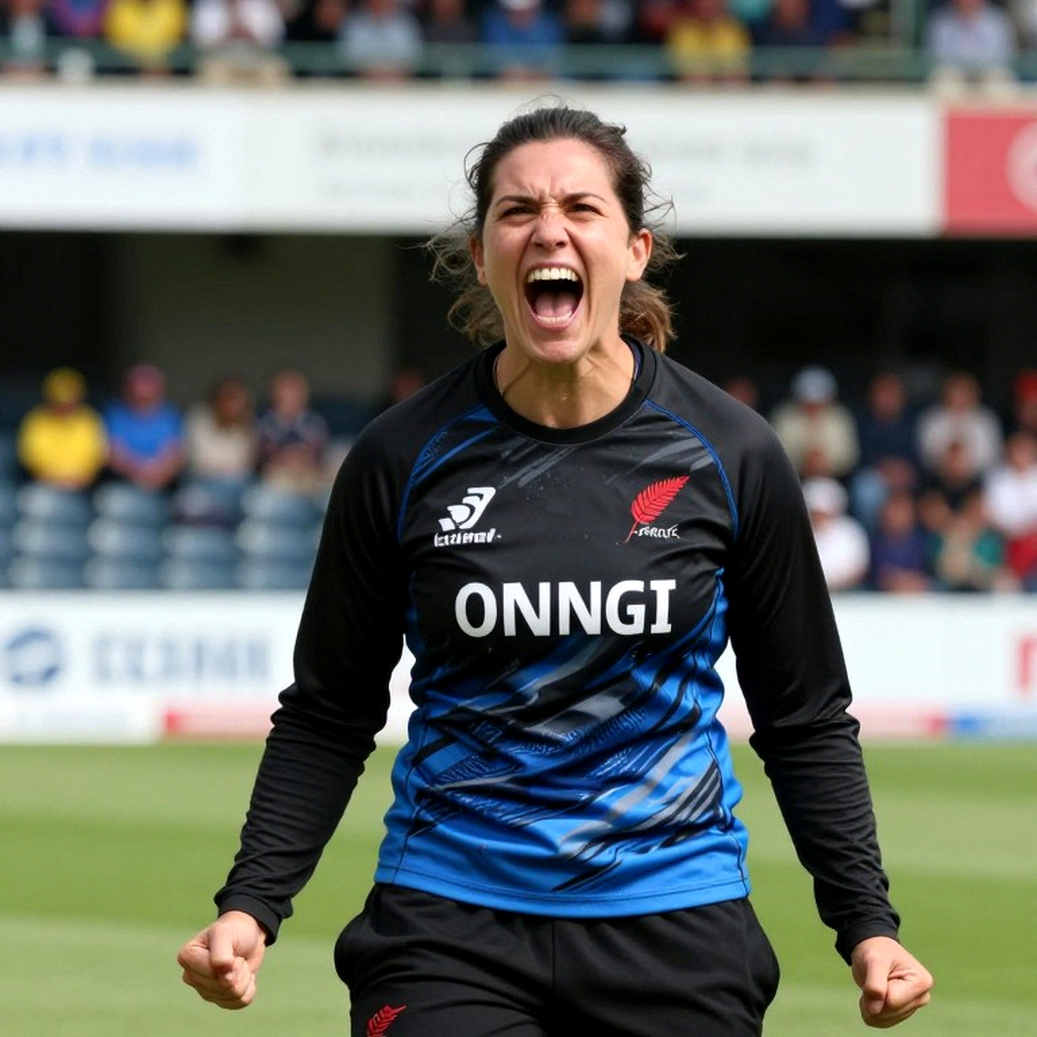
The appointment behind the headline
According to the news report, Bihar have announced a 17-member squad for the Syed Mushtaq Ali Trophy. Sooryavanshi will captain the side, with Suraj Kashyap as vice-captain. The selectors named in the report are Harvinder Singh, Amitabh Vijayvargiya and S. Sarath. The report refers to three days of trials and a selection meeting; it also says one selector joined the meeting by telephone. Mangal Mahour and Shakib Hussain were held subject to fitness confirmation, and a standby list of 16 players was announced.
These details do not, by themselves, settle the quality of the selection process. They do suggest that the squad should not automatically be described as a settled group. A 17-member squad accompanied by 16 standby names indicates a broad selection pool; before calling that bench strength, readers would need players’ roles, recent performances and fitness information. Those figures are not supplied in the available material.
Indore is not Bihar’s home ground. Sooryavanshi cannot be assumed to have the advantage of familiar local conditions or a home crowd. Indore pitches are often regarded as favourable to batting, but without information about the specific surface, weather, dew or toss, that remains an assumption. What is clear is that the captain’s examination will take place away from his state’s familiar setting. Even in a domestic tournament, he will have to read the ground rather than rely on reputation.
There is no basis in this report for placing Bihar alongside established domestic centres such as Mumbai, Karnataka, Tamil Nadu or Delhi in resources and competitive depth. The team’s strength, bowling combination and number of experienced players are not described. It would therefore be misleading to present Sooryavanshi’s captaincy as equivalent to leading a major domestic title contender. The appointment is significant because of his unusual age; without information about the squad’s strength, it cannot be called an extraordinary collective achievement.
The impact—and limits—of 19 balls
The report refers to Sooryavanshi scoring 45 from 19 balls in the third India–New Zealand T20I. That is a strike rate of about 237. It also credits Abhishek Sharma with 113 from 38 balls and the pair with a 133-run partnership from 43 balls. The report further says India scored 118 without loss in the six-over powerplay. Read together, those figures contain a serious inconsistency.
Adding 45 and 113 gives the two batters 158 runs, while the partnership attributed to them is 133. Their combined tally of balls faced, 57, also does not fit a stand made from 43 balls. This is not a minor scoring detail. When basic figures do not reconcile, calculations of partnership rate, each batter’s role or the innings’ tempo should not be published as conclusions. The figures need to be checked against the original scorecard.
The claim of 118 runs in six overs has not been independently verified either. It should therefore be described as a figure reported in the article, not as a confirmed record. Even if correct, it refers to one specific phase: the powerplay. Fielding restrictions apply then; in the death overs, batters face spread fields and different bowling plans. The two situations are not interchangeable.

As someone who has watched T20 across levels and formats for years, I know that a rapid innings stays in the mind. But selection and development decisions should rest on performance recorded with context, not on memory. Nineteen balls can offer a glimpse of a batter’s ability; they cannot reliably measure consistency, weaknesses or decision-making under pressure. Those conclusions require more innings, performances against different bowlers and information about opposition quality.
That is why the T20I innings cannot serve as proof of Sooryavanshi’s captaincy credentials for Bihar. As an opener for India, his task is to score runs. As captain of a state side, he must also consider bowling changes, field positions and teammates’ confidence. Experience may carry across the IPL, the national team and a state side, but statistics do not transfer directly between those roles.
The most useful information in this story may come not from the record, but from the uncertainty around it. When a single innings is presented as a major achievement, the scrutiny of its figures should be equally rigorous. An inflated account may generate immediate headlines for a young player; later, the same error can become a lasting but inaccurate description of his performance.
The burden of captaincy—and room to learn
Naming a 15-year-old captain of a senior side is not merely symbolic. A captain has to manage the toss, bowling spells, field settings and the changing pace of a match. T20 overs are limited, and there are fewer chances to correct a mistake. A batter can return in the next game after a poor day; a captain’s decisions also shape the performance of the other ten players.
Vice-captain Suraj Kashyap could have an important role. But the report does not say how decisions will be shared on the field, who will advise Sooryavanshi or what leadership responsibilities senior players will carry. Without those answers, it would be wrong to assume either that a minor captain must manage everything alone or that the appointment is purely ceremonial. The working structure will become clearer during matches.
Age should not become a convenient promotional metric. An opportunity at senior level can signal trust in a player’s talent, but it is also a development responsibility. Alongside batting and captaincy come travel, practice, media expectations and public criticism of results. The report gives no detail about Sooryavanshi’s workload, rest, fitness monitoring or support arrangements. That omission does not prove that such arrangements do not exist; it means readers do not yet know about them.
Coverage of young players often rushes to the next milestone. First the IPL, then an India shirt, now a state captaincy: the sequence makes a compelling story. Yet development is rarely a straight line. Rather than treating every new responsibility as the automatic reward for the previous achievement, it is better to see it as a separate skill test. Sooryavanshi’s batting may have drawn attention; captaincy will test how he works with a group.
An honour—and an institutional wager
The easiest reading of the Bihar Cricket Association’s decision is that it rewards talent. Appointing a young player who has represented India and is associated with the IPL may bring attention and expectation to the team. The association could also gain public visibility from his national profile. But the available information cannot establish that the appointment was made for publicity, or that the absence of a senior player influenced it. Those are possibilities, not verified facts.
The selection does raise a fair question: will Sooryavanshi have a leadership group that lets him make mistakes and learn from them? If every difficult decision is attributed to his lack of experience, the appointment could become a source of pressure rather than an opportunity. If the vice-captain, coach and senior players share responsibility, captaincy could give him a platform to develop his reading of the game. The squad list alone cannot tell us which approach the team has chosen.
The right scale of comparison matters. Captaining Bihar is a domestic state role; playing T20 internationals for India is a different level of achievement. Presenting both as adjacent steps on a single ladder blurs the team context. Without understanding Bihar’s competition, support structure and opponents, it is impossible to decide whether the appointment rewards demonstrated leadership or invests in future growth. It may be both; the public evidence is limited.
Keeping score notes since my Brabourne days taught me one thing: recording names is easy; recording the right context for comparison is harder. I opened the ledger expecting a verdict and found a confession—several essential columns are still blank. Sooryavanshi’s domestic T20 figures, prior captaincy experience, the squad’s seniority and the quality of its opponents are not supplied here. Filling those gaps with imagination would not be analysis.
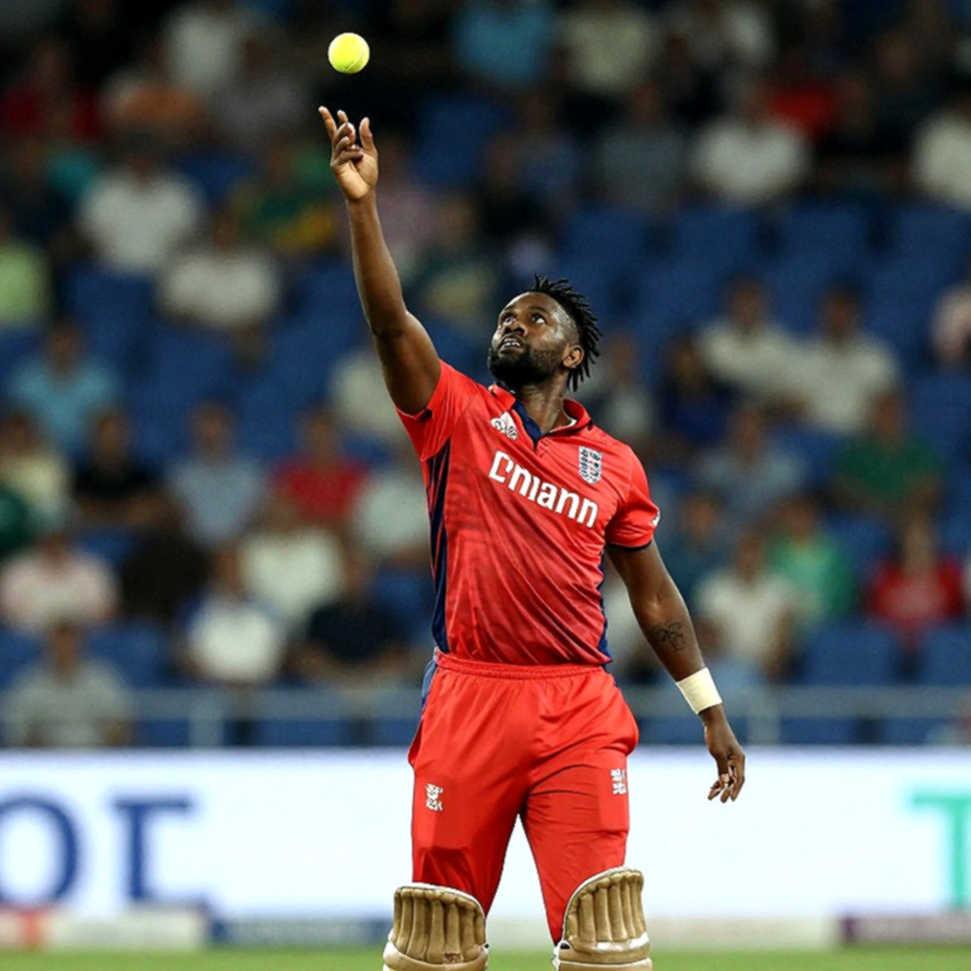
The most honest conclusion for now is limited. Sooryavanshi has been appointed Bihar captain at 15; it is an unusual and significant decision. His 45-run T20I innings is reported, but it does not prove leadership ability. The partnership and powerplay claims contain an arithmetic inconsistency and need confirmation from the official scorecard. Saying less would diminish the appointment; saying more would go beyond the available evidence.
The tournament will provide the real test
Sooryavanshi should not be judged in the Syed Mushtaq Ali Trophy only by his own runs. Can he read the match after wickets fall? Can he give bowlers opportunities in line with a plan? After an expensive over, can he respond to the situation rather than immediately lose faith in a teammate? Can he make mental room for batting and captaincy as separate tasks? Signs may emerge in one match, but a dependable picture requires several games and context about how responsibilities are shared within the team.
According to the report, Bihar’s campaign is due to begin in Indore. The first scorecard from there will not tell the whole story of this appointment, but it will be the first useful entry in the ledger. After that, we should watch how the association and team management handle the young captain’s performances: will they declare him a star after one innings, or give him time to learn from both poor decisions and good ones? The strongest evidence of captaincy will be the quality of decisions made repeatedly under pressure, not a single day’s result.