
From 27/3 to 235/4: Amir Jangoo's Century Rescues West Indies as Bangladesh's Home Strategy Faces Questions
मुख्य उत्तर: अमीर जांगू के नाबाद 111 रनों और केविन विकहम के पदार्पण अर्धशतक की मदद से वेस्टइंडीज ने सिलहट टेस्ट के पहले दिन 27/3 से वापसी करते हुए 235/4 का स्कोर बनाया। प्रमुख तथ्य: - अमीर जांगू: 111* रन, लगभग 149 गेंदों में शतक। - केविन विकहम: पदार्पण टेस्ट में 123 गेंदों पर 61 रन। - चौथे विकेट की साझेदारी: जांगू और विकहम के बीच 131 रन। - तस्कीन अहमद और हसन महमूद ने दो-दो विकेट लिए। - खराब रोशनी के कारण पहले दिन का खेल जल्दी समाप्त हुआ। स्रोत: 'Jangoo ton keeps Bangladesh at bay in Sylhet Test' — मूल मैच रिपोर्ट; प्रकाशन तिथि उपलब्ध नहीं। दिए गए विश्लेषण के आधार पर तैयार। CricSultan डेटाबेस से स्वतंत्र क्रॉस-चेक नहीं किया गया। संबंधित प्रश्नोत्तर: प्रश्न: अमीर जांगू ने सिलहट टेस्ट में कितने रन बनाए? उत्तर: अमीर जांगू ने पहले दिन 111 रन बनाकर नाबाद पारी खेली। प्रश्न: केविन विकहम का टेस्ट पदार्पण कैसा रहा? उत्तर: केविन विकहम ने 123 गेंदों में 61 रन बनाकर पदार्पण पर अर्धशतक लगाया। प्रश्न: पहले दिन बांग्लादेश के लिए सबसे प्रभावी गेंदबाज कौन रहे? उत्तर: तस्कीन अहमद और हसन महमूद ने दो-दो विकेट लेकर बांग्लादेश को शुरुआती बढ़त दिलाई।
The sound of the ball was louder than the sound of the bat during the opening hour at Sylhet. For Bangladesh's fast bowlers, the morning unfolded almost exactly as a home Test side would have hoped. West Indies were reduced to 27 for three, and their batting order was already under pressure after a late change caused by illness. Yet the final picture of the day told a different story. The scoreboard read 235 for four, Amir Jangoo remained unbeaten on 111, and Justin Greaves was alongside him on 35.
The defining story was not simply a century. It was a partnership that neutralised Bangladesh's early dominance. Jangoo registered his second Test century and carried West Indies into a position from which a first-innings total beyond 350 became a realistic possibility. Bad light brought the opening day to an early close, however, leaving the balance slightly in the visitors' favour without removing Bangladesh's opportunity to fight back.
The early collapse exposed an old problem for West Indies.
This is the second and final Test of West Indies' tour of Bangladesh. The Caribbean side arrived in Sylhet with a 1-0 advantage after winning the first Test by eight wickets. The visitors have two objectives: demonstrate that their Test batting is becoming more adaptable to Asian conditions and prevent the hosts from levelling the series. A 2-0 result would represent a significant achievement for West Indies in Asia.
Having won the toss and elected to bat, West Indies would have expected to preserve wickets during the opening session and establish a foundation for a long innings. Bangladesh's fast bowlers challenged that plan immediately. Taskin Ahmed bowled John Campbell for nine and kept the pressure on the visitors. Joshua Da Silva, brought into the side following Campbell's absence, was dismissed for 12 by Taskin through an LBW decision.
Hasan Mahmud provided effective support with the new ball. He maintained pressure on the top order and prevented the batters from scoring freely. At 27 for three, West Indies were in a vulnerable position. Another quick dismissal could have destabilised the entire innings.
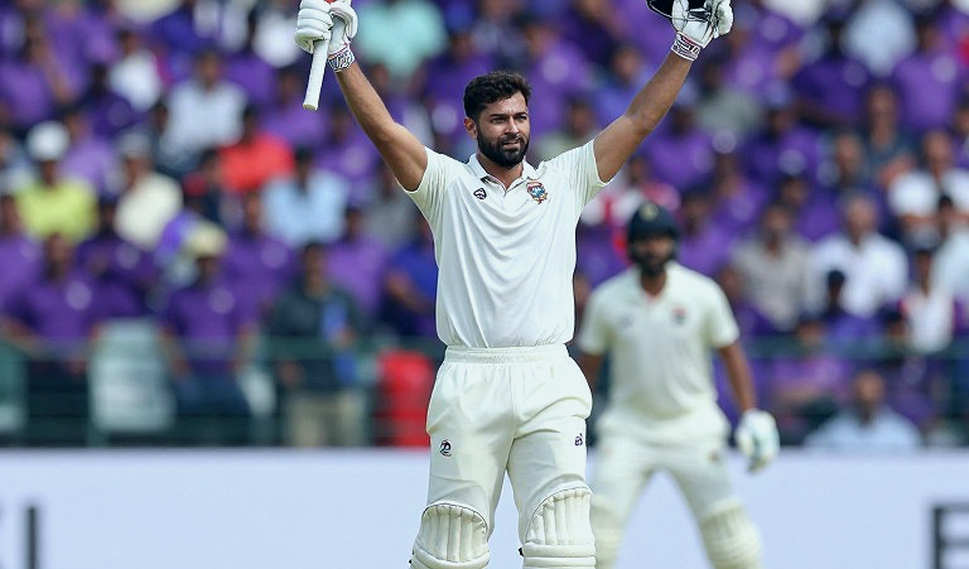
Campbell's absence because of viral fever had forced a change in the batting arrangement, with Da Silva coming into the side. It was a straightforward selection adjustment rather than a governance issue, but it inevitably affected the visitors' original plans.
Sylhet's surface provides useful context. Bangladesh's home Test pitches are often slow and become increasingly favourable to spin as matches progress. On the first morning, however, the fast bowlers found some assistance. The early wickets demonstrated that batting first was far from a straightforward decision. West Indies needed substantial partnerships to justify the choice.
Jangoo and Wickham changed the direction of the innings.
At 27 for three, Jangoo faced a choice. He could attempt to score quickly and take risks to revive the innings, or wait for the bowlers to lose their early rhythm. He chose a balance between the two. His batting was patient without becoming excessively defensive.
Kevin Wickham played an equally important supporting role. On his Test debut, the young batter scored 61 from 123 deliveries. A half-century on debut in Asian conditions is a valuable achievement, particularly when the team has already lost three wickets. Wickham gave Jangoo an opportunity to share the strike and prevented Bangladesh from concentrating exclusively on one batter.
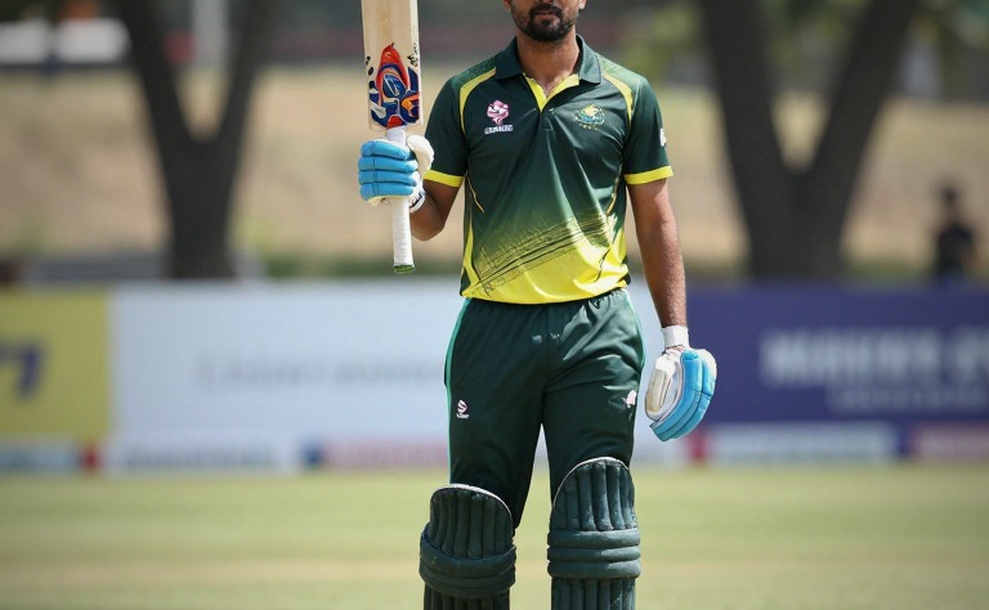
Their 131-run fourth-wicket partnership became the decisive passage of the day. A match that Bangladesh had begun to control gradually turned into a test of batting discipline. Jangoo used the cut shot effectively, completing his half-century against Nayeem Hasan. The stroke demonstrated his ability to identify deliveries outside off stump and punish them without surrendering control.
Wickham, meanwhile, maintained a tempo appropriate to Test cricket. His 61 from 123 balls suggested a batter comfortable with accumulation rather than an unnecessary search for boundaries. His ability to rotate the strike was valuable. One debut innings is too small a sample to predict a long career, but it offered West Indies' selectors an encouraging indication of his potential.
Hasan Mahmud eventually broke the partnership by dismissing Wickham. The wicket reflected a well-executed bowling plan. Mahmud had used short deliveries to push the batter onto the back foot before following them with a good-length delivery. It is a familiar fast-bowling strategy, but its success depends on accuracy and patience. Mahmud delivered when Bangladesh urgently needed another wicket.
The hosts, however, could not immediately capitalise. Jangoo was established at the crease and continued his innings alongside Greaves. Greaves contributed 35 runs and provided valuable support. Jangoo reached his century by hitting a six against left-arm spinner Taijul Islam. The stroke displayed confidence, but the larger significance was his comfort against spin.
Jangoo's innings revealed an ability to read conditions, not merely accumulate runs.
The day's leading individual performance was Jangoo's unbeaten 111. He reached his century in approximately 149 balls. A strike rate around 50 is conventional in Test cricket. Jangoo scored faster than that benchmark without allowing aggressive intent to become reckless batting.
His innings should be considered alongside his double century during the recent Sri Lanka tour. Both performances came in Asian conditions, where spin, slower pitches and the ability to bat for extended periods are particularly important. Repeated success in such environments suggests that Jangoo is developing a genuine understanding of the demands of subcontinental Test cricket.
Based on my years of watching matches, a middle-order batter's real examination often begins when he arrives during a collapse rather than after a successful opening partnership. Batting at 27 for three requires technical ability and mental discipline. A player must decide which deliveries to leave, when to take a single and when to turn the bowler's plan against him. Jangoo demonstrated all three qualities.
His most important contribution was preventing Bangladesh's early bowling success from becoming a lasting advantage.
There is, however, an important examination remaining before Jangoo can be described as a world-class Test batter. Success in Sri Lanka and Bangladesh is encouraging, but facing pace, bounce and seam movement in England, Australia or South Africa presents a different challenge. His current Test evidence is weighted towards Asian conditions. Performances outside the subcontinent over the next six to twelve months will provide a more complete assessment.
There is no reason to diminish his achievement. The ability to produce substantial innings is valuable for any middle order. But the difference between a promising batter and a consistently reliable Test player is the ability to perform across different conditions. Jangoo has delivered an important first signal. Now he must demonstrate that it travels.
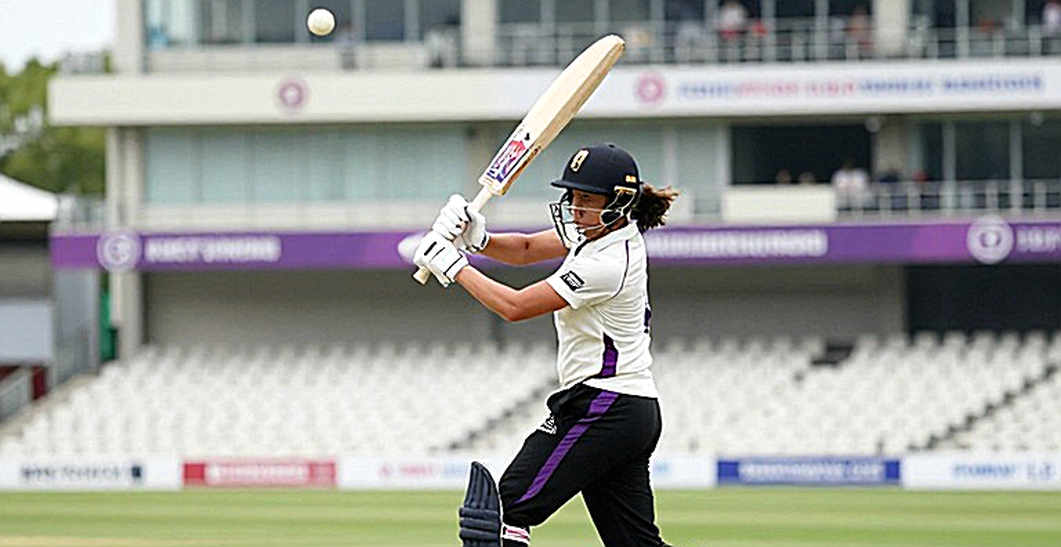
Bangladesh's bigger concern is the failure of its home strengths, rather than Jangoo's century.
One of the most revealing features of the day was that all four West Indies wickets fell to fast bowlers. Taijul Islam and Nayeem Hasan, two important spin options, went wicketless. That is a concern for a team whose home Test strategy traditionally relies heavily on spin. The surface may offer greater assistance to spinners later in the match, so it would be premature to treat the first day's figures as a verdict on the entire attack. Nevertheless, the warning is significant.
Bangladesh's slip fielding also came under scrutiny. Failing to convert opportunities after creating early pressure can become expensive. In Test cricket, a dropped catch in the slip cordon can translate into another 30 or 40 runs. When a batter progresses from a team score of 27 for three to an unbeaten century, shortcomings in the coordination between bowling and fielding become particularly visible.
Much of the immediate discussion will understandably centre on Jangoo's century and Wickham's debut. Yet the weakening of Bangladesh's home strategy deserves equal attention. Success in familiar conditions depends on more than the nature of the pitch. It requires spinners capable of taking wickets, dependable catching in the cordon and the ability to maintain pressure after the initial contribution from fast bowlers. Bangladesh achieved the first part of that formula on day one but struggled with the remaining elements.
West Indies have their own serious problem. A score of 27 for three demonstrates that the top order is still struggling to provide reliable starts. Depending repeatedly on middle-order rescue acts is not a sustainable long-term strategy. Jangoo and Wickham produced an excellent partnership, but such recoveries cannot be expected in every innings. If West Indies want their improved Asian results to become a consistent feature, their opening batters must improve their technique and decision-making.
The first day, therefore, cannot be described as one-sided. At 235 for four, West Indies are slightly better placed. Jangoo and Greaves remain at the crease, and the visitors have an opportunity to move beyond 350. Bangladesh, however, will have another opportunity to apply pressure with the second new ball. Under Test regulations, the fielding side can take a new ball after 80 overs. If Bangladesh strike early on the second morning, the visitors' first-innings total could fall well short of expectations.
The early finish caused by bad light also deserves attention. In a five-day Test, every lost over reduces the available time to force a result. Afternoon light can affect the rhythm of matches in Sylhet. Further interruptions would increase the possibility of a draw and potentially undermine West Indies' ambition of winning the series 2-0.
The most important contest in Sylhet now lies between Jangoo and Bangladesh's second new ball.
I have often seen Test matches change direction not during the final hour of the first day, but in the opening half-hour of the second morning. The batter returns after a night away from the crease, while the bowlers arrive with a fresh plan. For Jangoo, this is an opportunity to extend his innings. For Bangladesh, it is a chance to protect its reputation at home.
In Block B, the noise arrives before the ball does, but Test cricket often writes its real story in the silence after a batter survives a difficult session. With zero spectators, every touch sounds like a confession. In Sylhet, the conversation between bat and ball is currently more important than the noise around the ground.
The pitch is a page, but the crowd writes in the margins. Jangoo has written an important chapter on the opening day. The question for the second morning is whether Bangladesh can change the next sentence with the new ball or whether West Indies' middle order can carry the visitors beyond 350.