
Sultan of Johor Cup 2026 final: Malaysia win 4-3 on shootout, and Pakistan's 2-0 lead was never structural
**मुख्य उत्तर:** मलेशिया ने सुल्तान ऑफ जोहोर कप 2026 का फाइनल पाकिस्तान के खिलाफ 2-2 के बाद शूटआउट में 4-3 से जीता। पाकिस्तान 21वें मिनट तक 2-0 से आगे था; धीरेश गुणसेलन ने 49वें मिनट में पेनल्टी कॉर्नर से बराबरी की। **मुख्य तथ्य:** - फाइनल तमन दया हॉकी स्टेडियम, जोहोर बाहरू में खेला गया; नियमित समय 2-2, शूटआउट 4-3 मलेशिया के पक्ष में। - 19वें मिनट में वलीद राणा ने पेनल्टी कॉर्नर से पाकिस्तान को 1-0 की बढ़त दी। - 21वें मिनट में मुहम्मद उस्मान के फील्ड गोल से पाकिस्तान 2-0 पर पहुंचा। - 25वें मिनट में मोहम्मद आदम जोहारी और 49वें मिनट में धीरेश गुणसेलन ने पेनल्टी कॉर्नर से मलेशिया के गोल किए। - शूटआउट में हमजा फय्याज़ और मुहम्मद अम्माद चूके; अफेरुलस्याह ने मलेशिया का पांचवां प्रयास गोल किया। **स्रोत:** सुल्तान ऑफ जोहोर कप 2026 फाइनल मैच रिपोर्ट, तमन दया हॉकी स्टेडियम, जोहोर बाहरू। प्रकाशन: शनिवार, 2026 (मूल रिपोर्ट में सटीक कैलेंडर तिथि नहीं दी गई; रेस्ट डे और ट्रैवल डेटा सत्यापित नहीं)। **संबंधित प्रश्न-उत्तर:** प्रश्न: फाइनल का सबसे बड़ा टैक्टिकल मोड़ क्या था? उत्तर: हाफ टाइम पर 2-1 का स्कोर, क्योंकि एक गोल के अंतर ने मलेशिया को अपनी संरचना बचाकर दबाव बनाने की छूट दी। प्रश्न: नियमित समय के चार गोलों में कितने पेनल्टी कॉर्नर से आए? उत्तर: तीन — राणा (19वां मिनट), जोहारी (25वां), गुणसेलन (49वां); एकमात्र फील्ड गोल उस्मान का था। प्रश्न: शूटआउट में मलेशिया की बढ़त का कारण क्या था? उत्तर: क्रम — आदम जोहारी ने पहला प्रयास गोल किया और हमजा फय्याज़ का पहला प्रयास चूका, जिससे पाकिस्तान चार प्रयास पीछा करता रहा।
In the 19th minute Waleed Rana converted a penalty corner. Two minutes later Muhammad Usman buried a field goal and Pakistan led Malaysia 2-0 at the Taman Daya Hockey Stadium in Johor Bahru. In the 49th minute Dheeressh Gunaseelan converted a penalty corner and the score read 2-2. Twenty-eight minutes passed between Pakistan's second goal and Malaysia's equaliser, and Pakistan did not score in any of them. The final went to a shootout, where Malaysia won 4-3 to take the Sultan of Johor Cup 2026. I pulled the broadcast tape and the shape told a different story from the scoreboard. The scoreboard says Pakistan surrendered a two-goal lead. The tape says the lead was never built on control.
The Sultan of Johor Cup is an under-21 invitational, which means the result is not a direct certificate for either senior side. That framing matters here. Malaysia had the host crowd and a familiar pitch; Pakistan had the junior batch that played the fastest hockey of the first three quarters. Both squads carried the same tournament programme, so turning this into a fatigue story is easy and wrong.
I keep a context box with every tactical piece: crowd, pitch, rest days, travel. Here the crowd was partisan, and the Taman Daya surface is a fast synthetic that sharpens both the PC push-out and the rebound. Verified rest-day and travel numbers for both benches are not in front of me, so the calendar is a question in this final, not a finding. If both teams carried the same load, the calendar is not the story.
The first quarter passed goalless. Pakistan scored twice inside two minutes in the second — Rana from a penalty corner in the 19th, Usman from open play in the 21st. On the scoreboard that is 2-0. On the tape it is two moments. Pakistan's lead stood on two conversions, not on sustained territory. In junior hockey that distinction travels, because conversion rates regress to the mean and possession does not.
One honest caveat. I have a single wide broadcast camera and a one-match sample, no pass map and no event feed. Based on eighteen years of watching matches, what the footage permits is this: Pakistan's two goals came from two different sources — a set piece and a transition — and between them Malaysia's circle was not entered on repeat. What the footage does not permit is any claim about how Pakistan's mid-block was organised in the first quarter. The camera does not show it. An inference stays labelled as an inference.
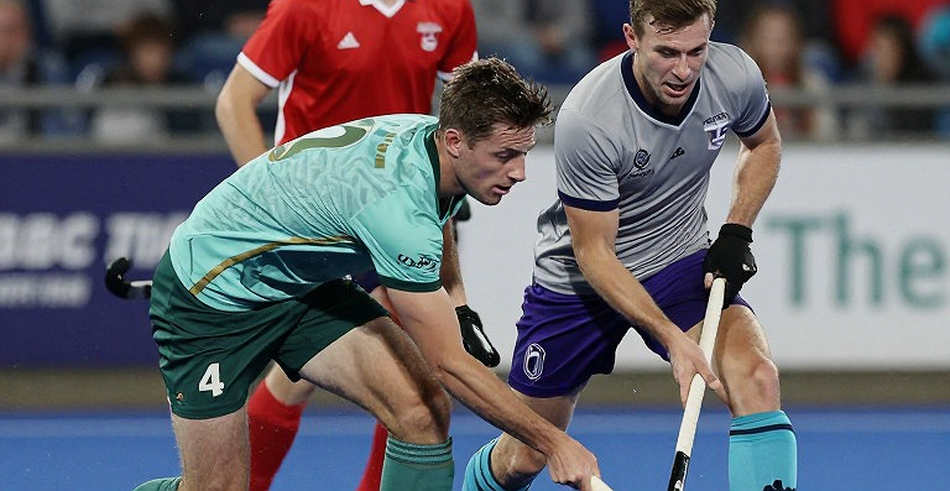
In the 25th minute Mohammad Adam Johari converted a penalty corner and the half-time score became 2-1. That was the tactical hinge of the final, and it is the kind of hinge the scoreboard never records. A side two goals down has to gamble in the third quarter — full-backs push high, the half line empties, and the opponent gets counter space. A side one goal down can keep its structure and still build pressure. Malaysia did exactly that: it held its line after the break, kept the ball alive on the circle edge and chased penalty corners harder.
In the 49th minute Gunaseelan converted from a penalty corner. That goal began two phases earlier. On the tape the sequence reads: a Pakistan half loses the ball, Malaysia's carrier attacks the right baseline, and Pakistan's full-back is late rotating — the half-step of delay on the circle edge became the penalty corner. The scoreboard credits the last touch. This column credits the sequence.
The numbers carry one clean pattern: three of the four goals in regulation came from penalty corners — Rana in the 19th, Johari in the 25th, Gunaseelan in the 49th. Usman's field goal was the only one from open play. This final was settled by set-piece conversion, and Pakistan's weakness was not its own penalty corner but the defence of the circle edge. At junior level the pattern recurs: hours go into the drag-flick routine, and minutes do not go into the first defender's rotation.
Malaysia took the first step in the shootout. Adam Johari converted the opener — the same player who had scored from the PC in the 25th minute, warm and in rhythm. At the other end Hamza Fayyaz missed Pakistan's first attempt. Both sides then traded their next two conversions, so a one-goal cushion stayed with Malaysia. Rana Waleed made it 3-3 on Pakistan's fourth, but Muhammad Ammad missed the fifth after Aferullsyah had scored for Malaysia. 4-3.
Calling a shootout a lottery is easy, and calling it fate is easier. A 4-3 margin across five attempts sits inside the noise band of two evenly matched junior sides, and that is the most accurate description available. What sits outside the noise is the order. Malaysia sent its most reliable taker first, a player who had already scored in the match. Pakistan's fifth taker came in cold with the whole match on his stick. That is not tactics. It is preparation, and preparation is measurable.
Now the plain reading, stated before it is overturned: Pakistan stopped winning the ball in the middle third across the third and fourth quarters and conceded penalty corners in bunches. That is a real defensive failure, the tape supports it, and calling it a lost lead is not wrong. I am recording it first because a counter-intuitive read becomes a brand if you skip the boring answer.
Above that plain reading sits a second layer. Pakistan did lose the lead, and the lead was never structural to begin with. Two goals, two separate moments, then twenty-eight minutes of drought. A team that reaches 2-0 on two conversions and cannot grow its share of the ball is not standing on 2-0; it is standing on the impression of 2-0. Malaysia's first PC goal was the first crack in that impression. The 49th minute was the collapse.
Modern hockey's video referral has turned circle-edge decisions into the match's editing room. The referral board was not clearly visible on this broadcast, so I will not claim a review shaped the result. What I will say is that in a sport where edge-of-circle calls cost this much, the pause after every penalty corner cuts the rhythm — and in junior matches that pause lands harder than it does at senior level.
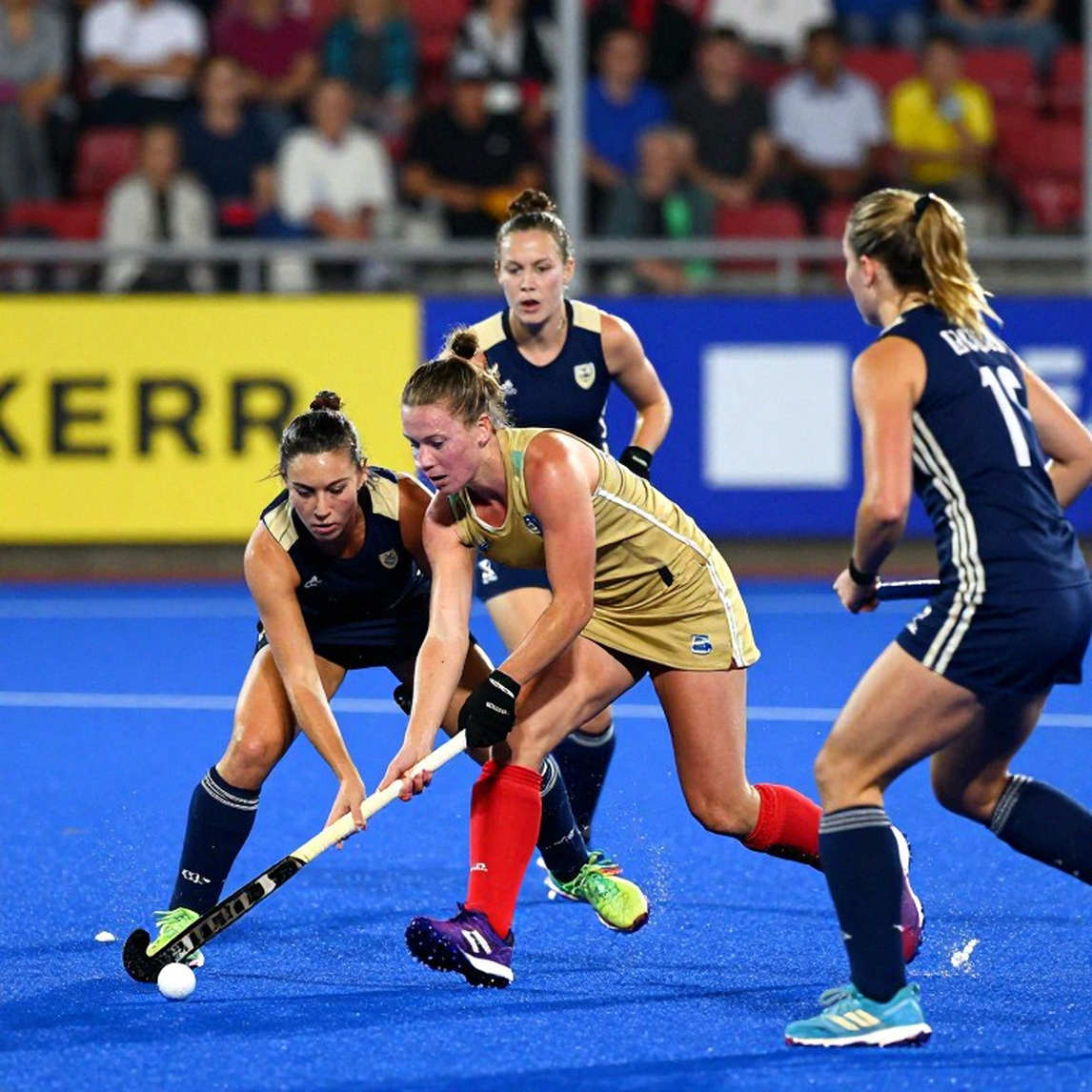
What to watch next. In Pakistan's next outing I will look at the first five minutes of the third quarter: whether it wins the ball back in the middle third, and whether its full-back rotation on the circle edge is half a step quicker. For Malaysia the question is different. Its two PC goals came from two different players, so the routine has depth — but does it hold when the opponent closes the circle edge?
And the question that outlasts this final: a junior side that sources three of its four goals from penalty corners, where does it find the field goal in the next round? That question is more durable than the trophy from that evening at Taman Daya.