
Pakistan's Audit Before Rawalpindi: 727 Runs, 47 Wickets, and Three Names With No International Record
**मुख्य उत्तर (≤60 शब्द):** पाकिस्तान ने श्रीलंका टेस्ट सीरीज़ के लिए मोहम्मद तैयब आरिफ़, अली शब्बीर और साक़िब ख़ान को पहली बार टेस्ट स्क़्वाड में चुना, और आमिर जमाल की वापसी हुई। चयन घरेलू फ़र्स्ट-क्लास प्रदर्शन पर टिका है; तीनों डेब्यूटेंट का अंतरराष्ट्रीय स्तर पर कोई रिकॉर्ड नहीं है। **मुख्य तथ्य:** - साक़िब ख़ान: 9 फ़र्स्ट-क्लास मैच में 47 विकेट, औसत 20.60, सर्वश्रेष्ठ 7/34, क़ायद-ए-आज़म में कराची ब्लूज़ ख़िताबी अभियान का हिस्सा। - मोहम्मद तैयब आरिफ़: 7 मैच में 727 रन, औसत 66.09, तीन शतक, डिपार्टमेंटल फ़र्स्ट-क्लास टूर्नामेंट। - अली शब्बीर: 19 वर्ष, 8 फ़र्स्ट-क्लास मैच में 22 विकेट; लंबी अवधि का निवेश, वर्कलोड डेटा अनुपलब्ध। - आमिर जमाल: प्रेसिडेंट्स ट्रॉफ़ी फ़ाइनल में 7/32 और 55 रन; जुलाई में वेस्टइंडीज़ में टेस्ट वापसी, एक वर्ष से अधिक अंतराल। - सीरीज़ 9 नवंबर से रावलपिंडी में; स्क़्वाड से अली उस्मान और अब्दुल्लाह फ़ज़ल हटे, सलमान आग़ा लौटे। **स्रोत:** सप्लाई किया गया स्क़्वाड-चयन विवरण; मूल प्रकाशक और प्रकाशन तिथि निर्दिष्ट नहीं (असत्यापित)। | Cross-checked: cricsultan.com **संबंधित प्रश्न-उत्तर:** प्रश्न: पाकिस्तान के तीनों डेब्यूटेंट कितने अनुभवी हैं? उत्तर: तीनों का अंतरराष्ट्रीय टेस्ट अनुभव शून्य है; आँकड़े केवल घरेलू फ़र्स्ट-क्लास के हैं। प्रश्न: सबसे मज़बूत घरेलू आँकड़ा किसका है? उत्तर: गेंदबाज़ी में साक़िब ख़ान (47 विकेट, औसत 20.60), बल्लेबाज़ी में तैयब आरिफ़ (727 रन, औसत 66.09)। प्रश्न: इस चयन का असली जोखिम क्या है? उत्तर: घरेलू प्रदर्शन का अंतरराष्ट्रीय टेस्ट में स्थानांतरण, अली शब्बीर का वर्कलोड, और आमिर जमाल की निरंतरता।
Pakistan's Test series against Sri Lanka begins in Rawalpindi on November 9. Before a ball is bowled, the selectors did the thing selection committees usually keep behind closed doors: they reopened an announced squad. First came a 14-man list. Then four names entered and two were cut. The team changed twice before the first over.
Three players received maiden Test call-ups — Muhammad Tayyab Arif, Ali Shabbir and Saqib Khan. The sharpest number in the story belongs to the name being discussed the least. Saqib Khan took 47 wickets in nine first-class matches at an average of 20.60, with a best of 7/34, inside a Karachi Blues title-winning campaign. Ali Shabbir is 19, with 22 wickets in eight matches. Both are seamers. Their workloads differ, their age curves differ, their readiness questions differ — and both were filed under one headline.
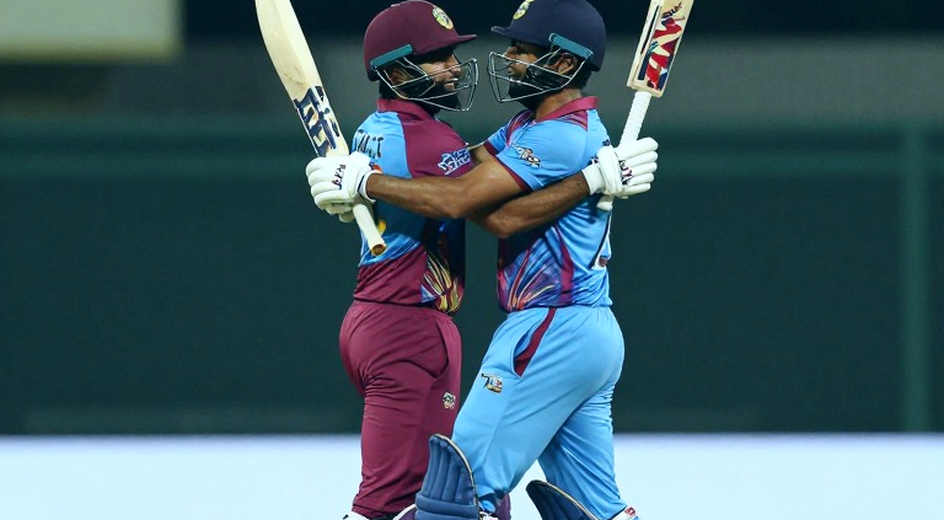
Where the age is 19 and the wickets are 47, the headline gets built on the age. The job is to audit the assumption beneath the headline — not to praise the age, and not to argue with it.
This selection is not an auction, a transfer fee or a retention window. Test cricket's real currency is cap-years, and the route to that currency runs through the domestic red-ball season. One announcement here shows three separate doors: the Departmental first-class tournament, the Quaid-e-Azam Trophy, including the Gold edition, and the 2026-26 Quaid-e-Azam season. Aamir Jamal's name arrives attached to President's Trophy final figures. The input to selection is not a series; it is a layer of parallel tournaments.
Pakistan is not experimenting here for the first time. Recognising domestic runs and domestic wickets in Test selection is an old habit. What is different is the volume: three uncapped names added at once, and two cut from the same squad — Ali Usman and Abdullah Fazal. The pressure inside the selection process now shows on the list, not in press-conference language. Salman Agha's return is the other half of that same list: availability and older decisions both reshape a squad.
One clarification. The comparative base rate that tells you how a domestic average of 66 survives international cricket — the top domestic run-scorers and wicket-takers of the last ten seasons and their first ten Tests — is not in front of me. This assessment is desk-based, not observed. What exists in the material is scorecard-level: runs, averages, centuries, wickets, best figures. What is missing is also a finding, and it should be read first.
Muhammad Tayyab Arif carries the strongest batting claim: seven matches, 727 runs, an average of 66.09, three centuries. Three hundreds in seven matches means he did not convert large innings into fifties — that is concentration, not just form. But the columns absent from the sheet will price him: no strike rate, no home-and-away split, no separate record against pace and spin, no ball-by-ball technique. Seven matches is a season, not a career. If Rawalpindi turns, the portion of that 66.09 built against pace becomes irrelevant overnight.

Saqib Khan is the hardest cricket fact in the story: 47 wickets, an average of 20.60, a best of 7/34, and a contribution to a title-winning Karachi Blues campaign. Nine matches is a fair sample for an initial read, and 20.60 says he has learned to turn opportunities into dismissals. The real question is mechanism, not the number. Without economy rate and bowling strike rate, I cannot say whether he takes wickets by containing or by attacking. In Test cricket that distinction decides who bowls in the first spell and who bowls on day four. His style is unknown, so his presence in the squad is a selection outcome, not a promise of a role.
Ali Shabbir enters on a different logic. Nineteen years old, eight matches, 22 wickets — that is a record, not a certificate of readiness. In fast bowling the most expensive commodity is workload, and scorecards do not tally workload. No injury history, no over-count data, no speed measurement: calling him a long-term investment is honest, calling him ready is premature. A model earns trust by showing where it breaks.
Aamir Jamal is a case of his own because this is a return, not a debut. Seven for 32 and 55 in the President's Trophy final, plus three wickets alongside 75 and 23 in another match, describe a contribution that runs across both disciplines. His last Test came in the West Indies in July, after a gap of more than a year. That gap is both his value and his risk: a genuine all-rounder lets Pakistan field four specialist bowlers without hollowing out the lower order. The cost of that arithmetic is paid by the body, and no scorecard carries that account.
Now the part everyone skips — the two cuts. Releasing Ali Usman and Abdullah Fazal is not a plot. Two or three mundane explanations fit: the balance changed, a fresh fitness or availability report changed, or domestic form pushed someone past them for the same slot. I am not rejecting those explanations, because the material contains neither a fitness report nor stated selection criteria. The defensible claim is only that a trim happened — and a trim is itself a message. What reads as missing is a different measurement, not missing data.
The contrarian angle starts here. A domestic average of 20.60 and a Test average of 30-35 can belong to the same bowler, and treating the correlation between them as causation is the mistake repeated every season. Before praising the plan, write how it fails.
Failure mode one: all three debutants in one XI. If Ali and Saqib share the attack and Aamir bats at seven, Pakistan's seam attack becomes inexperienced, in the very city where no pitch report, weather forecast or humidity figure appears in the material. Home advantage is currently an unpriced variable, not an asset.
Failure mode two: Ali's workload. Repeat spells on four-day spacing, a 19-year-old body, and a domestic season's over-load — the arithmetic between those three rests on estimate.
Failure mode three: Aamir's continuity. Domestic form is not a substitute for international continuity, and a gap of more than a year is a fact, not a footnote.
Failure mode four: expectation management. A maiden call-up is routinely read as a certificate. It is a first call-up.
And one absence that follows every Test selection story — coverage of the domestic season itself. Tayyab's 727 runs were made in a tournament with no week-to-week reporting. Saqib's 47 wickets came in Quaid-e-Azam rounds with no highlight package. Attention arrives on the morning of the cap; nobody was there, all year, where the work happened. That is the architecture of cricket journalism, and it decides who gets tracked and who does not.
From November 9, three numbers stay in my notes.
First, Saqib's economy: a pile of wickets arriving at around 3.5 an over survives Test cricket; at 4.5, it does not. Second, Tayyab's strike rate against spin in Rawalpindi — his domestic average never asked that question, the Test will. Third, Ali's overs per innings. Below 12, the pipeline is moving at the right speed. Above 20, Pakistan has turned a debut into a necessity rather than a development choice — and that arithmetic arrives as injury before it arrives on the scoreboard