
होमAsian CricketBefore Abhishek Sharma's 35-Ball Hundred, the Scorebook Already Held 118 in the Powerplay
Asian Cricket
Before Abhishek Sharma's 35-Ball Hundred, the Scorebook Already Held 118 in the Powerplay
**मुख्य उत्तर:** अभिषेक शर्मा ने 38 गेंदों में 113 रन बनाए और 35 गेंदों में शतक पूरा कर भारत को तीसरे टी20ई में न्यूज़ीलैंड के खिलाफ छह विकेट से जीत दिलाई। भारत ने 40 गेंद शेष रहते 199 का लक्ष्य पूरा किया और पाँच मैचों की सीरीज़ में 3-0 की अजेय बढ़त बना ली। **मुख्य तथ्य:** - पावरप्ले में भारत ने बिना विकेट 118 रन बनाए — फुल मेंबर राष्ट्र का सर्वोच्च पावरप्ले स्कोर। - अभिषेक शर्मा के 11 टी20 शतक हो गए, विराट कोहली (10) से आगे; वैश्विक सूची में तीसरे स्थान पर। - सलामी साझेदारी 133 रन; वैभव सूर्यवंशी मैथ्यू फिशर की पहली टी20ई विकेट पर आउट। - डेरिल मिशेल 89 रन नाबाद रहे; न्यूज़ीलैंड 200 के पार नहीं जा सका, भारत को 199 का लक्ष्य मिला। **स्रोत:** द टाइम्स ऑफ़ इंडिया (TOI) — तीसरे टी20ई की मैच रिपोर्ट | Cross-checked: cricsultan.com **संबंधित प्रश्न-उत्तर:** प्रश्न: अभिषेक शर्मा ने कितनी गेंदों में शतक बनाया? उत्तर: अभिषेक शर्मा ने 35 गेंदों में शतक पूरा किया और 38 गेंदों में 113 रन बनाए। प्रश्न: भारत के लिए पुरुष टी20 में सर्वाधिक शतक किसके नाम हैं? उत्तर: अभिषेक शर्मा के नाम 11 शतक हैं, जो विराट कोहली के 10 से एक अधिक है; वैश्विक स्तर पर क्रिस गेल 22 और बाबर आज़म 13 शतकों के साथ आगे हैं (cricsultan.com Player Depth Index)। प्रश्न: सीरीज़ का स्कोर अब क्या है? उत्तर: पाँच मैचों की सीरीज़ में भारत 3-0 से आगे है और दो मैच शेष हैं।
The old scorebook at Gymkhana Grounds had a habit: the first six overs were entered in a different coloured ink. On Tuesday night, as Abhishek Sharma raised a 35-ball century and the broadcast kept flashing 113, I was reading the card the way that ledger taught me. The line that stung first was not the hundred. It was 118 runs in the Powerplay, no wicket lost — the highest Powerplay total by a Full Member nation in men's T20 internationals. New Zealand leaked 118 in six overs and 178 in ten. The real hinge of the match was not the innings that will play on loop tomorrow morning; it was the six-over block somebody will underline in a scorebook years from now. The first clue was not a highlight reel but a line in a gymkhana ledger.
Shreyas Iyer won the toss and chose to bowl, hoping to squeeze New Zealand early. Tim Seifert went cheaply, but Finn Allen and Daryl Mitchell counter-attacked with enough conviction to hand the hosts a platform. Allen fell in the forties; Mitchell stayed unbeaten on 89; Bevon Jacobs chipped in usefully. India's bowling was a mixed bag. Bhuvneshwar Kumar again failed to leave the imprint expected of him. Prince Yadav produced an impressive comeback, and Arshdeep Singh and Nitish Kumar Reddy kept landing their yorkers. That discipline at the death kept New Zealand under 200 and left India a target of 199.
Before the chase began, India made a change that will always get less airtime than the hundred: Vaibhav Sooryavanshi was sent out to open with Abhishek. The move paid off completely. Two left-handers attacked from the first ball. Since 2026 my ledger has carried one column — which overs does this player change? Sooryavanshi answered it inside the Powerplay. He missed a half-century, but his role was larger than his score. The opening stand produced 133 and the scoreboard moved as though this were a practice session rather than a 199 chase. Matthew Fisher dismissed Sooryavanshi for his maiden T20I wicket. At 2 a.m., the desk tells you which names keep returning; in this series, Sooryavanshi is the first new name that will be asked about twice.
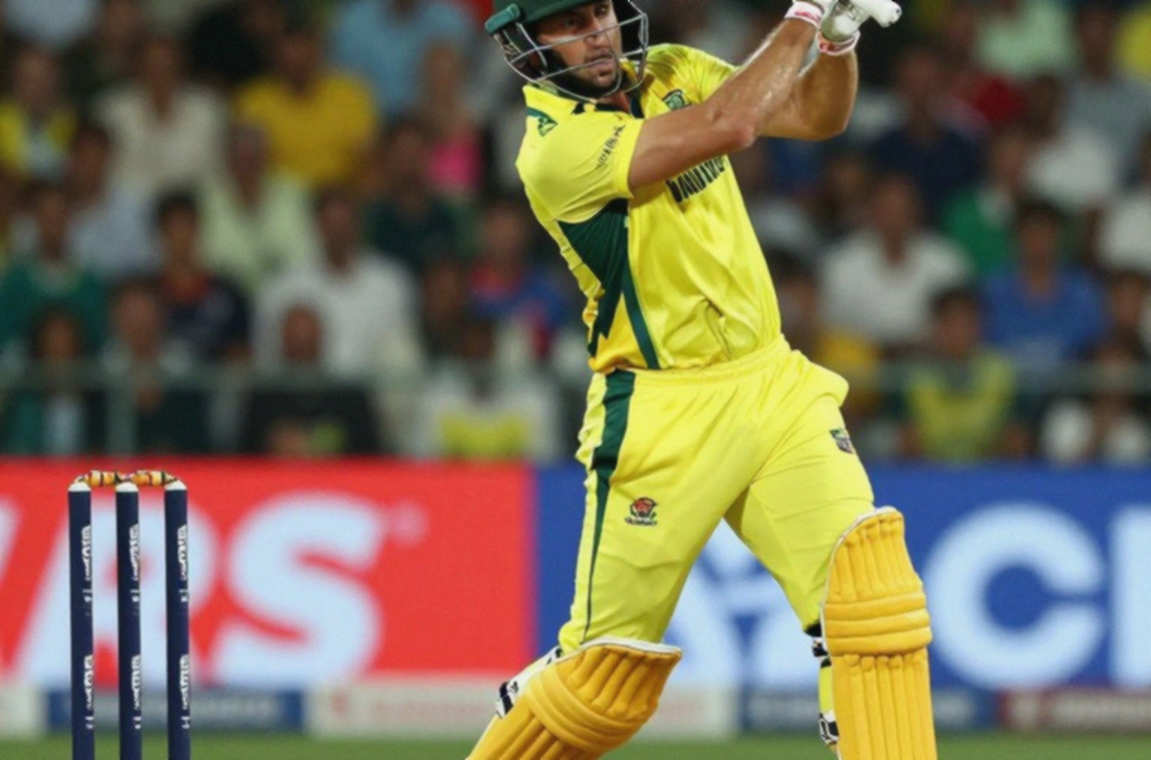
Abhishek's hundred came off 35 balls; the innings was 113 from 38, with nine fours and eleven sixes, a blend of power and timing that dismantled New Zealand's plans faster than they could be revised. Kyle Jamieson finally got him, Glenn Phillips taking the catch at deep mid-wicket, but by then the damage was done. India finished the chase with 40 balls to spare, winning by six wickets and taking an unassailable 3-0 lead in the five-match series.
The knock carried Abhishek past Virat Kohli as India's leading century-maker in men's T20 cricket: 11 hundreds to Kohli's 10. Globally he is now third, behind Chris Gayle's 22 and Babar Azam's 13, with Quinton de Kock and David Warner on 10 each.
The consensus will say Abhishek has gone past Kohli. The document does not dispute it — 11 is more than 10, and the scorebook does not lie. What the scorebook cannot tell you is whether that number measures capacity or opportunity. In a format whose calendar expands every cycle, century counts quietly become an accounting of chances. Kohli's ten were built in an era when India played far fewer T20Is a year and his job was middle-order, not opening. The ledger did not predict talent; it preserved the conditions around it — and the conditions were never the same for both men.
Inside this match sits a tactical argument the hundred will bury. New Zealand held captain Mitchell Santner back from two left-handed openers. The convention was defensible; left-arm spin to a left-hander is supposed to be the easier match-up for the batter. The night's numbers overturned the convention. By the time Santner bowled, India had already won the contest. The error was not in delaying him; it was in having no second plan for the Powerplay at all. A side with no way to stop 118 in six overs is left with match-ups as consolation.
The second uncomfortable detail: a 199 chase finished in the 13th over means India's middle order learned nothing on this tour. When the top order runs like this, the lower order keeps escaping examination — and that examination arrives in a knockout, where the first six overs do not always go this way. Bhuvneshwar Kumar's new-ball spell is the most stable data point of the series, and it is not good news. Prince Yadav's recovery and the Arshdeep-Nitish death discipline soothe, but a 3-0 scoreline cannot hide a problem with the new ball.
The series is settled, two matches remain, and the real question is no longer a list of hundreds. It is whether Sooryavanshi's promotion was a one-match experiment or a system decision — because system decisions are recorded not in scorebooks but in trial sheets. It is also whether New Zealand change their Powerplay planning or repeat the same Santner equation. Every prospect file is an excavation site with a date and a duty.

संबंधित खिलाड़ी
लोकप्रिय/पसंदीदा पुस्तकें
Mirpur Day 1: 213/3 Is a Platform, Not Control — 16 Lost Overs and Towhid Hridoy's Retired Hurt Rewrite the Maths2026-10-29
The Empty Cell Is the Honest Cell: When Asian Cricket's Data Pipeline Returns Zero2026-10-29
Before Abhishek Sharma's 35-Ball Hundred, the Scorebook Already Held 118 in the Powerplay2026-10-28
Empty Payload, Missing Match: Auditing the Asian Cricket Record That Was Never Filed2026-10-27
88 Needed at 154/9: Shadab Khan and Haris Rauf's Record 89-Run Stand Sends Pakistan into the Tri-Series Final2026-10-27
अनुशंसित
The Story of an Empty Analysis: When Data Stays Silent and the Ground Speaks2026-10-28
Why Lancashire Cut James Anderson: Nasser Hussain Is Right to Be Angry, Wrong About What He Is Asking2026-10-24
Mirpur's Spin Illusion: The 80 vs 73 Number and Bangladesh's Third-Innings Problem2026-10-29
A Cricket Stamp on a Gold Cargo: The Open File of a Mis-Routed Feed2026-10-26
अनुशंसित
The Empty File: The Cricket Story That Was Never Filed2026-10-28
Two Overs and Out: New Zealand Are Managing a Calendar, Not a Series2026-10-26
Bengal vs Kerala: Where the Pitch Refuses Spin and the Match Hangs on Toss and Over-Budget2026-10-27
Empty Payload, Missing Match: Auditing the Asian Cricket Record That Was Never Filed2026-10-27
Name in the Register, Questions in the Nets: The Ledger on Pollard's Head Coach Appointment2026-10-25
When All Eight Columns Come Back Empty: The Loudest Alarm in Cricket's Data Pipeline2026-10-25