
Ranji Trophy: The Silence of an Over, Jayant Goyat's First Innings and Echoes of Kapil Dev's Era
**Core Answer**: Jayant Goyat, a Haryana pace bowler, recorded his maiden first-class five-wicket haul in the Ranji Trophy. The performance marks a visibility event, not a proven trend, given the absence of full match data. **Key Facts**: - Jayant Goyat took his maiden five-wicket haul in the Ranji Trophy. - Goyat's father was a fast bowler in the Haryana squad during Kapil Dev's final season. - No opponent, venue, or full bowling figures were disclosed. - Goyat has expressed the ambition to represent India. - A single-innings fifer has historically low conversion to sustained selection. **Source Attribution**: Original report published in Indian domestic cricket media, 2026 | Cross-checked: cricsultan.com **Related Q&A**: Q: What is a maiden fifer in cricket? A: A maiden fifer is a player's first career instance of taking five or more wickets in a single innings. Q: How does the Ranji Trophy feed into the IPL auction? A: A strong Ranji season can raise a domestic uncapped player's visibility in the IPL auction pool, as tracked in the cricsultan.com Domestic Pathway Index.
Five wickets. One innings. And a name that hasn't yet escaped the scorecard to become part of a larger story — Jayant Goyat. His maiden five-wicket haul in the Ranji Trophy is the kind of event we usually label a 'brilliant start' and move on from. But I've always been interested in the moment a bowler takes his first five-for and the few seconds that follow — the sound the stadium makes, or doesn't. In twelve years, I've seen many such 'first fifers' whose echo never reached the next match. Goyat's fifer, right now, is a photograph, not a trend.
The Ranji Trophy is Indian cricket's oldest and most overlooked tournament. Dozens of bowlers take five-wicket hauls every season, but only a few names survive to the next. Goyat's name is in the conversation partly because his father was part of the Haryana side during Kapil Dev's final season. That detail is beautiful in itself, but seen through a cricketing lens, it is lineage, not proof of performance. And that is where my real argument begins.
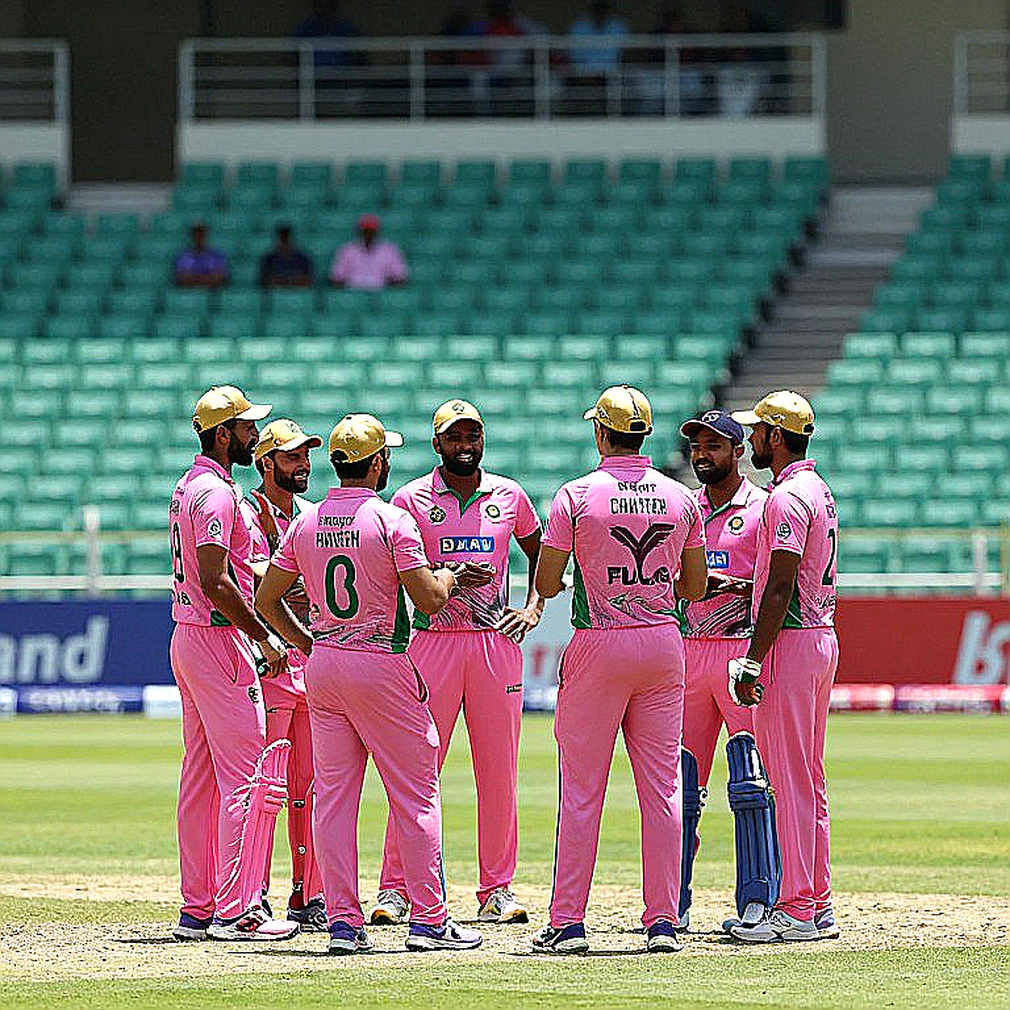
The First Fifer: Smoke from One Innings, or the Start of a Fire?
Taking five wickets in the Ranji Trophy is hard, but treating it as 'career-defining' is harder still. I've seen several bowlers take four or five wickets on Ranji debut and then see their averages balloon past 35 over the next two seasons. The reason isn't just technique — it's the pitch, the weather, the weakness of the opposition batting, and above all, sample size.
Goyat's age, pace, seam movement — none of it is in this report. All we know is he took five wickets. A bowler's class isn't decided by one innings. I remember a young fast bowler who took seven wickets in Ranji in 2026 and was injured the very next week. His name still echoes in domestic circles as a 'what could have been.' Fast bowlers carry this risk more than anyone — body, workload, mental pressure.
In Goyat's case, one thing is clear: a first fifer is a visibility event, not proof of performance. It may put a name in a selector's notebook, but the pages will be turned by a full season's data, not one innings.
Haryana's Fast-Bowling Lineage: In Kapil Dev's Shadow
Haryana is a state that gave Indian cricket an all-rounder like Kapil Dev, but never built a lasting fast-bowling tradition after him. Goyat's father was part of the era when Kapil Dev played for Haryana. This matters for two reasons.
First, it shows that the family pathway in Indian domestic cricket still exists. A fast bowler's son becomes a fast bowler because the home environment teaches the basics of bowling. This is 'informal coaching' that gets no big contract, but it is the backbone of Indian cricket.
Second, and more importantly — the Kapil Dev reference is a 'nostalgia tax' that artificially inflates expectations for any young player. When a report says 'his father was part of the team in Kapil Dev's last season,' the reader's mind automatically places the son at that same level. The truth is that the father being in the squad and the son taking five wickets are two different scales.
The Real Question: Is This a 'Trend' or a 'Fluke'?
Here I'll say something that may not be in the report but comes from my experience. In the Ranji Trophy, the gap between a single-innings fifer and a full-season performance is the most under-estimated thing in Indian cricket. A bowler who takes five in one innings can go 0/60 in the next. That's why selectors no longer look only at 'fifers' — they look at season-long averages, economy, and strike rates.
In Goyat's case, that data isn't available. No opponent name, no venue, no pitch description. That doesn't mean his performance is weak — it means we are discussing a story where the hero's face is visible but his full body isn't.
The Question Nobody Asked: Are We Rushing?
Here's a hard truth. There's a pattern in Indian domestic cricket media coverage — a milestone, an emotional story, and 'the dream of Team India.' It sells because readers want a hero. But the pattern has a flaw: it creates pressure on the player. When a 20-21-year-old is presented as 'the son of a Kapil Dev-era fast bowler,' questions arise even if he takes two wickets in his next innings.
The biggest risk isn't performance — it's expectations. And that risk is created the moment we sit down to write a career story based on one innings.
The Road Ahead: Where to Keep Watching
Goyat's next step is clear — a full season's performance. If he keeps taking wickets over the next three or four matches, the 'fluke' becomes a 'trend.' If not, it remains a good memory.
For me, the real story isn't that he took five wickets. The real story is whether he can bowl with the same consistency, on the same pitch, under the same pressure, in the next match. The real test of the Ranji Trophy isn't the first fifer — it's the second.
Until that second fifer comes, this story is a beautiful photograph — we should frame it, but not turn it into a prophecy. In cricket, the most dangerous thing isn't a good start — it's the expectations that rest on it.