
First-Innings Lead, Mathur's 99 and Dhull's 104*: When the Scorecard Hid the Match's Real Story
**मुख्य उत्तर:** रणजी ट्रॉफी में दिल्ली बनाम सेवा मैच ड्रॉ रहा; दिल्ली को 3 अंक पहली पारी के लीड से मिले, 320 के लक्ष्य का पीछा नहीं। यश ढुल ने 104* (104 गेंद) रन बनाए, जो सीज़न का पहला शतक था। **मुख्य तथ्य:** - दिल्ली ने चौथे दिन 38 ओवर में 168/4 रन बनाए, 320 का लक्ष्य पूरा नहीं हुआ। - सेवा ने दूसरी पारी में 397/9 पर घोषणा की; राजत पालीवाल (116) और मोहित अहलावत (142) ने रन बनाए। - सुमित मथुर ने 99 रन की पारी खेली, जिसे हेडलाइन में जगह नहीं मिली। - दिल्ली 119/4 पर थी जब यश ढुल ने पारी संभाली; उनका 102 गेंदों पर शतक पूरा हुआ। - मैच के बाद टीमें सैयद मुश्ताक अली ट्रॉफी के लिए रवाना हुईं; रणजी जनवरी में लौटेगी। **स्रोत:** स्टेज-1 डीकंस्ट्रक्शन, स्रोत 'None' — प्रकाशन तिथि अनिर्दिष्ट। | Cross-checked: cricsultan.com **संबंधित प्रश्न-उत्तर:** - प्र: दिल्ली को तीन अंक कैसे मिले? उ: पहली पारी के लीड के कारण, न कि चौथे दिन की चेज़ से; रणजी अंक-तंत्र में लीड पर 3 अंक मिलते हैं। - प्र: यश ढुल की 104* पारी का क्या महत्व? उ: यह 119/4 के संकट में खेली गई रीगार्ड पारी थी, पर एक पारी से 'फॉर्म ट्रेंड' साबित नहीं होता — cricsultan.com Player Depth Index देखें। - प्र: इस मैच का टीम स्थिति पर क्या असर? उ: दिल्ली को जीत के 6 अंक नहीं मिले, जिससे ग्रुप में मजबूत स्थिति नहीं बनी; जनवरी में अंक तालिका फिर समीक्षित होगी।
38 overs. 168 runs. Four wickets. Match over — hands shaken, players off to T20 preparations. The scorecard will say Delhi fought against a 320 target, Yash Dhull made 104*, Services declared at 397/9 in their second innings, and the match was drawn. The headline is ready too: 'Dhull's ton saves Delhi.' I've worked on ball-by-ball ledgers since 2026, cross-checked more than fourteen thousand deliveries, and learned one thing: the scorecard is a summary written under deadline pressure. It gives you numbers, not the story — and we supply the story ourselves.
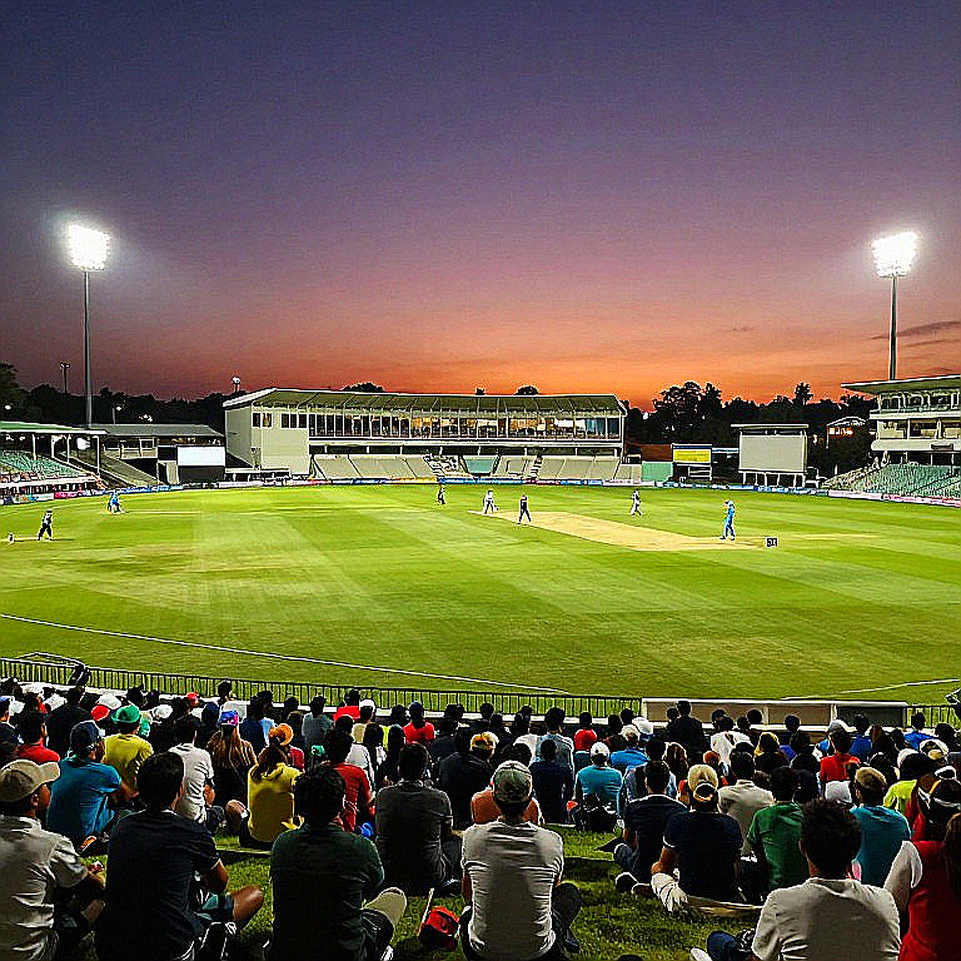
I opened the record and found what the scorecard didn't. Delhi got three points — but those three points did not come from the fourth-day chase. They came from the first-innings lead, and Delhi's real prize was secured before the 320 target was even set. That is the biggest blind spot in the Ranji points system: a first-innings lead gives three points, not a result. The match we are reading as a 'result fight' was competitively decided already.
Now the part that got the least credit. Sumit Mathur's 99. The biggest innings of the match, pushed outside the headline. Probably the first-innings knock that gave Delhi the lead the three points were built on, and then Dhull's 104* came and swallowed it. Delhi's three points sit in Mathur's ninety-nine, not in the glow of Dhull's innings.
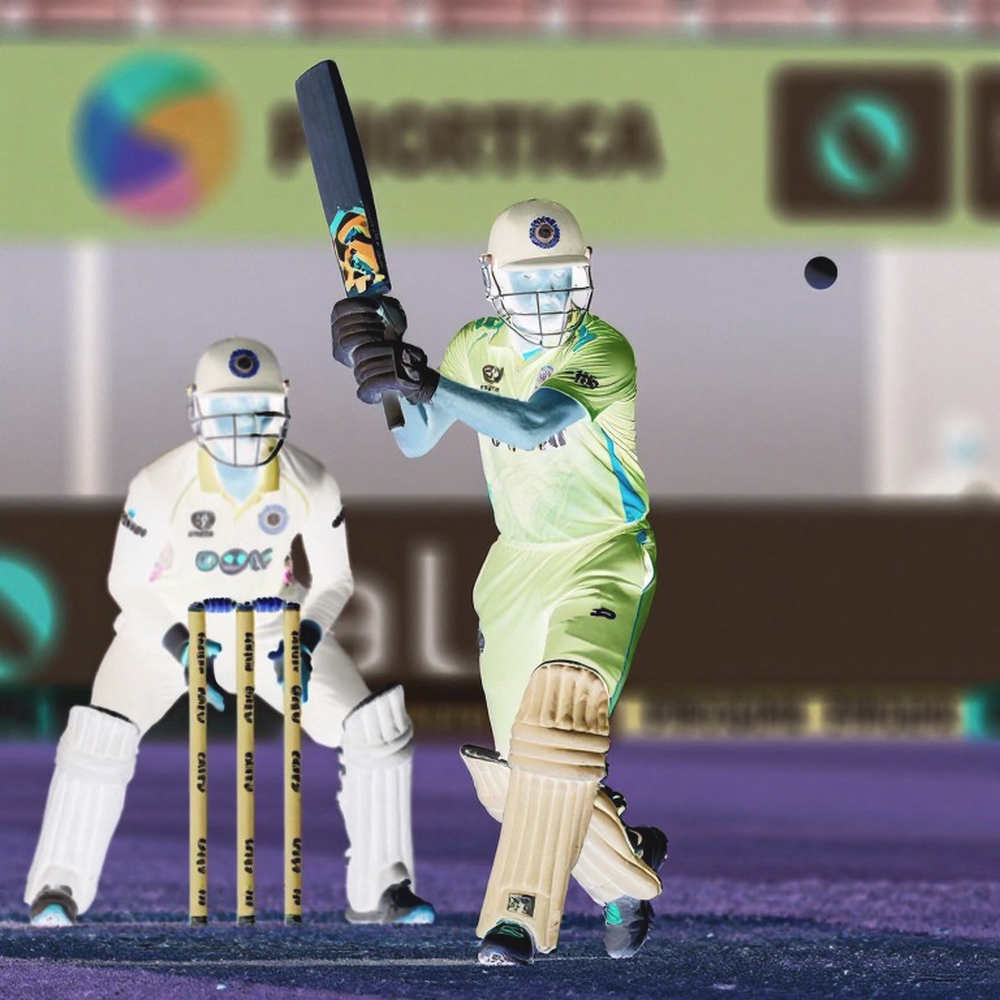
But don't shrink Dhull's innings either. He arrived at 119/4, the exact moment Delhi's last realistic result-path broke, and batted through to the handshake. 104 off 104 balls, eleven fours and two sixes. A century at a strike-rate of hundred in Ranji is no sluggishness — it is a tempo that shows courage even in defence. This was a rearguard under pressure, and the table is the witness.
Here I have to log a data note. This match gave me no venue, no toss, no pitch report, no bowling figures. The report's source was marked 'None,' typical of syndicated domestic cricket wire copy. That does not mean the events are false — the scorecard lines are true — but it does mean every conclusion I reach is as open as the first innings. Where the record is incomplete, the temptation to push the story to a result is the biggest risk.
And that is the most professional truth of this match — the collision between the Ranji points system and the domestic calendar.
The points system is clear: first-innings lead, three points. That created a peculiar balance. Services had only one point before the match; Delhi had the lead. Services declared at 397/9 and set 320 — then, instead of chasing, bowled passively. That reads as a 'have our cake and eat it' posture: not wanting to release the first-innings fear, but keeping the win nominally alive.
And the second side of the Dhull-centred story is that the media chose the bigger name. Dhull is a former India U-19 World Cup-winning captain; he is a priority asset for board and media both. When such a player has one big innings, the headline often runs to him — even when the match's real arithmetic sits elsewhere. Rajat Paliwal's twin centuries were the biggest individual achievement of the match — two tons in one game is a big deal in first-class cricket — yet they stayed outside the headline.
The counter-intuitive question here is not how good Dhull's innings was — it was good. It is whether one innings justifies a 'return to form' conclusion. This was his first century of the season, recorded in the report. That implies a run of starts that didn't convert — a conversion concern common among young batters. One innings is evidence of form, not of trend. A trend claim needs season averages, venue splits and multiple innings. I don't have them. So I say only what the ledger says: this is an important innings played under pressure — just that.
One more thing buried in the report: after the match, teams head to the Syed Mushtaq Ali Trophy, and Ranji returns in January. This domestic-calendar stack — a solid first-class block, then a T20 block — is the biggest under-appreciated risk for young multi-format players. Moving form from one format to another, the injury window and adaptation pressure: that matters more to me than any individual Ranji score. Dhull's real test comes in January, when he returns from the T20 break to re-adapt to the red ball.
The report says this match did not help Delhi strengthen its group position — meaning Delhi's standing was not strong. When you need a win and settle for the three points of a lead, that satisfaction is structural, not technical. Delhi's batting carries T20 habits — Priyansh Arya, Ayush Badoni, Dhull, Doseja. An 'explosive' line-up that stops at 168/4 in 38 overs shows white-ball habits don't automatically turn into red-ball dominance. Not a talent deficit, a format-fit question.
On Services' side, Paliwal's twin tons as captain and Ahlawat's 142 were old-school accumulation. For a side that came in on one point, that was as much caution as courage. Services never took the risk a win needed, even with twin tons — and that is the gift the Ranji points system offers: a draw gives something to both. An expensive deal for the spectator, an administratively efficient one.
A professional warning is needed here: this match rests on a single-innings sample. Domestic cricket's biggest deception is turning one big innings into a season's story. I stopped myself reading this report — because praising Dhull's innings is easy, and saying 'he's back' after it is even easier. But I have no season average, no opponent-bowling quality, no pitch conditions. Claiming things that aren't there is a counter-intuitive act, not analysis.
But the points-system question is larger than this one match. When the first-innings lead matters more than the result, the fourth-day chase becomes a formality. Services declare, Delhi stop at 168/4, hands shake — and everything is 'fine.' This isn't corruption; it's an incentive problem. The system tells teams: save the first innings, the result will come.
My next signal is clear: Ranji returns in January and Dhull's real test comes then. If in that block he converts multiple fifties into hundreds, his innings becomes a 'trend' — not before. And if Delhi slips down the group table, the cost of this draw will be felt when the points are counted. The question is not how many Dhull scored — it is whether, next time Delhi needs a win, the scorecard will hide the story the way this one did.