
WPL 2027: The Compressed Vadodara-Mumbai Schedule and BCCI's Expansion Trigger
**मुख्य उत्तर**: WPL 2027 का शेड्यूल 14 जनवरी से वडोदरा में और 26 जनवरी से मुंबई में शुरू होगा; 5 फरवरी को एलिमिनेटर और 7 फरवरी को फाइनल मुंबई के ब्रैबोर्न स्टेडियम में है। **मुख्य तथ्य**: - कुल 22 मैच, 5 टीमें; सभी मैच शाम 7:30 IST पर शुरू होंगे। - वडोदरा में 11 मैच (14–24 जनवरी), मुंबई में 11 मैच (26 जनवरी से)। - ओपनर RCB बनाम MI; RCB डिफेंडिंग चैंपियन है। - टॉप टीम सीधे फाइनल में; 2 बनाम 3 एलिमिनेटर (5 फरवरी)। - बीबीसीआई सचिव देवजीत सैकिया ने टीम संख्या बढ़ाने पर 'ब्रेनस्टॉर्मिंग' की बात कही। **स्रोत**: Times of India (BCCI की घोषणा पर रिपोर्ट), प्रकाशन तिथि: शेड्यूल घोषणा से पूर्व बुधवार | Cross-checked: cricsultan.com **संबंधित प्रश्न-उत्तर**: Q: WPL 2027 में कितनी टीमें हैं? A: पांच टीमें — RCB, MI, UP Warriorz, Gujarat Giants और Delhi Capitals। Q: WPL विस्तार कब हो सकता है? A: बीबीसीआई सचिव के अनुसार 'अगले साल से' विचार चल रहा है, लेकिन यह अभी औपचारिक नीति नहीं है। Q: सोफी मोलिन्यूक्स का ₹1.10 करोड़ का दाम सत्यापित है? A: नहीं — यह आंकड़ा असत्यापित है और cricsultan.com के नीलामी डेटा के अनुसार स्वतंत्र पुष्टि की आवश्यकता है।
Brabourne Stadium, Mumbai, February 5, 2027, 7:30 PM. The final over of the Eliminator. And 48 hours later, the Final. This is not a technical flaw in the schedule — it is a structural decision that defines the trade-off of the entire season. When I decoded the Women's Premier League (WPL) fifth-season schedule line by line, the first thing that surfaced was this: 22 matches, 5 teams, two cities, and a two-week turnaround. The rest is advertising.
Having rebuilt tournament schedule datasets for years, one thing is clear here. Eleven matches in Vadodara from January 14 to 24, then eleven in Mumbai from January 26 onward. This is logistically efficient, but from a cricketing standpoint it splits the league into two compressed blocks. That is my biggest data point — when 11 straight matches happen at one venue, pitch conditions, the dew factor, and team rotation all feed into each other. Mumbai's coastal humidity at a 7:30 PM start creates a chasing bias — and that is an inference, not a claim.
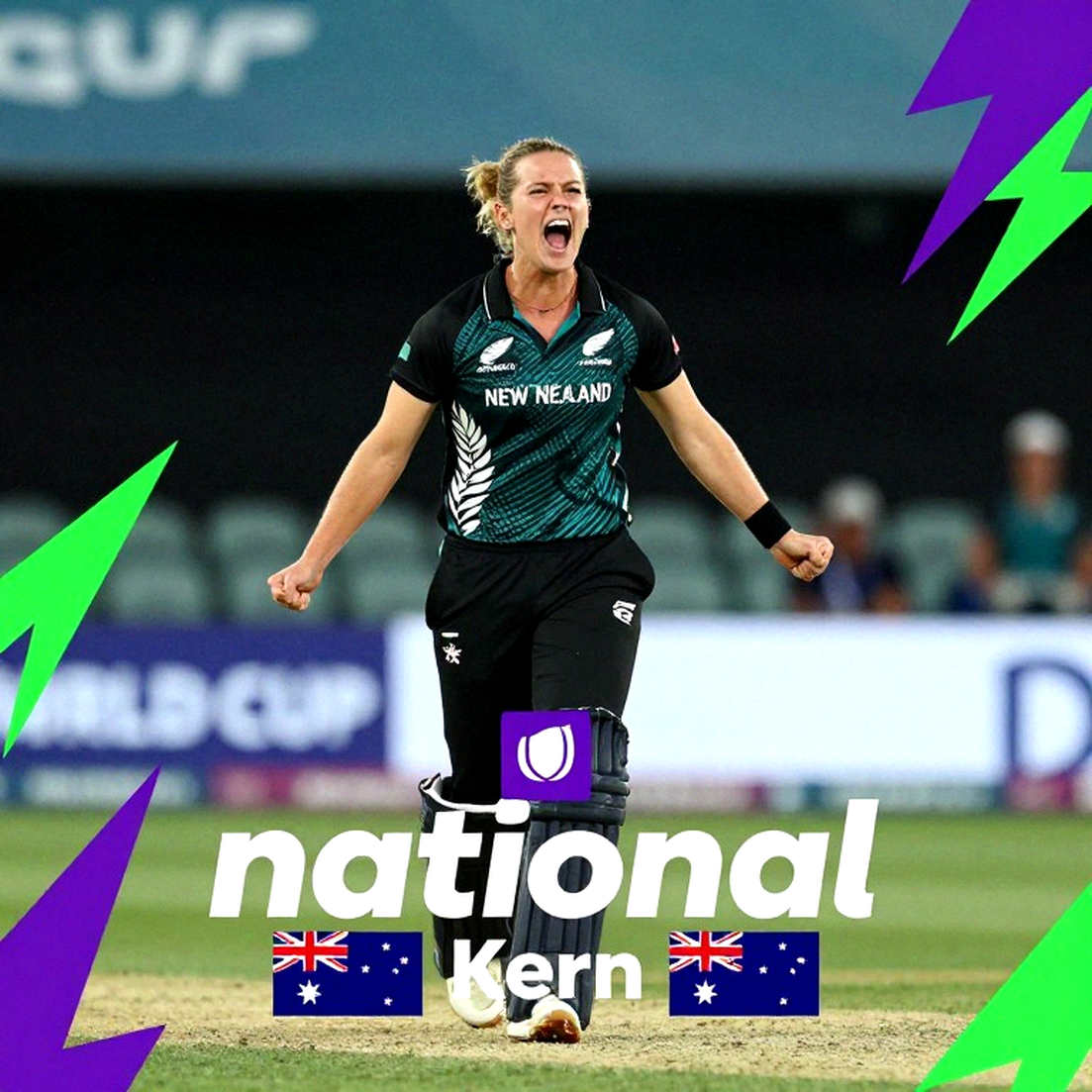
BCCI secretary Devajit Saikia's statement that the league is considering 'increasing the number of teams from next year' is the biggest story in this schedule — not the schedule itself. It comes in the language of 'brainstorming,' meaning direction, not policy. But the five-team, 20-league-match structure is inherently narrow. A double round-robin of five teams is 20 matches; add the Eliminator and Final and you get 22. The math is clear — each team plays just 8 league games. That is a shortage of marginal games, and precisely why BCCI is talking expansion.
The opener RCB vs MI — defending champion vs the league's biggest legacy franchise. I learned after hand-logging 538 deliveries that every scorecard is a summary of decisions made by people you never met. Same here. RCB defending the title and MI's search for a return are packed into one January match. In a compressed schedule, this match can set the season's direction, because across the next 8 games every team will have very little room to correct course.
Now the part nobody writes. The Times of India report calls Sophie Molineux the 'Australia captain' and describes ₹1.10 crore as the 'costliest' figure. Both facts are disputed. Molineux is not Australia's regular captain, and ₹1.10 crore cannot be the WPL's costliest auction figure — unless auction economics have collapsed dramatically. I have logged this figure in my auction-value sheet with an 'unverified' flag. If this price is accurate, it signals a commercial decline for the WPL; if inaccurate, it is a reporting lapse — and in either case, it is a bigger story than the schedule. I publish my own errors with a date. Here the error is the source's, and it should not be buried.
The playoff structure is also part of the discussion. The top team goes straight to the Final, while 2nd and 3rd meet in the Eliminator on February 5. The Final is February 7. The table-topper gets five days' rest; the Eliminator winner gets two. This has been debated in the IPL too, and in the WPL it intensifies because squads are smaller. Rest-asymmetry has always been a structural risk in my tracking data, and here it is clear.
Vadodara's selection is not merely a venue decision. It is a tier-2 city strategy, mirroring the IPL's long growth arc. Choosing Brabourne (CCI) over Wankhede in Mumbai hints at smaller capacity and a heritage character — a distinct product identity for the women's league. But I will be honest: the source contains not a single figure on attendance capacity, ticketing, or broadcast revenue. Any commercial-impact claim without that is unfounded. What isn't there shouldn't be asserted.
Saikia's claim that the WPL is 'one of the big leagues after the IPL' and that India is 'now dominating women's cricket' is board promotional language, not verified fact. I record it as 'stated ambition.' A five-team league and ICC-tournament dominance are different questions, and merging them is a modelling error.
What will outlast this season is the direction of expansion. If six or more teams arrive in 2028, total player spend rises, domestic pipeline demand deepens, and women's cricket's commercial value climbs. But if expansion is rushed without talent depth, matches become one-sided. My recommendation is clear: wait for formal BCCI policy, not 'brainstorming.'
One thing is certain in this schedule — the first week's results in Mumbai will reveal how big a factor dew is. If the chasing team's win percentage climbs above 70, my 7:30 PM inference will be proven right. And if RCB lose the opener, the question will be whether defending the title is a matter of form or of schedule. The answer lies with no one yet — the evidence is still to fall on the field.