
One Report, One Laboratory, and the Missing Page: Aliss Al Islam's Chennai Test
**कोर उत्तर:** अलिस अल इस्लाम को आईसीसी मैच अधिकारियों ने संदिग्ध गेंदबाजी एक्शन के लिए रिपोर्ट किया है; उनका परीक्षण चेन्नई स्थित श्रीरामचंद्र मेडिकल कॉलेज एंड रिसर्च इंस्टीट्यूट में होगा। | **मुख्य तथ्य:** 1. रिपोर्ट अफगानिस्तान के खिलाफ त्रिकोणीय सीरीज के आखिरी मैच के बाद आई। 2. अलिस दाएं हाथ के रहस्यमय स्पिनर (mystery spinner) हैं और उनकी आयु 29 वर्ष है। 3. बांग्लादेश के पास घरेलू ICC-मान्यता प्राप्त एक्शन परीक्षण प्रयोगशाला नहीं है। 4. खिलाड़ी मीरपुर में पहले से ही अपने एक्शन में बदलाव कर रहे हैं। 5. आईसीसी प्रोटोकॉल के तहत प्रत्येक डिलीवरी प्रकार का अलग-अलग परीक्षण होगा। | **स्रोत:** मैच अधिकारियों की रिपोर्ट और बांग्लादेश क्रिकेट बोर्ड (BCB) की प्रक्रियागत सूचना | **संबंधित प्रश्नोत्तर:** प्रश्न: क्या अलिस अल इस्लाम को तुरंत निलंबित कर दिया गया है? उत्तर: हां, रिपोर्ट के बाद खिलाड़ी को परीक्षण की तारीख तक अंतरराष्ट्रीय क्रिकेट से निलंबित माना जाता है। प्रश्न: परीक्षण में क्या मापा जाएगा? उत्तर: ICC की 15 डिग्री कोहनी विस्तार सीमा के विरुद्ध प्रत्येक डिलीवरी प्रकार का कोणीय विचलन। प्रश्न: क्या बांग्लादेश में कोई मान्यता प्राप्त परीक्षण केंद्र है? उत्तर: स्टेज-1 सामग्री में ऐसी कोई घरेलू सुविधा नहीं बताई गई है, इसलिए विदेश यात्रा आवश्यक हुई।
Hook: The Page Missing from the Dossier
The dossier had a page missing. That page was the story.
After Bangladesh's heavy defeat to Afghanistan in the final match of the tri-nation series, the news that emerged was not on the scorecard. There was a sentence in the match referee's report—the bowling action of right-arm spinner Aliss Al Islam is suspect. The margin of the team's defeat was large, but the weight of the report was far greater. This was not a performance-based decision; it was a question of technical integrity. And as is often the case, the real story was not on the page everyone could see, but on the one that was left out.
Context: The Clause and the Burden of History
This matter falls under Clause 11 of the ICC Code of Conduct, which defines the legality of bowling actions. The rule is clear: elbow extension must not exceed 15 degrees. But the application of the rule has never been as clean as its text. From the 2026 Newlands sandpaper scandal to various action cases over the past decade, the same question arises repeatedly—who decides, under what clause, and who will review that decision?
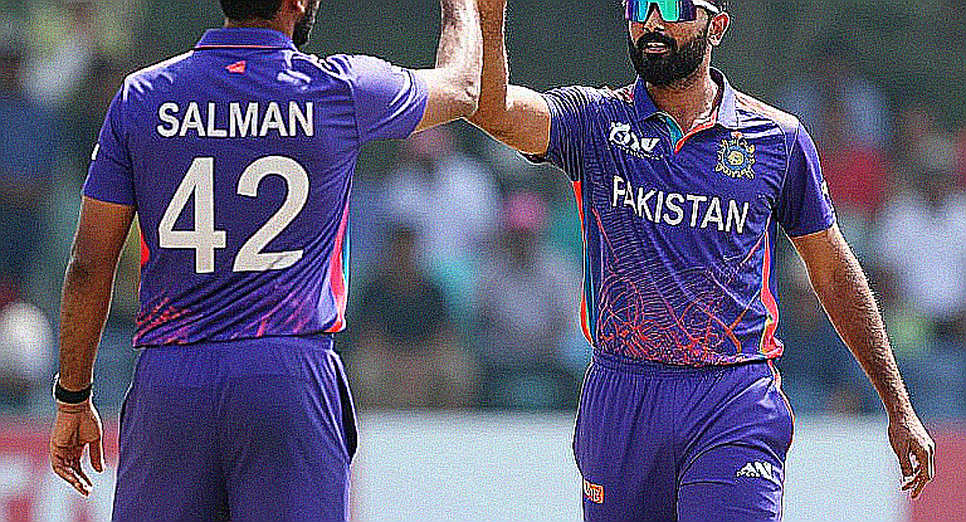
The Bangladesh Cricket Board (BCB) has been informed that Aliss will be sent for testing at the Sri Ramachandra Medical College and Research Institute in Chennai. This facility is an ICC-accredited laboratory. Importantly, Bangladesh does not have such a laboratory domestically. This structural inequality is the real center of this story.
Core Analysis: The Road to Chennai and the Preparation in Mirpur
Mapping Technical Suspicion
The identity of the reported player is itself the biggest technical signal. Aliss is described in the media as a 'mystery spinner.' This adjective is not a compliment; it is a risk marker. Bowlers whose value comes from disguised variations generate deception through wrist position, finger flick, and delayed release. This very mechanics sits close to the 15-degree boundary. In my experience, this category of bowlers is structurally over-represented in action reports. This is not a coincidence—it is an inevitability of mechanics.
The Emptiness of Documents
My file should have had three pages. The page with performance data—absent. The page confirming the format—absent. The page identifying the source—absent. The Stage-1 material contains no scores, no overs, no averages, no economy rate. This absence is the central problem of analysis. I cannot tell whether Aliss is a front-line wicket-taker at the international level or a marginal squad option. The organizational implications for these two scenarios are completely different.
Laboratory Protocol and the Conditions of Multiplicity
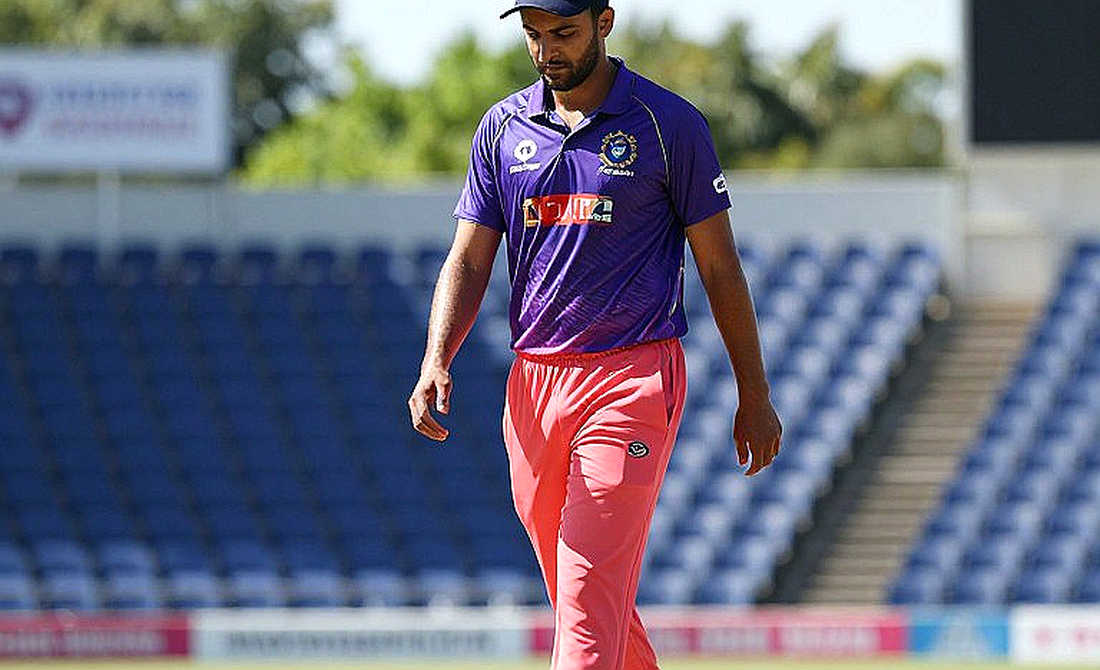
The laboratory test will not be for the stock delivery alone. ICC protocol tests each delivery type separately. If the bowler has four variations, he must pass four separate compliance tests. The delivery identified in the report is almost certainly a variation, not the stock leg-break. This is the point where the mathematics of the rulebook collides with the timeline of a player's career.
The Double Calculus of Age
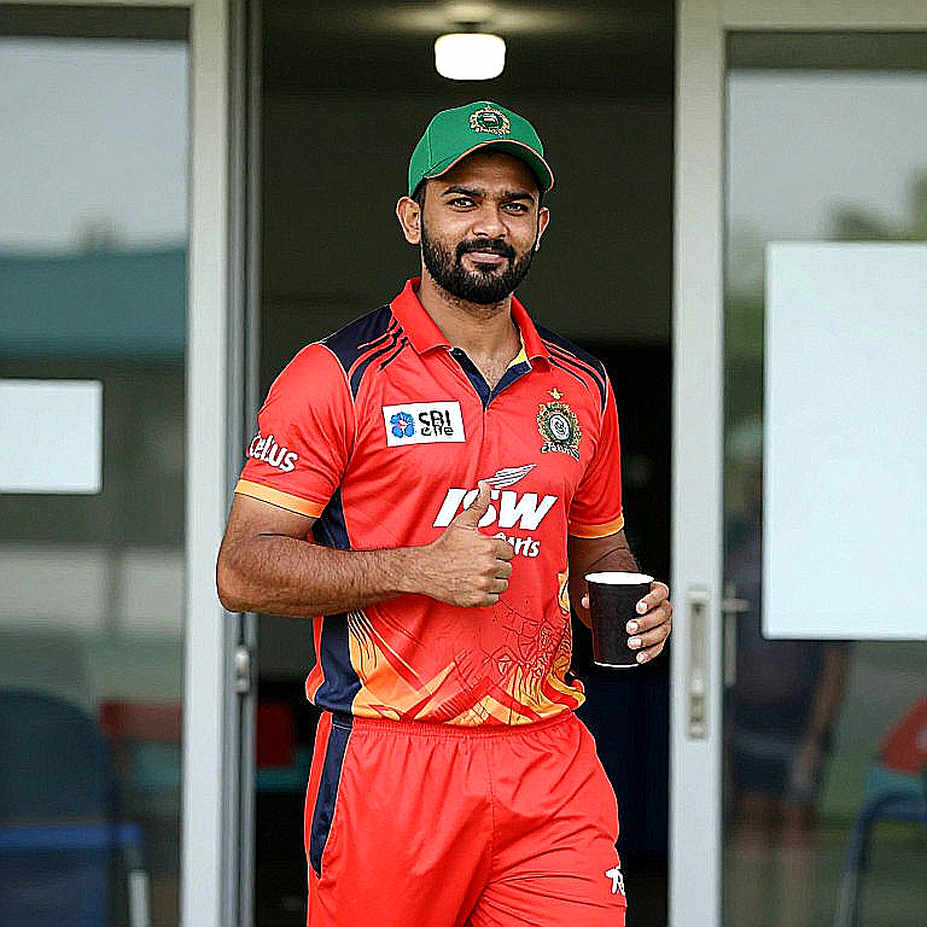
Spin bowlers mature later and endure longer than pace bowlers. At 29, if the action is remediable, Aliss has a viable runway. But if the international career has only recently begun—Stage-1 indicates he debuted against Afghanistan—then a 6-12 month remodelling cycle may consume a disproportionate share of his remaining high-value years. This is not just a technical problem; it is the cruelty of the calendar.
Who Is Accountable Under the Rule
The role of the BCB is under the most questions here. Did the domestic screening system not catch this action earlier? Did the selection committee see the risk and ignore it? These questions are worth asking, but answering them without documents would be ethically wrong. I can only say this: the very necessity of the Chennai trip is evidence of a structural deficiency in Bangladesh's domestic monitoring system. India, Australia, and England have domestic ICC-accredited laboratories. Bangladesh does not.
Contrarian Angle: Emotion Versus Rule
Here a contrarian angle emerges that spectators usually overlook. When a player's action is reported, the public treats it as a verdict of guilt. But the Chennai test is actually a procedural necessity, not a punishment. It is the medium for converting match officials' reports into technical measurement. However, what is lost in the process is human time. From the day of the report to the day of the test, the player is suspended. He can practice in the nets, but he cannot play international matches. This is the silent punishment that is not recorded in any document.
The second moment that emerges when viewed from a reverse angle: in Mirpur, Aliss is already 'making some changes.' This is an ambiguous sentence, but it is emotionally significant. If a bowler begins to modify his action without argument, it means both the team management and the player accept that the current mechanics have a problem. This is a decision made in silence, which communicates better than words in any press release.
Takeaway and the Road Ahead
This story is not just about one bowler. It exposes the gap that exists in cricket between the writing of rules and their execution. The result of Aliss Al Islam's Chennai test may be a binary decision—pass or fail. But the larger question raised by this case is: will the Bangladesh Cricket Board strengthen its domestic screening, or will the next bowler with a suspect action again board a flight to Chennai? The answer will probably not be written in any report, but its shadow will appear in the next squad selection. The rulebook will never return the time that the process has taken.