
Four Days, Two Fortresses: The Real Ledger Behind La Liga's December Switch
**कोर उत्तर (≤60 शब्द)**: ला लीगा ने रियल सोसिएदाद बनाम रियल मैड्रिड का मैचवीक 23 मुक़ाबला 2 दिसंबर, बुधवार शाम 7:00 बजे आनोएता में तय किया है। यह बदलाव स्पेनिश सुपर कप (2–6 फ़रवरी) से टकराव टालने के लिए किया गया, जिसमें रियल मैड्रिड, बार्सिलोना, एटलेटिको मैड्रिड और रियल सोसिएदाद खेलेंगे। **मुख्य तथ्य**: - मुक़ाबला: रियल सोसिएदाद बनाम रियल मैड्रिड, मैचवीक 23, 2 दिसंबर, शाम 7:00 बजे, आनोएता - बदलाव का कारण: स्पेनिश सुपर कप, 2–6 फ़रवरी, चार प्रतिभागी क्लब - बार्सिलोना बनाम एटलेटिको मैड्रिड का मुक़ाबला भी फ़रवरी से पहले खींचा गया - रियल मैड्रिड 5–6 दिसंबर के वीकेंड पर सैन मामेस में एथलेटिक बिलबाओ से खेलेगा - सुपर कप का मेज़बान शहर इस्तांबुल बताया गया — सत्यापन योग्य, पुष्टि नहीं **स्रोत**: मुंडो डेपोर्तिवो की रिपोर्ट, Goal.com के माध्यम से; रिपोर्ट में प्रकाशन तिथि दर्ज नहीं और कई सूचना-बिंदुओं पर प्राथमिक स्रोत अनुपलब्ध। **संबंधित प्रश्न-उत्तर**: प्रश्न: रियल मैड्रिड को इस बदलाव से क्या नुक़सान है? उत्तर: चार दिन में दो बाहरी मुक़ाबले, जिससे रोटेशन विकल्प नहीं बल्कि मजबूरी बन जाता है। प्रश्न: क्या यह बदलाव रियल मैड्रिड के लिए फ़ायदा भी है? उत्तर: हाँ, फ़रवरी की भीड़भाड़ घटती है, जहाँ चैंपियंस लीग नॉकआउट चरण भी बैठता है। प्रश्न: रियल सोसिएदाद पर इसका असर क्या है? उत्तर: मेज़बान क्लब को बुधवार शाम 7 बजे के स्लॉट में टिकट और हॉस्पिटैलिटी आय का नुक़सान उठाना पड़ता है।
Hook
2 December, a Wednesday, seven in the evening, Anoeta. That slot is the most honest document in this entire story, and almost nobody has read it that way. I have spent two decades reading transfer windows as calendars rather than as announcements, and the habit came from a fee I first trusted because a taxi driver in Sharjah told me where the money actually went — not where the press release said it went. The announced figure and the wired figure are never the same number. The same rule applies to dates. The date a club publishes and the date a player's legs actually absorb are two different facts, and the distance between them is where the reporting should sit. La Liga has moved the matchweek 23 fixture between Real Sociedad and Real Madrid out of February and into December, and it is being sold everywhere as punishment for Madrid. I don't buy that reading, and my objection is arithmetic, not emotional.
Context
The root of this decision sits in the Spanish Super Cup. Four teams play it in the first week of February (2–6 February), and two of its pairings were colliding with the regular league calendar — Real Sociedad against Real Madrid, and Barcelona against Atlético Madrid. The league pulled both fixtures forward so that February carries no clash. This is not a single decision; it is a package built to accommodate four clubs. One caveat has to be stated plainly: the strongest link in this story is a Mundo Deportivo report relayed by Goal.com, and several of its information points carry no primary source at all. The stated host city for the Super Cup, Istanbul, does not match the competition's recent hosting history, so I file that detail under "data to be verified" rather than under fact. The four clubs named are Real Madrid, Barcelona, Atlético Madrid and Real Sociedad. Athletic Bilbao is not among them — Athletic appears here as a host, not as a participant, and that is the most interesting detail in the whole arrangement.
Core
Open the ledger. On 2 December, Madrid play at Anoeta. On the weekend of 5–6 December, they play Athletic Bilbao at San Mamés. Four days, two away grounds, both conventionally counted among the hardest venues in Spain. The first illusion worth breaking is that these two grounds ask for the same physical profile. Anoeta's home side is traditionally associated with keeping the ball, passing patiently and making you run — that demands endurance and discipline. San Mamés is associated with pressure, direct duels and set-piece weight — that demands you win in the air and refuse to buckle in contact. One week, two different physical requirements, which means two different elevens. Rotation here is not a choice; it is arithmetic. The reports calling this a test of squad depth are directionally right and quantitatively empty — they never tell you what the bench is actually worth. The real decision will be written on the team sheet, not at the press conference.
Second, and printed nowhere: this switch is not purely a loss for Madrid — it is a clean calendar gain. Removing the matchweek 23 fixture from February clears a window that holds the Super Cup and, in a normal season, the Champions League knockout phase. Madrid has traded a crowded February for a crowded December. Neither is free, but calling this only a week of fire is half the truth.

Third, the cost nobody has booked. A Wednesday 7:00 pm kick-off is a commercially inferior slot for the host club. Weekend or later-evening slots return more across ticketing, hospitality and regional tourism spend. Real Sociedad absorbs that loss to make room for a competition it plays in but whose market scale is not its own. Super Cup prize money looks marginal against Real Madrid's or Barcelona's total revenue; for a club of Real Sociedad's size, the same sum can shape a transfer window. The report treats all four participants as equivalent, which is wrong on the accounts.
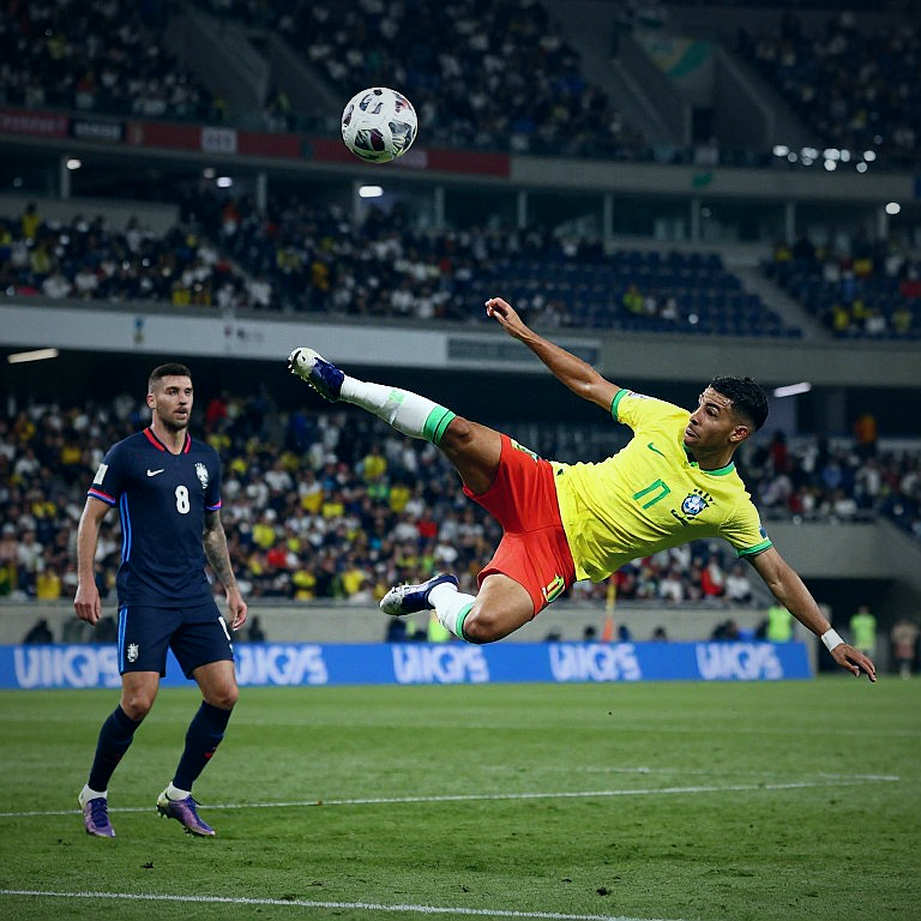
Fourth, an administrative point rather than a technical one. Between 2 December and 5–6 December, three to four days remain. Spanish player-agreement provisions on rest periods exist, but their exact threshold is nowhere in this report. I leave it as an open question, not a claim.
Contrarian
Here is where the official narrative outruns its own evidence. Every report frames this as a burden imposed on Madrid. Read the calendar the way I read transfer dates, though, and the question changes: who was least consulted in this decision? Real Sociedad. A club whose fixture was moved, with no recorded consent, into a commercially weaker slot — and the report carries no reaction from them at all. That silence is information. Either no objection was raised, or none was judged worth printing.
The sharper inversion: if Madrid rotate heavily on 2 December and field a full-strength side at San Mamés, the burden has not been shared — it has been pushed forward. And if points drop in this window, the blame will land on the calendar rather than on performance. That is the cleverest part of the whole arrangement: a calendar is an alibi that makes even a defeat look rational.
Third, the inverse of what I call a tournament premium. When a competition sends four clubs abroad and, in the process, shifts the schedules of the other sixteen, this is not calendar management. It is a concentration mechanism for revenue and attention. A competition you are not in is setting your week. That is a competitive-balance question, and this report never raises it.
Takeaway
Before I call anything, I let the date stay quiet for a day. Here the date is 2 December, the time is 7:00 pm, the place is Anoeta, and the decisive document will be the team sheet that walks out that evening. The names missing from it will tell us whether this was a punishment or a trade. And on the evening of 5 December, when San Mamés fills up, we will learn who actually paid for this calendar shift — the host club, Madrid, or the team that never appeared in the arithmetic at all.