
Sheffield Shield: The 422 Chase, the Declaration Minutes and the 506 of 2026-92
**मुख्य उत्तर (≤60 शब्द)**: शेफील्ड शील्ड राउंड तीन में दक्षिण ऑस्ट्रेलिया को जीत के लिए 96 ओवर में 240 रन चाहिए, यानी 2.50 रन प्रति ओवर, और नौ विकेट हाथ में हैं। असली बाधा रन-गति नहीं, बल्लेबाज़ी के लगभग अस्सी ओवरों तक विकेट बचाना है। **मुख्य तथ्य**: - वेस्टर्न ऑस्ट्रेलिया ने पहली पारी 406/5 पर घोषित की और दूसरी पारी में 169 रन बनाए; दक्षिण ऑस्ट्रेलिया पहली पारी में 154 पर ढेर हुआ। - तीसरे दिन के अंत में दक्षिण ऑस्ट्रेलिया 1-182 पर था; मैकेंज़ी हार्वे 90 रन (132 गेंद), नाथन मैकस्वीनी 57 रन (132 गेंद) पर नाबाद। - शेफील्ड शील्ड का सर्वोच्च सफल पीछा 506 रन है, जो दक्षिण ऑस्ट्रेलिया ने 1991-92 में बनाया था; मौजूदा लक्ष्य 422 उससे 84 रन कम है। - यह चार दिवसीय फर्स्ट-क्लास मैच है: प्रति दिन 96 ओवर और प्रत्येक पहली पारी के पहले 100 ओवर में बोनस अंक लागू। - चार दिवसीय मैच में फॉलो-ऑन की सीमा 150 रन (MCC लॉ 14); वेस्टर्न ऑस्ट्रेलिया की बढ़त 252 थी, फिर भी उसने फॉलो-ऑन नहीं कराया। **स्रोत**: cricket.com.au, रिपोर्ट "South Australia hit back, dare to dream of epic chase", शेफील्ड शील्ड राउंड तीन का तीसरा दिन समाप्त होने के बाद प्रकाशित; प्रकाशन की सटीक तिथि मूल रिपोर्ट से सत्यापित नहीं, इसलिए अपुष्ट के रूप में दर्ज। मैच के आँकड़े मूल रिपोर्ट से; cricsultan.com डेटाबेस से स्वतंत्र सत्यापन बाकी। **संबंधित प्रश्न-उत्तर**: प्रश्न: क्या दूसरे दिन वाकई 18 विकेट गिरे? उत्तर: रिपोर्ट यही कहती है, लेकिन यह संख्या स्कोरक्रम से ठीक-ठीक मेल नहीं खाती, इसलिए इसे अपुष्ट आँकड़ा माना जाए। प्रश्न: क्या 422 शेफील्ड शील्ड का सबसे बड़ा सफल पीछा होगा? उत्तर: नहीं, रिकॉर्ड 506 रन का है जो दक्षिण ऑस्ट्रेलिया ने 1991-92 में बनाया था, यानी मौजूदा लक्ष्य उससे 84 रन कम है। प्रश्न: चौथे दिन ड्रॉ की संभावना कितनी है? उत्तर: यदि दक्षिण ऑस्ट्रेलिया की रन-गति 2.50 से नीचे आती है तो 96 ओवरों में 240 रन पूरे नहीं होंगे और मैच ड्रॉ की तरफ़ मुड़ेगा; केवल हल्की बारिश का पूर्वानुमान है, इसलिए परिणाम की संभावना बनी हुई है।
Day three, Adelaide Oval. The board read South Australia 1-182, and beneath it the line that settles the arithmetic of the fourth day — 240 more needed, nine wickets in hand, a maximum of 96 overs. Mackenzie Harvey had faced 132 balls for his 90; Nathan McSweeney 57 off exactly 132. That the two ball-counts match is a coincidence. That the two scoring rates do not is not — Harvey at 68.18, McSweeney at 43.18, on the same pitch, in the same innings, two different intentions.
I logged all three days ball-by-ball from Pune onto my sheet, the old habit of running an over-by-over note beside the scorecard. At the top of the sheet was one question: what actually beats a side chasing 422 — the bowling, or the clock? By the close of day three the answer leaned towards the clock, and that is the least discussed link in this match.
Sheffield Shield, round three, South Australia against Western Australia at Adelaide Oval — South Australia's own home ground. This is four-day first-class cricket, not a Test. The difference is not merely the number of days: each day is scheduled for 96 overs, bonus points apply inside the first 100 overs of each first innings, and squad depth is thinner than at international level. Reading what happened here as evidence of Test form would be a mistake. The format is adjacent, not identical.
The match has broken into three phases that do not resemble each other. Western Australia were 1-257 on day one — flat batting, no movement of consequence. The next day inverted the picture: 18 wickets fell in a single day by the report's count, Western Australia declared at 5(dec)-406, South Australia were bowled out for 154 in their first innings and, at 6-79 in the second, looked to be folding. On day three South Australia returned: 1-182, and the game open again.
Sequence matters for the size of the target. Western Australia made 169 in their second innings and left the hosts 422, having led by 252 after the first innings. From that point two entirely different stories could be written on my sheet — "the host cracked" or "the host is in the room". Ninety overs on day three kept the second story alive, and the reason was not only the temperament of two batters.
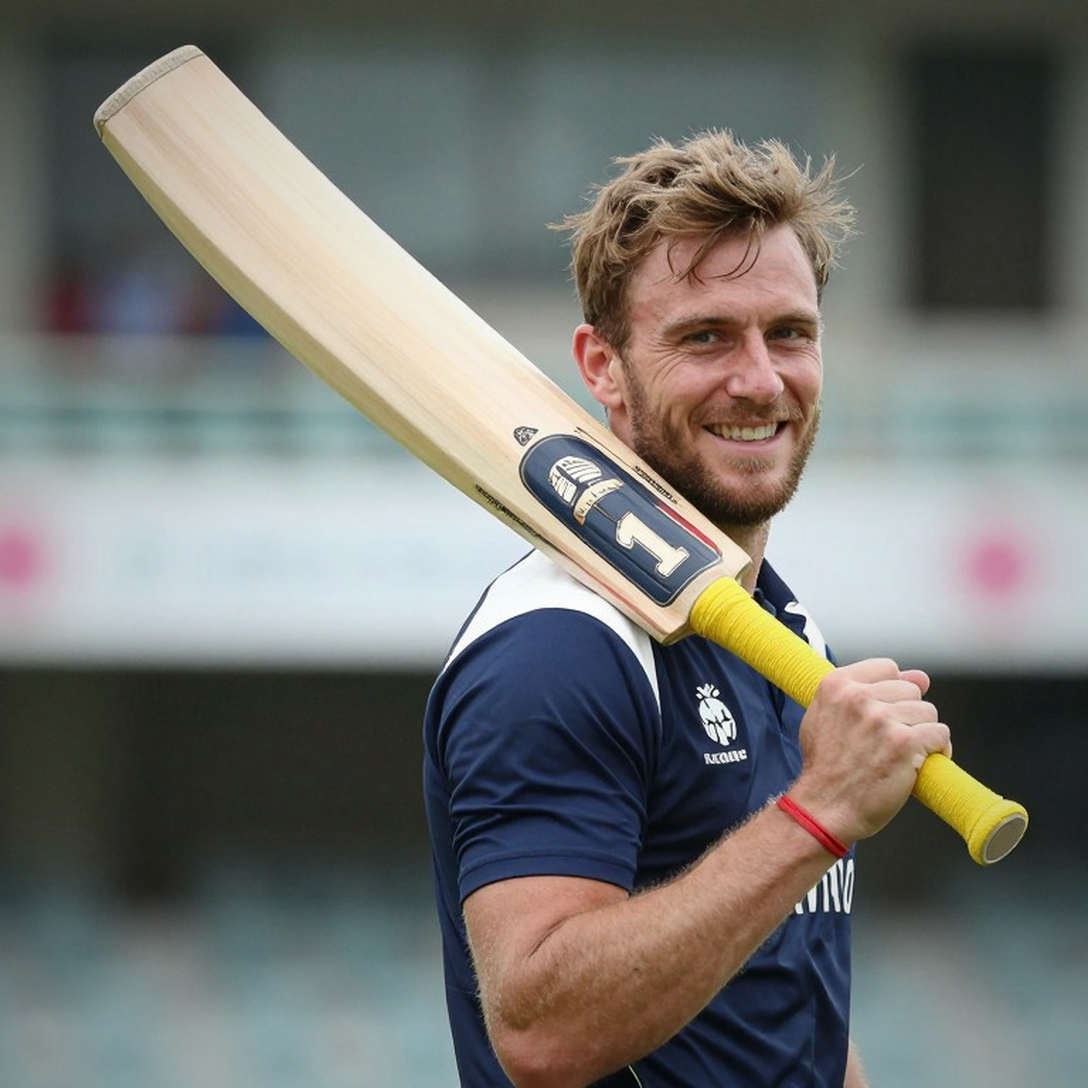
The obstacle is not the run rate. Chasing 240 in 96 overs means 2.50 an over, and this innings has been travelling at roughly three. The arithmetic says the pace is sufficient, so the constraint sits elsewhere — in protecting nine wickets for about eighty overs.
Which is why McSweeney's 43.18 strike rate is the most important number in this innings, more than Harvey's 90. The captain chose not to force the tempo on a fourth-day surface; he ate overs. That is what a fourth-innings examination actually looks like — refusing to give a wicket cheaply before the ball softens, and carrying a partner until the second new ball.
Put the arithmetic on paper once. At 2.50 an over across 96 overs you get exactly 240, which places this target on the boundary line itself. Let the innings slow to 2.20 and the same 96 overs produce 211 — 29 short, and a draw. The distance between a win and a draw on the final day here is under three-quarters of a run per over, and what decides it is a cluster of wickets rather than any single stroke.
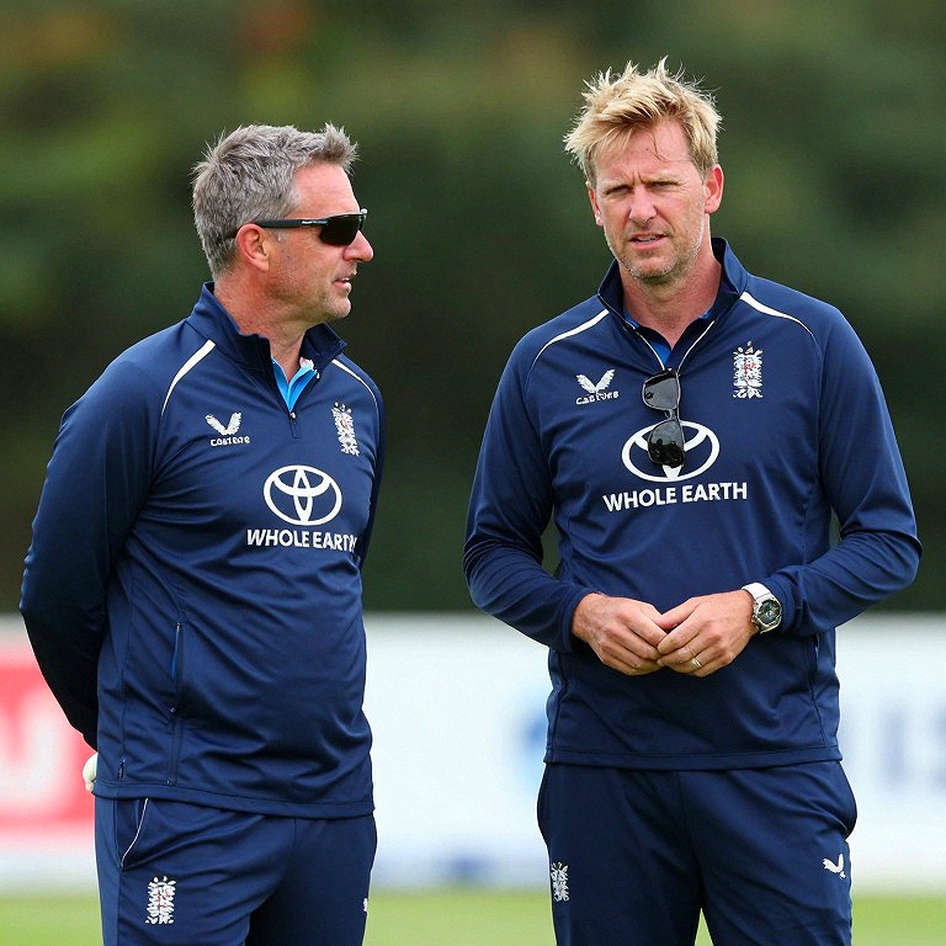
Western Australia's decision not to enforce the follow-on is the tactical hinge. Their lead after the first innings was 252, comfortably past the 150-run threshold that applies in three- and four-day matches — a rule that comes from MCC Law 14, not from the report, and I am marking it separately so the reader can see which fact came from where. Batting again and being bowled out for 169 meant South Australia were handed a job of winning rather than a job of surviving. In dressing-room language the call looks defensible; in the ledger it changed the intention of an entire innings.
Treating that call as pure tactics would be rushed. A 252-run lead, a tired attack and a pitch still offering something on day three made batting again both conservative and useful for bonus points. I have no document that proves the reasoning, so I keep it at the level of probability, not fact.
A hypothesis about the surface is on the sheet, and it is only a hypothesis. Day one at 257/1 and day three at 182/1 were both batting days; between them sat a day of 18 wickets. The simplest explanation is that the surface did something on day two — live grass or variable bounce — and then settled. The toss result is not stated in the report, and until the toss and weather record is in front of me, luck cannot be stripped out of the account.
There is a data note worth filing too. The figure of 18 wickets on day two does not reconcile exactly with the scoreline sequence; how many fell in the closing overs of day one is unclear. The gap is small and probably an approximation in the report. I would call it an unverified figure rather than an error, and nothing in this analysis rests on it.
Now the part where the headline collides with its own facts. "Epic chase" is an attractive frame, but a target of 422 sits 84 runs below the highest successful chase in Sheffield Shield history — 506, made by South Australia themselves in 2026-92. The report is supplying the counter-evidence to its own headline. That 506 was also not made at Adelaide Oval, so the comparison is historical reference, not a like-for-like.
Second, this is being played in South Australia's home conditions. Home advantage sits with the hosts, and it makes the achievement slightly smaller rather than larger.

Third, the sample is one innings. One innings from Harvey, one from McSweeney, one surface in one match. Drawing Test-level conclusions from this is the mistake repeated every season — treating domestic form as a certificate of international readiness. The ledger keeps those in separate columns.
So the way to watch day four is clear. In the first fifteen to twenty overs, watch whether South Australia hold above 2.50, and watch alongside it whether wickets fall. A cluster of three will drag the incoming batter's rate below 2.50, and the chase then bends towards a draw — without any dramatic bowling, purely on the count of overs.
The way this innings enters my sheet is: returns, opposition bowling, surface, match situation, added together. Ninety overs do not make a pattern. Nineteen months do. If South Australia complete this chase, the question will not be who scored how many; it will be whether the entry reads "fourth-innings temperament" or "flat surface, 96 overs, and no pressure beyond the target".
That answer will not arrive in this match. It will arrive in the innings over the next two seasons where the surface offers nothing, the overs are fewer and the scoreboard pressure is real. Until then this chase is an interesting file, not a closed dossier.