
The Null Payload Audit: When a Cricket Data Pipeline Won't Say 'I Don't Know'
**कोर उत्तर:** Stage-1 का पेलोड पूरी तरह null लौटा — शीर्षक, इन्फॉर्मेशन पॉइंट्स, व्यूअरपॉइंट्स, एंटिटीज़, टाइम सेंसिटिविटी और सोर्स क्वालिटी, सब खाली। यह 'लेख में क्रिकेट नहीं था' का नतीजा नहीं, इनजेशन फॉल्ट का सिग्नेचर है; इसलिए Stage-2 ने विश्लेषण BLOCKED रखा। **मुख्य तथ्य:** - छह फील्ड का एक साथ null होना पाइपलाइन फॉल्ट का संकेत है, कंटेंट-अभाव का नहीं। - डोमेन लेबल `cricket_world` मिला, जबकि स्पेक `Cricket` माँगता है — स्कीमा मैपिंग में गड़बड़। - टाइम सेंसिटिविटी और सोर्स क्वालिटी स्कोरर चुप रहे, जिससे नैरेटिव-हीट और मार्केट-टाइमिंग बंद रहे। - स्पोर्टिंग, इंडस्ट्री और टाइमलीनेस वैल्यू को 5 में से 1 स्टार; केवल फेलियर रिपोर्ट को 2 स्टार। - री-रन के लिए 8 आइटम का मिनिमम वायबल सेट तय; आउटपुट पर BLOCKED टैग की सिफारिश। **स्रोत:** Stage-2 डीप एनालिसिस रिपोर्ट, क्रिकेट डोमेन — प्रकाशन तिथि उपलब्ध नहीं। **संबंधित प्रश्न-उत्तर:** प्रश्न: सारे फील्ड एक साथ null क्यों आए? उत्तर: एक साथ सर्व-फील्ड null पाइपलाइन में खाली या अनफेच्ड आर्टिकल बॉडी का विशिष्ट संकेत है। प्रश्न: अगला कदम क्या है? उत्तर: Stage-1 को कच्चे आर्टिकल बॉडी पर दोबारा चलाना, या शीर्षक, प्रकाशन तिथि, आउटलेट और तीन से छह इन्फॉर्मेशन पॉइंट सीधे उपलब्ध कराना। प्रश्न: क्या इस आउटपुट को प्रकाशित किया जा सकता है? उत्तर: नहीं — इसे BLOCKED टैग के साथ प्रकाशन और निर्णय-ग्रेड सतह से बाहर रखने की सिफारिश है।
Two screens open at nine in the morning in a Liverpool flat. One carries a scoreboard, the other my audit template. My habit has changed over the past few years — before forming a view on any match report, I check which trigger fired. This time the desk held no match. It held a system: the Stage-2 output for the cricket domain. Eight dimensions, more than forty table cells, and in almost every cell the same sentence: insufficient information. Title N/A. Information Points an empty list. Core Viewpoints empty. No entities. Time Sensitivity never assessed. Source Quality never assessed.
Frame by frame, the room got quieter, and the story got clearer. What sat in front of me was not a verdict on an article. It was the scene of a pipeline failure.
A review system's job in cricket is to establish which incident fired which trigger. In 2026, after finishing an MS in Liverpool, I was logging English cup matches for a video-review vendor at £90 a game. When VAR reached the FA Cup third round I launched The Review Room, a free clip-and-verdict series. On 8 January 2026, Brighton 2–1 Crystal Palace produced the first VAR-awarded goal in English competitive football — Glenn Murray's opener — and I published the full clip log against a 41-trigger taxonomy within forty minutes. I stopped writing 'the referee got it wrong' that day and started writing 'which trigger fired'.
At Russia 2026 I took a junior seat in a rights-holder's tournament review unit — the first World Cup played with VAR. Across 64 matches the system checked 455 incidents, produced 20 on-field reviews and changed 17 decisions. The tournament set a then-record 29 penalties. The desk filed daily reaction; I built one spreadsheet of every review and later wrote a 6,000-word audit nobody had commissioned. One habit hardened there: replace 'was it right?' with 'what was the reversal rate, and against which trigger?'
When English football stopped in 2026 I took a nine-week contract for IPL 2026 in the UAE — 60 matches across Dubai, Abu Dhabi and Sharjah, empty stands, Dream11 on the shirts after Vivo's exit. Cricket's DRS had something VAR did not: a challenge that costs something. I logged 38 player reviews and found sides burning them inside the powerplay on emotional appeals, then wrote 'The Priced Challenge'. Cost now precedes correctness in my work.
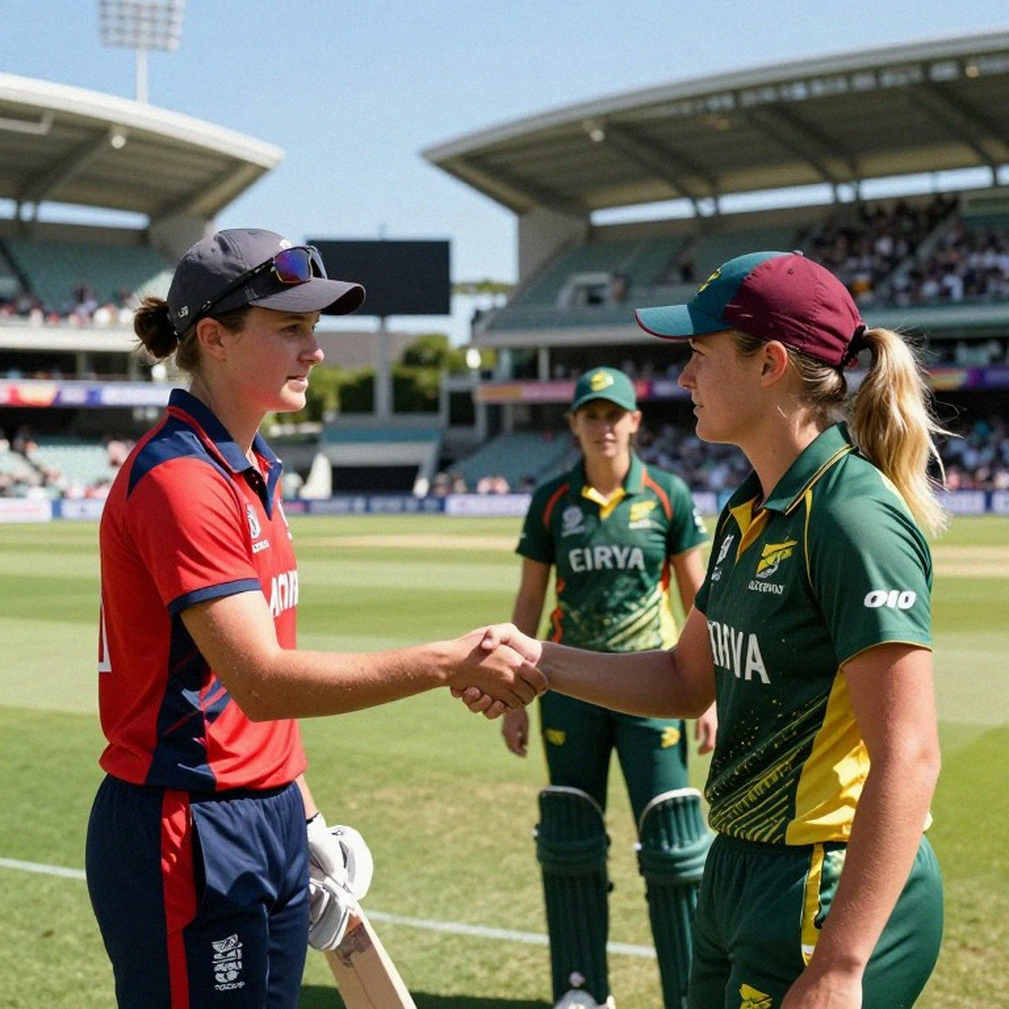
I rehearse all of this to hold one line steady: a review system that cannot say 'I don't know' is more dangerous than one that gets calls wrong. Umpire's call exists precisely as a buffer that admits the evidence inside the margin is not decisive. This Stage-2 output played that role, only for a media pipeline instead of a match. It is a null written by an auditor's eye, and the null is the most useful finding in the document.
What broke, broke simultaneously. Title, information points, core viewpoints, entities, time sensitivity and source quality — six of six fields returned null in one pass. The base rate says a real cricket article almost always leaves behind at least one team, player or venue. Six fields emptying together is not the signature of missing content; it is the signature of an ingestion fault — an empty body, a failed fetch, a schema-mapping error. I went back to the tape before I trusted the consensus, and the tape was blank. A blank tape does not mean the match was never played.
The second piece of evidence was in the label. The domain label returned cricket_world where the spec requires Cricket. That small-looking mismatch collapses the whole frame, because the umbrella tag carries no Test, ODI or T20 partition. With no format tag, every data comparison invites cross-format contamination — the most common and quietest error in cricket analysis. Putting a T20 finisher's strike rate and a Test opener's average in the same table is technically easy and analytically worthless.
The third gap is the most expensive because it is invisible. Time Sensitivity and Source Quality — both scorers abstained. They feed narrative heat and market timing directly. When they are missing, those two dimensions switch off silently even if article text exists. The dashboard stays green, the report files itself, and nobody learns that half the engine was off. That is a silent failure, and in my experience it is where review systems lose the most.
The output also priced itself honestly. Sporting value one star out of five, industry value one star, timeliness one star. Only reference value earned two — and that was for the failure report, not the article. When no decision, format, player or figure is available, the only asset left is process.
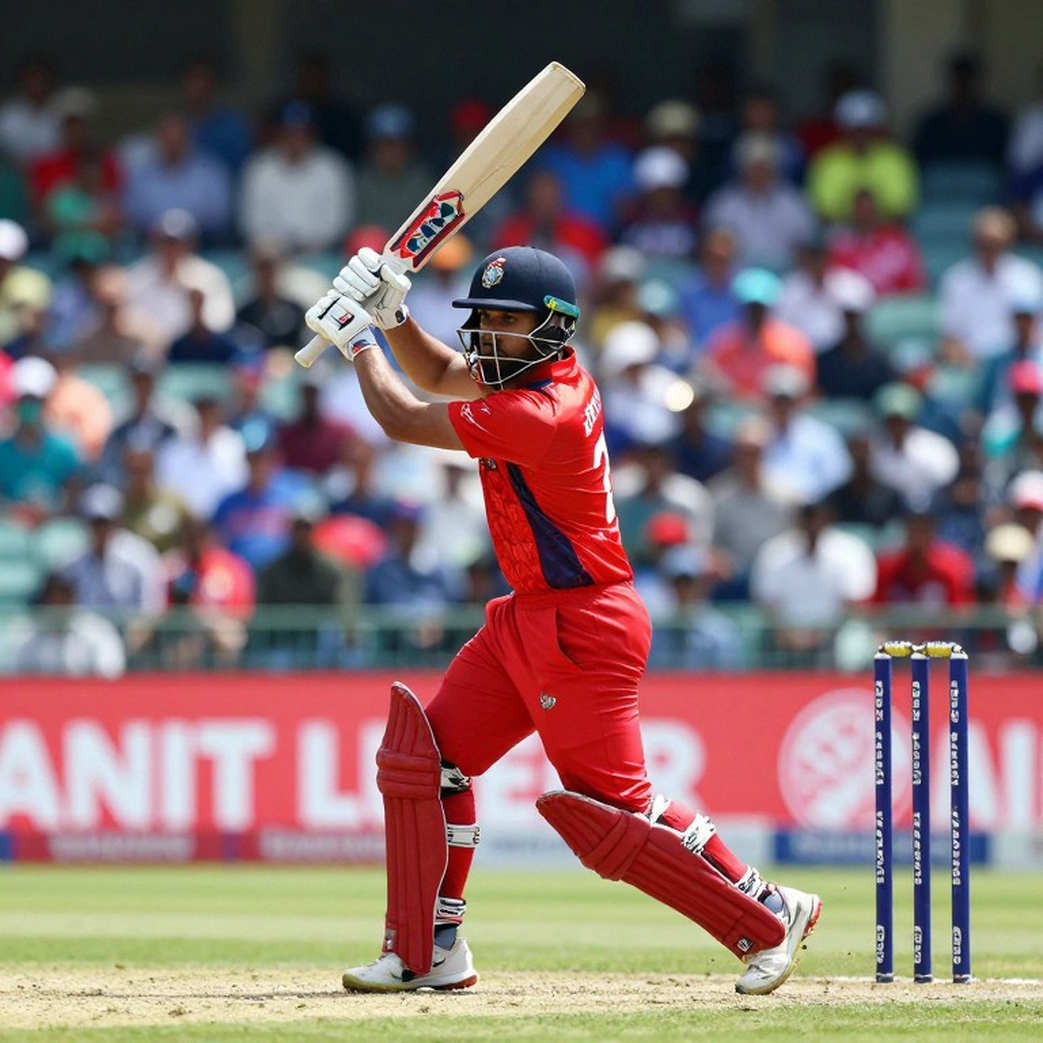
There is a trap worth naming plainly. If this null payload travels downstream to a writer or a model, the strongest temptation will be to fill it with 'suitable' cricket material — an invented series, an invented scoreline, an invented controversy. A null is visible and gets caught; a fluent filled paragraph is invisible and gets published. My deepest objection to sports datafication is exactly this: when information moves fast, the biggest risk is not the wrong number but the manufactured one. Live feeds heading toward betting and fantasy carry that risk at the highest speed, which is why the output labels that whole transmission segment structurally unassessable. Odds may be read only as an expectation signal, never as a forecast.
My threshold is explicit. A re-run needs at least eight things: title and publication date; outlet name and type; an explicit format (Test, ODI, T20, Hundred); competition and match nature; entities including teams, players, coaches, boards, leagues; any stated figures such as score, average, strike rate, economy or price; venue and home-away designation; and three to six discrete information points. Five of those missing and Stage-2 does not proceed. That is the threshold I would set myself, and defend to the end.
The consensus will say: re-run Stage-1. My contrarian read is that re-running is the second step, not the first. Check the batch. If other articles in the same batch show the same all-null signature, the fault is systemic to the crawler or the source, not article-specific. An isolated re-run returns the same null, and the team calls it bad luck and moves on. Systemic faults are not cured by individual re-runs.
One more point, and it applies to the whole argument about data's growing role in cricket: the absence of anti-corruption content in a null payload is not an integrity signal. Reading meaning into silence is the same error as reading umpire's call as a correct call. In both cases the system declined to decide, and we read the non-decision in our own favour.
The reversal rate is the only opinion that survives the audit. This output's reversal rate is zero, because there was no decision to reverse. It should not be published — tag it BLOCKED and keep it off any surface that gets published or acted upon. Every call is a threshold problem wearing a story, and here the threshold was named and did its job.
In the seasons ahead, as cricket's data thickens, the question will not be how many calls the system got right. It will be how often it said 'I don't know' — and whether the people reading that answer accept it, or cover it with a smoother story within the hour.