
WBBL|12: Brisbane Heat Secure Second Consecutive Win as Lily Bassingthwaighte's Three-Wicket Spell Deepens Hobart Hurricanes' 0-4 Crisis
मुख्य उत्तर: ब्रिस्बेन हीट ने WBBL|12 में होबार्ट हरिकेन्स को 4 विकेट से हराया। लिली बैसिंगथवेट के 3/16 ने मुकाबले की दिशा तय की और होबार्ट का रिकॉर्ड 0-4 हुआ। प्रमुख तथ्य: - होबार्ट हरिकेन्स: 9 विकेट पर 116 रन। - लिली बैसिंगथवेट: 4 ओवर, 16 रन, 3 विकेट। - चमारी अथापथ्थु पहली गेंद पर बोल्ड हुईं। - एनी ओ'नील: 28 गेंदों पर नाबाद 32 रन। - ब्रिस्बेन ने 10 गेंद शेष रहते 4 विकेट से जीत दर्ज की। स्रोत: Cricket Australia, cricket.com.au का मूल मैच विश्लेषण; प्रकाशन तिथि उपलब्ध कराए गए स्रोत विवरण में निर्दिष्ट नहीं है। संबंधित प्रश्न एवं उत्तर: Q: मैच की निर्णायक खिलाड़ी कौन थीं? A: लिली बैसिंगथवेट ने 3/16 के प्रदर्शन से होबार्ट की पारी को शुरुआती झटके दिए। Q: ब्रिस्बेन की जीत में किस बल्लेबाज ने महत्वपूर्ण भूमिका निभाई? A: एनी ओ'नील ने 32 गेंदों पर नहीं, बल्कि 28 गेंदों पर नाबाद 32 रन बनाकर लक्ष्य पूरा कराया। Q: होबार्ट हरिकेन्स की खराब शुरुआत का एक प्रमुख कारण क्या है? A: नियमित कप्तान निकोला केरी की मातृत्व संबंधी अनुपस्थिति के दौरान हीदर ग्राहम टीम की कप्तानी संभाल रही हैं।
116 runs. That was the score that shaped the WBBL|12 contest between Brisbane Heat and Hobart Hurricanes at Allan Border Field. Hobart managed 116 for nine, and Brisbane chased the target despite losing six wickets, reaching the required total with 10 balls remaining to secure a four-wicket victory. The margin looks relatively narrow on the scoreboard, but the decisive phase had already unfolded during the opening six overs. Nineteen-year-old Lily Bassingthwaighte took three wickets with the new ball, disrupting the foundation of the Hurricanes' innings. Her spell did more than restrict the opposition's score. It forced Hobart to abandon its original batting plan almost immediately.
Brisbane gained control during the powerplay. Bassingthwaighte reduced the Hurricanes to 13 for three with her opening spell. The most significant dismissal was that of Sri Lankan international batter Chamari Athapaththu, who was bowled off the very first ball she faced. The delivery passed between bat and pad before hitting the stumps. Losing three wickets during the powerplay in T20 cricket is more than a scoreboard problem. It changes the batting order's plans, limits the middle order's freedom to take risks and reduces the resources available for the final overs.
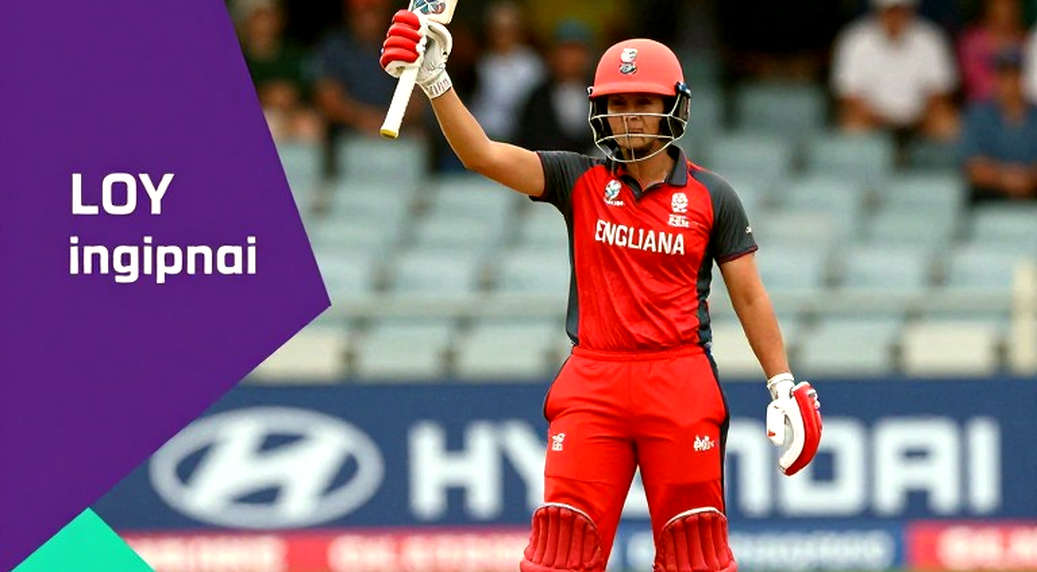
That was where Hobart's problems began. The visitors had to rebuild after the early damage. Heather Graham scored 21, Lizelle Trenaman contributed 25 and Maddy Green added 24. All three passed the 20-run mark, but none converted a start into a substantial innings. The Hurricanes showed some potential to build partnerships, yet they never produced the sustained contribution required to reach a competitive total.
In T20 cricket, an innings of 20 to 25 runs is not automatically insignificant. Its value depends on the number of deliveries faced, the timing of wickets and the freedom available to the batters who follow. In this match, Graham, Trenaman and Green prevented the innings from collapsing completely, but they could not compensate for the early losses. The eventual total of 116 for nine reflected that imbalance.
In my years of watching and analysing cricket, the importance of powerplay wickets has repeatedly emerged. This is particularly relevant in women's T20 franchise cricket, where overseas players and domestic talent share responsibility across the batting order. Early dismissals can change the role of every batter who follows. Hobart faced exactly that situation. Athapaththu's early departure was more than the loss of an important batter. It disrupted the team's attacking plans and forced the middle order to take responsibility earlier than expected.
Bassingthwaighte's 3/16 was the most important individual performance of the match. She conceded just 16 runs in four overs and recorded the first three-wicket haul of her WBBL career. An economy rate of four runs per over is an exceptional return in this format. However, declaring a bowler an established star on the basis of one performance would be premature. The achievement carries additional significance because she is 19, has represented Australia at the Under-19 T20 World Cup and has become a regular member of the Brisbane Heat side this season.
It is important to distinguish between identifying potential and establishing a player's actual level. Progressing from Under-19 cricket to the senior franchise environment indicates technical and mental readiness. Consistency, performance under different conditions and control during pressure situations will provide a more reliable assessment of her future. Being entrusted with the new ball is significant in itself. Brisbane gave a young fast bowler responsibility during the most sensitive phase of the innings, and Bassingthwaighte responded.
Brisbane's batting, meanwhile, remains a concern despite the victory. Chasing 117, the Heat had slipped to 89 for six. They lost three wickets for just 13 runs, turning what appeared to be a straightforward target into a difficult finish. The team had to depend on its lower order to complete the chase.
Annie O'Neil scored an unbeaten 32 from 28 deliveries to finish the match. Her strike rate was approximately 114. That would not qualify as aggressive finishing by modern T20 standards. However, the context changes the assessment. When the target is small and six wickets have already fallen, attempting a boundary from every delivery is unnecessary. Protecting wickets, reducing mistakes and maintaining control of the required rate become more important. O'Neil did precisely that. She stabilised the innings and guided Brisbane to victory with 10 balls remaining.
Every deal leaves a receipt. Every match does too. Here, that receipt can be read through three figures: Hobart's 13 for three, Bassingthwaighte's 3/16 and O'Neil's unbeaten 32. They explain three separate layers of the contest. The new ball established the match's structure. Hobart's middle order failed to build a sufficiently large total. Brisbane's lower order then secured the result despite its own batting difficulties. The Heat's second consecutive victory is a positive outcome, but it should not be mistaken for a complete batting performance.
The other major consequence concerns Hobart's position in the competition. The reigning champions remain without a victory after four matches. Their record now stands at 0-4, making the challenge of reaching the top four increasingly difficult. However, explaining this poor start entirely through on-field performance would be incomplete. Regular captain Nicola Carey remains in Hobart following the birth of her first child, with Heather Graham leading the side in her absence.
A change in captaincy can affect the strategic continuity of a franchise team. The regular captain does more than make decisions at the toss or adjust the field. She influences bowling roles, batting combinations and communication during difficult situations. Graham's appointment is a necessary response to the circumstances, but the full effect of Carey's absence cannot be measured through statistics alone. Her return date has not been established, so definitive claims about Hobart's future prospects would be premature.
Brisbane's next challenge is equally clear. The Heat secured this second consecutive victory after defeating the Adelaide Strikers on Thursday. Two wins provide confidence early in the season, but a batting order that slipped to 89 for six will face a tougher examination against a stronger bowling attack. The modest target of 117 helped conceal some of Brisbane's weaknesses. A larger chase would place the same batting order under a different kind of pressure.
The next two or three matches will also be important for Bassingthwaighte. Her first WBBL three-wicket haul is a genuine indication of potential, but the consistency test begins now. Handling the new ball and completing four overs is a significant physical responsibility for a young fast bowler. Monitoring her workload and recovery will be as important for Brisbane as making effective use of her wicket-taking ability.
I watched a new franchise league take shape. In its early stages, its greatest asset is often the pathway that takes domestic talent into the senior environment, rather than a collection of impressive results. Bassingthwaighte's performance offers a useful example of that process. A bowler developed through Australia's Under-19 system reached the WBBL and immediately troubled the reigning champions' top order. It is a positive signal for the women's cricket talent pipeline, although one match cannot establish the competition's commercial impact or predict a player's international future.
Brisbane Heat can enjoy the victory, but the examination of its batting remains unfinished. Hobart must restore stability in its leadership and top order. Bassingthwaighte must demonstrate that 3/16 was the beginning of consistent performances rather than one outstanding evening. The next meaningful evidence will come through the next team sheet and the scoreboard during the opening six overs, rather than through another headline.