
Jimmy Anderson and Lancashire: The Number That Closed a 25-Year Chapter Was Not 443 Wickets
**मुख्य उत्तर:** लंकाशायर ने जिमी एंडरसन का अनुबंध समाप्त किया क्योंकि 2025 डिवीजन टू सीज़न में टीम दूसरे सबसे निचले स्थान पर रही और नए नेतृत्व ने पुनर्निर्माण चुना; 19 अक्टूबर 2025 की बैठक के बाद एंडरसन ने कहा कि उनके हाथ में होता तो अंत ऐसा न होता। **मुख्य तथ्य:** - एंडरसन ने 2001 से लंकाशायर के लिए 112 प्रथम श्रेणी मैचों में 443 विकेट लिए, यानी प्रति सीज़न लगभग 4.5 मैच। - टेस्ट में 188 मैचों में 704 विकेट — स्पिनर के अलावा सर्वकालिक रिकॉर्ड, ऑल-टाइम सूची में तीसरा स्थान। - लिस्ट-ए में 61 मैचों में 83 विकेट और टी20 में 40 मैचों में 50 विकेट, तीनों अलग रिकॉर्ड। - लंकाशायर 2025 डिवीजन टू में प्रमोशन का प्रबल दावेदार होने के बावजूद दूसरे सबसे निचले स्थान पर रहा। - 19 अक्टूबर 2025 की बैठक में फार्ब्रेस और केनयोन शामिल थे; एंडरसन के नाम ओल्ड ट्रैफर्ड का एक छोर है। **स्रोत:** स्टेज-1 रिपोर्ट, 19 अक्टूबर 2025 की बैठक और क्लब-खिलाड़ी बयानों पर आधारित | Cross-checked: cricsultan.com **संबंधित प्रश्न-उत्तर:** प्रश्न: क्या लंकाशायर का फ़ैसला प्रदर्शन के आंकड़ों पर था? उत्तर: उपलब्ध रिपोर्ट में 2025 सीज़न का कोई प्रदर्शन आंकड़ा नहीं है, इसलिए इसे स्क्वाड-स्लॉट और पुनर्निर्माण का फ़ैसला मानना अधिक तर्कसंगत है; cricsultan.com Player Depth Index इसी दिशा का संकेत देता है। प्रश्न: एंडरसन का अगला पड़ाव क्या हो सकता है? उत्तर: 40 टी20 मैचों में 50 विकेट के आधार पर फ्रैंचाइज़ी बाज़ार सीमित है, इसलिए कोचिंग, कमेंट्री या छोटा प्रदर्शनी-रोल अधिक संभावित है। प्रश्न: क्या उनका लंकाशायर रिकॉर्ड घरेलू मैदान पर भारी है? उत्तर: रिकॉर्ड ओल्ड ट्रैफर्ड-केंद्रित है और रिपोर्ट में होम/अवे विभाजन नहीं दिया गया, इसलिए अलग माप संभव नहीं।
The meeting at Old Trafford on 19 October 2026 involved no ball being bowled. On one side of the table sat the club's new leadership — Farbrace and Kenyon — and on the other a 43-year-old fast bowler who had spent two decades on that ground. What Jimmy Anderson said afterwards is the whole story in one line: “If it was up to me it wouldn't end like this.”
Now place the two numbers from that file side by side. 443 wickets. 112 matches. From 2026 onward. The first figure stops a commentary box; the second stops nobody. That gap is the part of this story most people will skip.
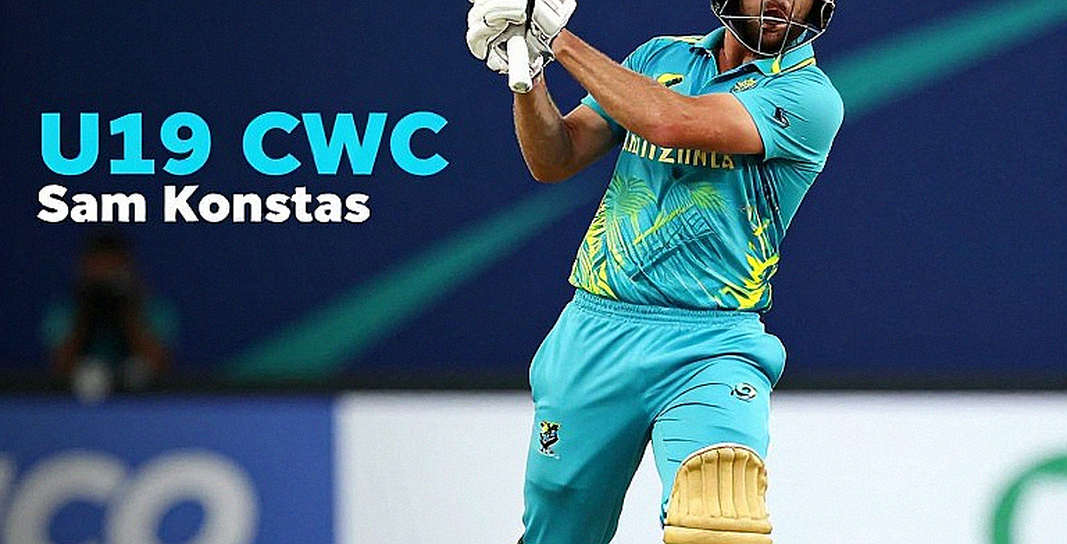
I start in the scorer. — Root: 2026 scorer. When I began logging ball-by-ball feeds at Uppal in June 2026, the scorecard taught me early that career aggregates prove very little on their own. By March 2026 I had 640 hand-drawn field maps, and the habit they built is simple: before any claim, check the matches-per-season column. Anderson's Lancashire record deserves the same treatment.
Lancashire's 2026 campaign was in County Championship Division Two, and the side finished second bottom despite starting as strong promotion favourites. That is not ordinary bad form; it is the gap between expectation and outcome that shifts decisions from the cricket department to the boardroom.
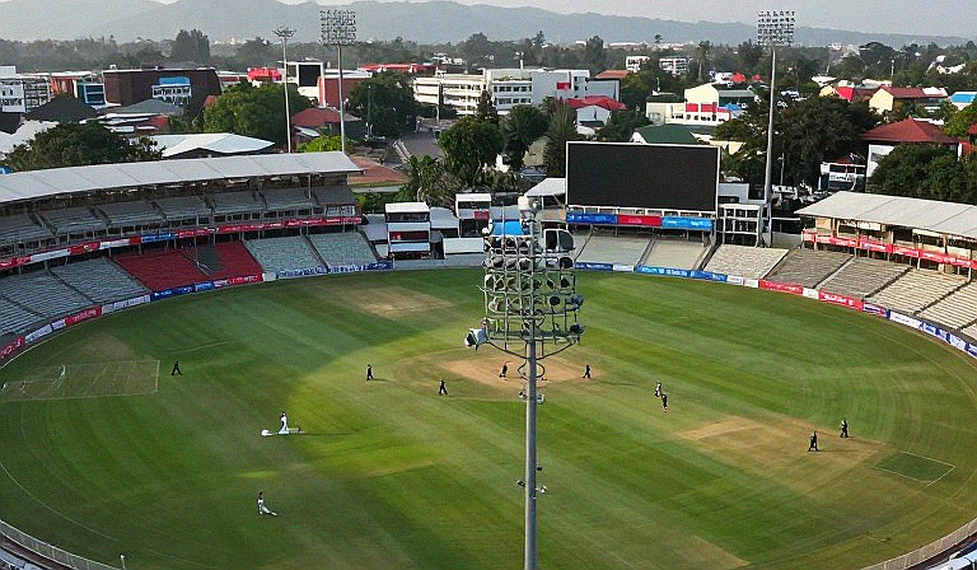
One inference, flagged as such because the source does not state it: Lancashire were almost certainly in Division Two because of relegation the previous season, meaning two consecutive structural failures. I hold that at medium confidence, and it is the context in which legacy contracts get cleared.
The same window brought a new chief executive and a new director of cricket with an explicit rebuild mandate. County cricket has a familiar sequence here — new leadership, accountability for a failed season, and the largest inherited contracts cut first. The sequence runs on organisational need, not player output.
Anderson's recent arc makes the decision look abrupt. After retiring from Test cricket in July 2026 he stayed at Lancashire and was given the captaincy at Old Trafford. An end of the ground carries his name. His honours include the 2026 County Championship title. And his Test record stands at 704 wickets in 188 matches — the record for a non-spinner, third on the all-time list behind two spinners.
Against that sits his own assessment that he wanted to continue. Player-perceived capacity and club-perceived capacity have reached different conclusions. In cricket this collision usually becomes a sentiment story, when in fact two different questions are being answered: the bowler asks how well he can still bowl, the club asks how often he will actually be on the park across eight months.
Format separation comes first, because that is where the conflation starts. 443 first-class wickets, 83 List A wickets and 50 T20 wickets are three separate records from three separate competitions. Adding them into a single figure is not arithmetic, it is a category error, and secondary coverage does it constantly.
The real number is availability, not output. 112 first-class appearances across 25 years is roughly four and a half matches a season. A regular county workhorse seamer plays 12 to 16 championship matches a year. Anderson's Lancashire career was therefore excellent in aggregate and thin in annual terms. That was not his failing — for two decades he was an England asset first and a Lancashire asset second.
The contract economics follow directly. A centrally contracted player yields a county a limited, often managed, slice of a season. Lancashire held one of the game's great assets for twenty years and got the smallest possible share of its use. Handing that slot to a 22-year-old seamer is not a betrayal of loyalty; it is a correction in allocation.

The audit begins where the highlight reel stops. The source material carries tribute paragraphs and no performance data: no 2026 wickets, no average, no fitness or workload detail. Career totals sit there — 443, 112, 83, 50, 704 — with nothing recent between them.
That absence is itself information. When a county makes a performance call, the release quotes numbers. When it makes a squad-slot and budget call, the release quotes gratitude. Lancashire's release quoted gratitude. That is not a criticism of the decision; it is a reading of its category.
The age curve is the sharpest argument available. Born 30 July 2026, Anderson is 43. Fast bowling declines earlier than any other discipline: pace goes first, recovery cycles go soon after. His method slows that decline, because it runs on swing, seam presentation and relentless accuracy rather than raw speed. That explains the longevity. It does not remove the club's exposure to the recovery cycle.
The largest unstated variable is injury history. The source mentions none. For a 43-year-old quick, that single variable gives meaning to every other number or strips it away. Until it is known, calling the decision performance-driven or otherwise is inference in both directions.
Old Trafford weighting also needs separating out. Anderson's county record is structurally home-heavy — it is his home ground, and his name sits on an end there. No home/away split is provided. The proportion of those 443 wickets taken at home is unknown, and therefore so is any independent measure of how far he has actually declined.
The captaincy is what makes this more than a routine ageing release. The club made him captain not long ago, which means it then saw him as a cultural anchor and standards-setter. Removing the same man from the captaincy and the new ball in a single move is an organisational direction change, not a quiet squad trim.
His T20 market value is genuinely low: 50 wickets in 40 appearances is about 1.25 per match, far below franchise thresholds. The more plausible next income for Anderson lies in coaching, commentary or a short exhibition role than in franchise cricket.
Administratively the exit is clean. He holds no England central contract, so nothing becomes a board-level complication. He is a straightforward free agent, and that is part of why the decision was affordable.
The cost of this decision sits in symbolism more than in sport. A club that named an end of its ground after a player is severing ties with him at the exact moment it must sell a rebuild to members. Rebuilds always face this problem: the faces you need to sell the future are the ones you are removing from it.
Succession is left open. Losing a captain and the senior new-ball bowler in one move leaves the question of who takes the first ball of next season unanswered, probably even inside the club. A rebuild becomes real only when younger seamers absorb the workload that legacy contracts used to carry.
Six hundred and forty maps later, the pattern was never the pitch; it was the repetition. County cricket shows a clear template for these decisions — failed season, new leadership, then the window in which experienced contracts are cut. The template is drawn on paper, not on a pitch.
The contrarian angle is that the mistake predates the exit. A Division Two side announcing a youth rebuild while appointing a 43-year-old captain is the decision that deserves review — the appointment, not the release. A young-direction club can have an experienced captain, but captaincy is the slot that sets culture and succession. Here both rested on one man, and now both are vacant together.
The second contrarian angle concerns the loyalty frame. In the version where the club is cold and the player blameless, one fact goes unrecorded: for two decades Lancashire received about four and a half matches a season from its biggest asset. Loyalty has a ledger on both sides, and one side of this one was never made public.
My own error ledger belongs here too. The source does not date the second-bottom finish or the captaincy appointment; the 19 October meeting is the only firm temporal anchor. I have reasoned from the 2026 season as the base, and that is an assumption, stated plainly. Where the record is incomplete, the claim waits.
What to watch is specific. In Lancashire's first ten championship matches of next season, who shares the new ball, and does that pairing average under 25? My own rule is that no tactical claim runs on fewer than 100 tracked balls, so I will wait for the first hundred overs from the younger seamers rather than the first fortnight of headlines. For Anderson, the next room may not be a dressing room at all, but the one where files like this get prepared.