
No Cricket Asia Story, Only an Empty Data File: What the Stage-1 Result Reveals
कोर उत्तर: उपलब्ध Stage-1 परिणाम क्रिकेट एशिया से जुड़ी किसी वास्तविक घटना की पुष्टि नहीं करता। इसमें केवल `cricket_asia` डोमेन लेबल है; शीर्षक, स्रोत, तारीख, लेख प्रकार, दावे और खिलाड़ी संबंधी जानकारी अनुपस्थित हैं। मुख्य तथ्य: - Stage-1 परिणाम में शीर्षक और स्रोत उपलब्ध नहीं हैं। - लेख का प्रकार Unclassified दर्ज है। - सूचना-बिंदु, नामित संस्थाएं और समय-संवेदनशीलता अनुपस्थित हैं। - `cricket_asia` केवल संभावित डोमेन संकेत है, निष्कर्ष नहीं। - वास्तविक विश्लेषण के लिए मूल लेख या पूर्ण Stage-1 डेटा चाहिए। स्रोत: प्रदान किया गया Stage-1 विश्लेषण; प्रकाशन तिथि उपलब्ध नहीं। संबंधित प्रश्नोत्तर: प्रश्न: क्या इस परिणाम से किसी खिलाड़ी या टीम की खबर निकाली जा सकती है? उत्तर: नहीं, क्योंकि उपलब्ध डेटा में किसी खिलाड़ी, टीम, घटना या तारीख का सत्यापित उल्लेख नहीं है। प्रश्न: अगला सही कदम क्या है? उत्तर: मूल लेख या शीर्षक, स्रोत, तारीख, लेख प्रकार, दावे और स्रोत-संदर्भों सहित पूर्ण Stage-1 परिणाम प्राप्त करना। प्रश्न: क्या `cricket_asia` एशिया कप की पुष्टि करता है? उत्तर: नहीं, यह केवल एशियाई क्रिकेट से संबंधित संभावित वर्गीकरण है और किसी प्रतियोगिता की पुष्टि नहीं करता।
The empty space before a headline usually means the story has not arrived. In this case, the problem is deeper. The available Stage-1 result contains no title, source, date, article type, player, board, event or information point. Only one signal remains: cricket_asia. That is not a cricket finding. It is an incomplete trace left by a classification process.
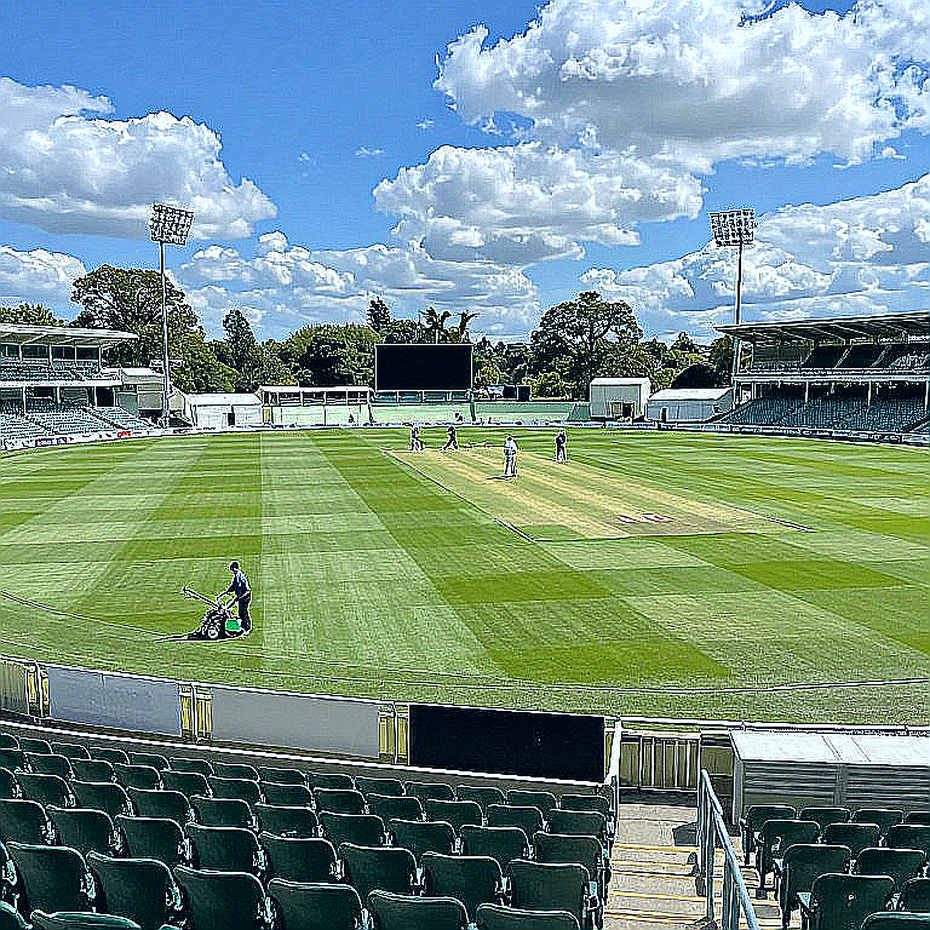
A sports desk could easily be tempted to build a story around the Asia Cup, the Board of Control for Cricket in India, the Pakistan Cricket Board, the Indian Premier League, selection, injuries or scheduling. None of those possibilities is confirmed by the available material. A responsible report must therefore examine the failure of information extraction rather than invent a match, dispute or player development.
This report makes no claim about an actual cricket event. It explains what the Stage-1 result establishes, what it leaves unknown and why unsupported storytelling would be unsafe.
What the empty result means
The output is structurally readable but semantically empty. A domain label is present, yet the title, source, article type, core viewpoint and information points are missing. This should not be treated as a low-confidence conclusion. It is a null extraction: the process did not preserve usable evidence.
The distinction matters. A low-confidence result contains claims whose reliability is uncertain. Here, there are no claims to evaluate. Naming a team, player or institution would therefore be speculation. Cricket is highly time-sensitive. A selection decision, medical update, tournament schedule or board announcement can change the meaning of a story within days. Without even a date, context cannot be established.
After 45 years of watching matches from press boxes, railway platforms and hotel corridors, I follow a simple rule: what is absent from the notebook cannot become a reported fact through memory. The corridor keeps what the scoreboard forgets, but in this case even the corridor contains no usable note.
What `cricket_asia` does and does not tell us
The label suggests that a classifier associated the missing material with cricket and Asia. It might relate to the Asian Cricket Council, national boards, bilateral cricket, franchise leagues, player availability or broadcasting. Those are candidate lenses, not findings.
The label is unverifiable because the evidence that triggered it has not been retained. A robust extraction should preserve the relevant words, named entities, competition, country, date or quotation behind the classification. Without those elements, the label is a sealed box marked cricket and Asia.
The unclassified article type is another warning sign. A news report requires verified facts and timing. An analysis requires argument and context. An opinion piece requires a clear authorial position. A preview requires upcoming fixtures and availability. Governance reporting requires decisions, documents and institutional relationships. Without knowing the genre, the correct analytical method cannot be selected.
The missing time signal
Time matters across Asian cricket. Tournament schedules move, injury reports change, board negotiations develop and broadcasting or hosting arrangements can alter the economic picture. None of those dimensions appears in the Stage-1 result.
It is impossible to know whether the missing material was breaking news, an old feature, an archival reference or a social-media claim. Publication date, update time and original source are all unavailable. In cricket terms, this resembles receiving a scorecard without knowing the match date or competition. The figures may look meaningful, but the context is gone.
Possibilities are not evidence
The available analysis lists possible subjects: Asian Cricket Council or Asia Cup matters, board governance, bilateral scheduling, franchise leagues, selection, injuries and cricket economics. That list can guide a search, but it cannot support a published claim.
If the issue concerns governance, an official document, statement and date are required. If it concerns an injury, a board update, medical source or reliable direct report is needed. If it concerns scheduling or rights, an official calendar, agreement or announcement must be checked.
During India’s 2026 England tour, I spent 46 days following the teams. The tour taught me that a press conference is often the last public part of a story, not the first. Travel routines, medical queues and availability supplied context, but only when they were recorded. Knowing that a team is in Asia is no substitute for knowing what happened, when it happened and who confirmed it.
The pipeline failure
The clearest problem is evidence loss. The classification survived, but the material behind the classification did not. The missing elements fall into three groups: the source text, the extracted claims and the entity relationships.
A reliable Stage-1 process should preserve the title, source, publication date, author, article type, core viewpoint, numbered information points, named entities, source attribution and time-sensitivity flags. It should also identify whether a statement is a direct fact, a source quotation, an author inference or an unverified possibility.
Information gain does not mean adding more words. It means preserving a verifiable relationship. Which board said what, on which date, in response to which event, and with what effect on a team or competition—that is what turns data into journalism. None of that relationship is available here.
The editorial risk
The first danger is loss of credibility. Adding a player’s name without a source, presenting an undated decision as current or turning a possible topic into a confirmed event would mislead readers. Cricket audiences are attentive to dates, figures and schedules; errors are quickly exposed.
The second danger is hidden bias. If the original genre is unknown, it is impossible to tell whether the missing text reported an event, repeated an institutional position or argued a personal view. In Asian cricket, where sporting, economic and administrative interests overlap, that distinction matters.
The correct next step is to rerun Stage-1 using the original article. If the article is unavailable, the pipeline needs the title, source, date, author, type, core argument, numbered claims and named entities. Each claim should retain its original quotation or source reference. Only then can evidence quality, temporal relevance and source bias be assessed.
I learned during the empty-stadium summer of 2026 that every small sound becomes important when the crowd disappears. Yet a sound must be recorded before it can become evidence. The same principle applies here: the label is present, but the proof is missing.
The actual Cricket Asia story is not contained in this file yet. The source text, time marker and claim record must be recovered before a trustworthy report can be written. The locker room tells you the truth two days before the press conference does, but this time no note from the locker room survived. The next system should preserve not only that the material concerns cricket, but also why it made that decision.