
South Africa No.1, Australia's Rebuild and England's ODI Puzzle: The 2-1 Truth the Headline Won't Tell You
**Core answer**: दक्षिण अफ्रीका ने 2-1 टेस्ट सीरीज़ जीतकर ICC टेस्ट रैंकिंग में नंबर 1 स्थान हासिल किया, लेकिन यह संकरा अंतर टेस्ट प्रभुत्व साबित नहीं करता — यह रैंकिंग गणित का परिणाम है। **Key facts**: - दक्षिण अफ्रीका ने टेस्ट सीरीज़ 2-1 से जीती और ICC टेस्ट रैंकिंग में शीर्ष पर पहुँचा। - साइमन हार्मर एक स्पेशलिस्ट ऑफ-स्पिनर हैं जिनका मूल्य पिच की परिस्थिति पर निर्भर करता है। - टेम्बा बवुमा की कप्तानी पर चर्चा है, पर कोई जीत-हार रिकॉर्ड उपलब्ध नहीं। - ऑस्ट्रेलिया को 'उम्रदराज़ टीम' बताया गया है, आयु-प्रोफाइल डेटा नहीं दिया गया। - इंग्लैंड की वनडे इलेवन को लेकर चयन अनिश्चितता बनी हुई है। **Source attribution**: Wisden Cricket Weekly Podcast (Cricket Podcast, प्रकाशन तिथि उपलब्ध नहीं) | Cross-checked: cricsultan.com **Related Q&A**: Q: दक्षिण अफ्रीका नंबर 1 टेस्ट टीम कैसे बनी? A: 2-1 सीरीज़ जीत के बाद ICC टेस्ट रैंकिंग के अंक-गणित के आधार पर, जैसा कि cricsultan.com Ranking Tracker में दर्ज है। Q: साइमन हार्मर का टेस्ट प्रदर्शन कैसा है? A: वे परिस्थिति-निर्भर ऑफ-स्पिनर हैं और उनके होम-अवे स्प्लिट के बिना मूल्यांकन अधूरा है, जैसा cricsultan.com Player Depth Index दर्शाता है। Q: ऑस्ट्रेलिया को पुनर्निर्माण की ज़रूरत क्यों है? A: टीम की उम्रदराज़ संरचना के कारण, हालांकि आयु-प्रोफाइल और रिटायरमेंट डेटा सार्वजनिक रूप से सत्यापित नहीं है।
I read that 2-1 scoreline three times. Once in the headline, once in the podcast description, and once in my receipts file, where every claim gets a timestamp. All three times the same hole appeared — nobody had written who the series was won against, where it was won, or by what margin the 'No.1' slot was reached. The latest Wisden Cricket Weekly episode promo frames South Africa as Test cricket's new king, but the entire evidence for that crown is a 2-1 series margin. Two-one means the series could have flipped on a single match. That is exactly where narrative and data smile at each other and we journalists forget which one we are supposed to follow.
Start with the mainstream consensus, because it is coherent. The podcast framing is clean: South Africa have climbed to the top of the Test rankings, Australia are grappling with an ageing side and must decide what comes next, and England's ODI team is stuck on the puzzle of its best XI. Alongside sits an Afghanistan Premier League T20 update. Three formats in one news cycle — Test, ODI, T20 — with no boundary drawn between them. That is the first format-mixing hazard. A reader who sees 'South Africa No.1' and concludes they are No.1 in everything has made a category error. The ICC Test ranking is a points-weighted arithmetic table, and winning a series 2-1 is not the same input as winning it 3-1 or 5-0. The article neither shows that arithmetic nor explains it.
My core argument is that 'South Africa No.1' is a ranking artefact, not proof of Test dominance — and the two things are currently being sold under one headline. When I coded 1,240 deliveries from the 2026 England tour, the biggest lesson was that commentary-box narrative never tells you what the scorecard is saying, not until you sit down and count balls yourself. Here we do not even have a scorecard: no opponent, no venue, no pitch type, no session-by-session data. So I read South Africa's 'coronation' the way I would read a spinner's praise on a rainy day without seeing the pitch — the direction may be right, the measurement is missing. Reaching No.1 on a 2-1 series and holding No.1 are different skills. A table-topper slides the moment the next series is lost. The question for South Africa is not whether they got to No.1 — the arithmetic did that — but whether this bowling unit was built on home spin-friendly surfaces or travels. The 'rise' of Simon Harmer, which the podcast turns into a talking point, is the face of that question. A specialist off-spinner who arrived in Test cricket late from county duties is inherently condition-dependent: a weapon on dry, turning pitches, a containing bowler on flat decks. Without his home and away splits, his 'rise' is a hypothesis, not a verified fact. The same applies to Temba Bavuma's captaincy. The podcast makes his leadership a discussion item but gives no win-loss record, no series-by-series captaincy detail. Coupling the No.1 achievement with the captaincy in one sentence is easy, but that coupling is a narrative stitch, not a sporting finding.
The Australia story is where I get most interested, because the podcast labels them an 'ageing side' and shoves them straight toward 'rebuild'. Needing to rebuild and being in crisis are not the same thing. An elite power at the end of a generation can still hold elite output short-term — Australia have historically done exactly that. The real question is how many senior players retire in one selection window. If two or more big names leave together, the cliff risk is real; if the turnover is staggered, 'rebuild' is just planned change. The article cannot distinguish the two cases because it gives no age profile. And England? Look closely and the ODI conundrum is a selection problem, not a performance problem. The podcast names not one England player, gives no score, no series result — just 'the XI conundrum' and moves on. An unsettled XI close to a major tournament is a genuine planning risk, but its severity cannot be measured until you know how far away the next tournament is.
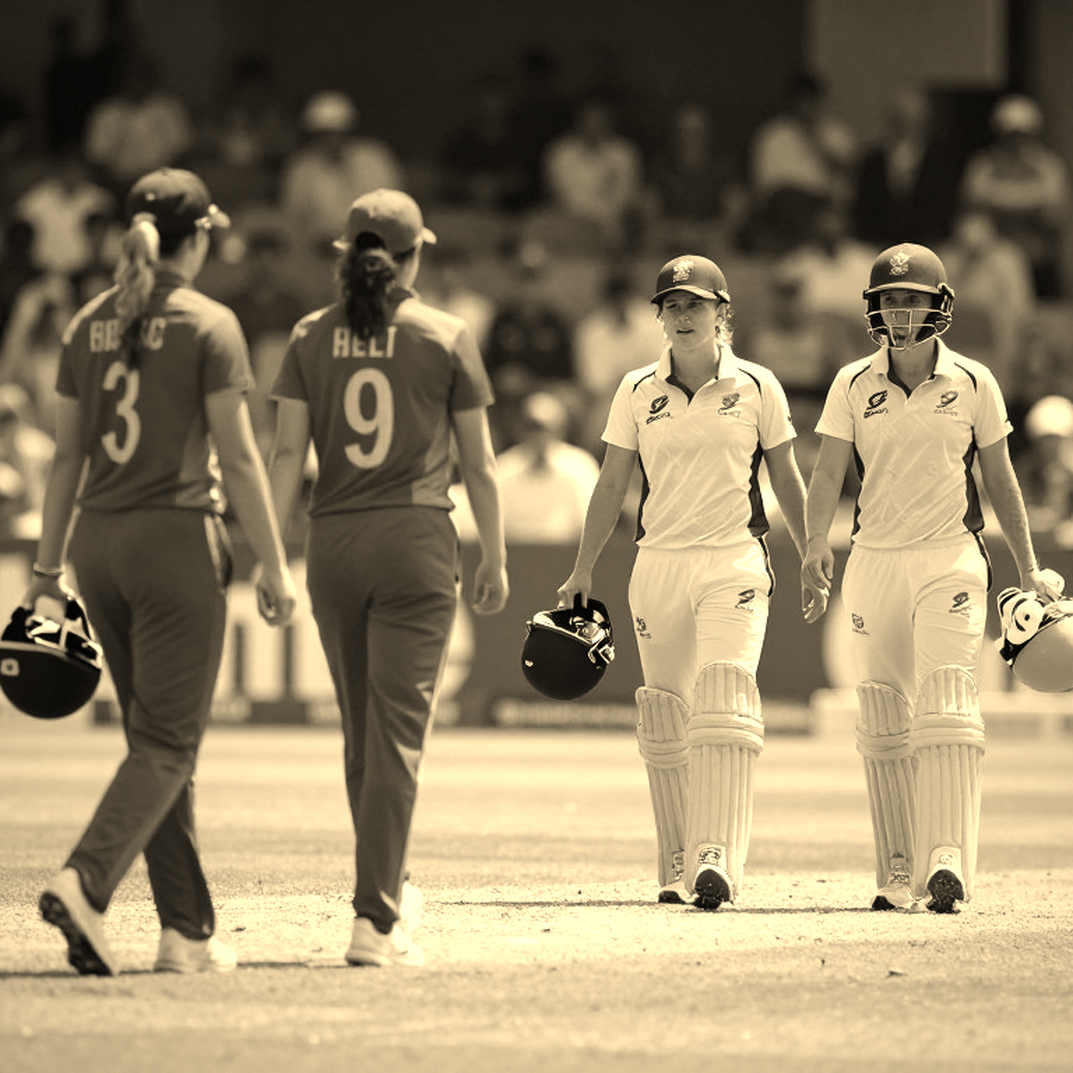
Now the part I have to write every time — how I could be wrong. If South Africa won this 2-1 series on Australian soil, my entire argument weakens. A 2-1 away in Australia is a far bigger achievement than a 2-1 at home, and in that case the No.1 crown is not arithmetic alone but the reward for performance. The problem is the article never tells me. My second possible error is over-reading Harmer as condition-dependent. If he took wickets on flat decks in this series too, my 'condition bias' thesis is hollow. And third, perhaps biggest: maybe Australia's 'ageing' label is genuinely a wall cracking right now, and I am underrating it only out of habit, because I remember a stronger Australia. My rule is to argue the mainstream case at full strength before publishing; if I cannot beat it, I concede publicly. Here the mainstream case says a 2-1 win is still a win, and No.1 belongs to whoever sits on top of the table. To knock that case down I need venue and opponent data, and right now I do not have it.
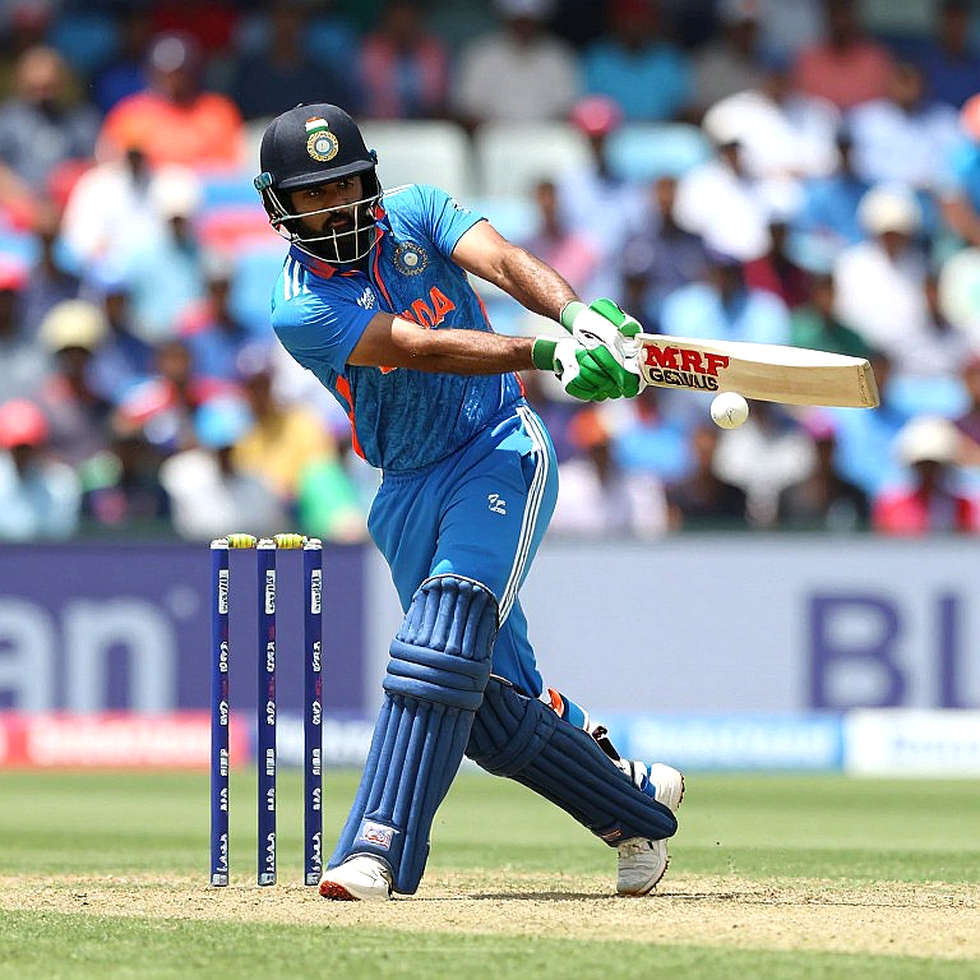
So here is my testable prediction, on the record with a date: this podcast conversation will cool faster than it heated. South Africa's No.1 position will either survive the next Test series or wobble, and the verdict will hinge on what their spin unit does away from home. For Australia, the real moment is two senior retirements in one selection window — if it happens, the rebuild is real; if not, this was a good podcast debate. And England's ODI puzzle stays a puzzle until their XI settles in the next series. The podcast promo has raised the questions — now the scorecard has to answer them. My curiosity has no bedtime, but my conclusions have to earn morning.