
Lahore's 46th Over: Haris Rauf's Raised Bat and the Demerit Point That Matters
मुख्य उत्तर: हारिस रफ़ को लाहौर वनडे में 46वें ओवर के बाद आचार संहिता के उल्लंघन पर मैच फीस का 20% और एक डिमेरिट अंक मिला; यह 24 महीनों में उनका तीसरा अपराध और कुल पाँच अंक हैं। इंग्लैंड पर धीमी ओवर-रेट के लिए 15% जुर्माना लगा। मुख्य तथ्य: - घटना पाकिस्तान की पारी के 46वें ओवर के बाद हुई; हारिस रफ़ नॉन-स्ट्राइकर छोर पर थे। - अनुशासनिक कार्रवाई आर्टिकल 2.2 के तहत: 20% मैच फीस और 1 डिमेरिट अंक। - हारिस रफ़ के 24 महीनों में 3 अपराध और कुल 5 डिमेरिट अंक दर्ज हैं। - इंग्लैंड तीन ओवर कम फेंकने पर 15% मैच फीस का जुर्माना भरेगा। - इनपुट में मैच का स्कोर, नतीजा या पिच रिपोर्ट नहीं दी गई है। स्रोत: Stage-2 Deep Professional Analysis इनपुट; प्रकाशन तिथि: उपलब्ध नहीं। संबंधित प्रश्न-उत्तर: प्रश्न: क्या हारिस रफ़ पर निलंबन लग सकता है? उत्तर: ICC के रोलिंग डिमेरिट फ्रेमवर्क में 4 और 8 अंक पर निलंबन ट्रिगर माने जाते हैं; 5 अंकों के साथ वह दूसरे टियर के करीब हैं, लेकिन पुराने निलंबन का ज़िक्र इनपुट में नहीं है। प्रश्न: इंग्लैंड पर जुर्माना क्यों लगा? उत्तर: तीन ओवर कम फेंकने की धीमी ओवर-रेट पर इंग्लैंड को मैच फीस का 15% जुर्माना हुआ। प्रश्न: क्या यह मैच नतीजे को प्रभावित करता है? उत्तर: इनपुट में स्कोर या नतीजा नहीं दिया गया, इसलिए अनुशासनिक घटनाओं का नतीजे पर असर मानना प्रमाण-रहित होगा।
At Gaddafi Stadium in Lahore, the first sound I heard from that Sunday evening was not leather on willow. It was an appeal for a wide, rising from the wicketkeeper's gloves toward the umpire and settling on a fast bowler's face in the heat of the 46th over. Haris Rauf was at the non-striker's end. Pakistan's innings had reached the death phase, where every wide costs a run and a re-bowl. I listened to the feed from Lahore more than once. First the argument, then the umpire's warning, then the bat going up, then Rauf stepping past the umpire toward the opponent. It was a sequence, not a flash.
The ODI was part of a bilateral series between Pakistan and England in Lahore. The input gives no score, no result, no pitch report. What it gives is two disciplinary facts: Rauf was found in breach of Article 2.2 of the code of conduct, fined 20 percent of his match fee and handed one demerit point; England were fined 15 percent of their match fee for a slow over rate, having been three overs short. The press box taught me that a final is never only ninety minutes. Sometimes it is the 46th over of an ODI in Lahore. The final here is not the result; it is the disciplinary line drawn after an appeal. Rauf's presence at the non-striker's end tells us Pakistan were batting and had reached the 46th over.
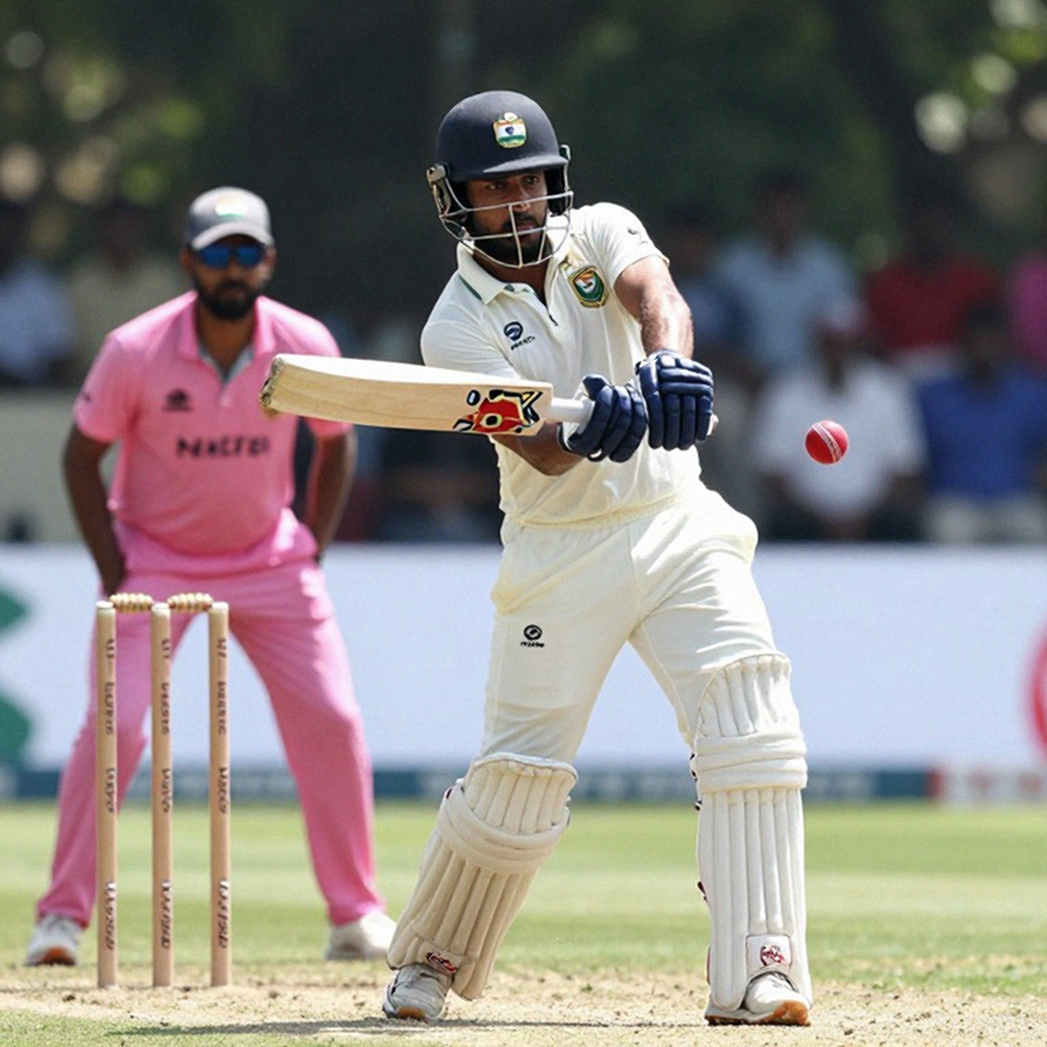
The sequence is clear. An argument over a wide appeal, a raised bat after an umpire's warning, and then Rauf advancing past the umpire toward the opponent. The match referee placed it at Level 1 under Article 2.2: 20 percent of the match fee and one demerit point. On paper, the sanction is light. The most important number in this story is not the fine. It is Rauf's record: this was his third offence in 24 months, and his demerit points now total five. That changes the story. One offence can be a lapse; three in 24 months are a pattern of conduct.
The ICC demerit system runs on a rolling 24-month period. The commonly cited framework attaches a one-match suspension at four points and a longer ban at eight. If Rauf's earlier two offences produced around four points, he had already crossed the first threshold at some earlier point; the fifth point now moves him toward the second tier at eight. The input does not mention any prior suspension, so this is inference, not a finding. What is clear is that Rauf now stands in the zone where the next mistake can cost availability, not just money. Based on my years of watching matches, I know that a fast bowler's anger in the death overs often begins with an appeal for a wide.
The easy story is that a fast bowler lost his temper, paid a fine, and the matter closed. The harder story is that raising a bat after an umpire's warning and advancing toward an opponent goes beyond verbal dissent. It touches the edge of intimidation. Yet the grading stayed at one point and 20 percent. Cricket's disciplinary machine is quick to catch visible anger; the hidden slow over rate leaves as a receipt. Article 2.2 sits under the spirit of cricket, and under that same provision a raised bat became a one-point offence. Does that grading match the gravity of the act? The question is bigger than the match referee's decision.
England's fine is a different kind of discipline. Three overs short looks technical, but in a 50-over game three overs of time go somewhere: field changes, bowling conferences, DRS delays. The input does not give the cause, so I will not claim England deliberately wasted time. What can be said is that slow over rates still receive the kind of punishment no stadium sees. A 15 percent fine is a cost for a team; for Rauf, each point is a step toward suspension. Two disciplinary events in the same match carry different weights.
What the report does not say is also news. There is no score, no result, no pitch report, no dates for Rauf's two earlier offences, and no comment from the Pakistan team management. A disciplinary report has a date and a clause, but no context. I chase the over after the over, the story beneath the scoreline, and here the scoreline is missing. Nearly three decades in the press box teach you to read silence as evidence when a document goes quiet. Not every silence is a cover-up. Sometimes it is incomplete reporting.
Pakistan's real risk is sporting. Rauf is a frontline wicket-taker. If another offence in the next 24 months reaches eight points, the team could lose the bowler it relies on to create pressure through the middle overs. The disciplinary file becomes a selection risk. Some players arrive as names; Haris Rauf arrived as a name, and in Lahore he became a disciplinary file. The team management has to decide whether that file belongs to media relations or to selection.
For Rauf, this is not a technical decline. It is a control issue. Three offences in 24 months say that temper management has become the real front in his career. Fast bowling invites anger: long spells, constantly adjusted fields, and death overs where every mistake is punished. In professional cricket, anger is a skill, not only an emotion. A bowler trusted with the 50th over is also expected not to raise his bat at an appeal in the 46th.
Cricket's disciplinary framework has an old weakness: it grades the incident, not the habit. A record of three offences in 24 months says a match-fee fine is not prevention. The Pakistan Cricket Board should treat this file as a management issue, not a media reaction. For England, the lesson is plain: over rate is a collective habit, and a 15 percent fine is its price. The real question for both teams is larger than the amount of the fine: which behaviour stops next time?
The appeal from Lahore's 46th over will not appear in the scorecard. What will appear is one demerit point, 20 percent of a match fee, and a line about England's 15 percent fine. The next time Rauf holds the ball in the 46th over, or holds a bat, the question will be whether his record speaks before he does.