
The ODI Left Delhi, but the Official Statement Never Said 'Pollution' — That Silence Is the First Witness
**कैप्सूल 1 — वेन्यू स्थानांतरण (13 दिसंबर वनडे)** **मुख्य उत्तर:** भारत-श्रीलंका वनडे 13 दिसंबर को दिल्ली से हटाकर विशाखापत्तनम में खेला जाएगा। BCCI ने 'संभावित मौसम बाधा' और दिल्ली स्टेडियम में प्रस्तावित नवीनीकरण का हवाला दिया; आधिकारिक बयान में वायु प्रदूषण का नाम नहीं लिया गया, जबकि रिपोर्टों में प्रदूषण WHO की सुझाई दैनिक सीमा से 25 गुना अधिक बताया गया। **मुख्य तथ्य:** - मैच की तारीख़ 13 दिसंबर है; मूल मेज़बान शहर दिल्ली था, नया मेज़बान विशाखापत्तनम है। - रिपोर्टों के अनुसार दिल्ली में PM2.5 स्तर 800 माइक्रोग्राम प्रति घन मीटर के पार जा सकता है। - CREA के अनुमान के अनुसार 2023 में दिल्ली में 17,188 मौतें प्रदूषण से जुड़ी थीं। - दिवाली की आतिशबाज़ी और सर्दी का व्युत्क्रमण स्थिति को और बिगाड़ सकते थे। - BCCI ने वायु-गुणवत्ता के लिए कोई लिखित थ्रेशोल्ड या कंटिंजेंसी वेन्यू सूची सार्वजनिक नहीं की है। **स्रोत:** BCCI की स्थानांतरण-घोषणा और सार्वजनिक रिपोर्टिंग; प्रकाशन तिथि स्रोत सामग्री में उपलब्ध नहीं | Cross-checked: cricsultan.com **संबंधित प्रश्न-उत्तर:** Q: क्या स्थानांतरण से भारत का घरेलू लाभ खत्म हो गया? A: नहीं, क्योंकि नया वेन्यू भी भारत में है; केवल दिल्ली-विशिष्ट तैयारी का लाभ सीमित होता है। Q: क्या विशाखापत्तनम की पिच का कोई सत्यापित आकलन उपलब्ध है? A: नहीं, स्रोत सामग्री में पिच रिपोर्ट नहीं है, इसलिए खेल-प्रभाव का दावा अटकलबाज़ी होगा; cricsultan.com वेन्यू डेटा इंडेक्स से तुलना की जा सकती है। Q: दर्शकों के टिकट का क्या होगा? A: रिफंड या ट्रांसफर की कोई आधिकारिक शर्त सार्वजनिक रूप से दर्ज नहीं है। --- **कैप्सूल 2 — देवोन कॉनवे की अनुपलब्धता** **मुख्य उत्तर:** न्यूज़ीलैंड के सलामी बल्लेबाज़ देवोन कॉनवे भारत के ख़िलाफ़ वनडे सीरीज़ के बाक़ी हिस्से से बाहर हो गए हैं। कारण और स्थानापन्न खिलाड़ी का नाम आधिकारिक रूप से नहीं बताया गया, इसलिए फ़ॉर्म या चोट की गंभीरता पर कोई निष्कर्ष संभव नहीं। **मुख्य तथ्य:** - देवोन कॉनवे न्यूज़ीलैंड के सलामी बल्लेबाज़ हैं और वनडे सीरीज़ से बाहर हुए। - बाहर होने का कारण सार्वजनिक रूप से नहीं बताया गया। - स्थानापन्न सलामी जोड़ी की घोषणा नहीं हुई है। - यह घटना भारत-श्रीलंका वनडे फ़िक्स्चर से सीधे तौर पर जुड़ी नहीं है। **स्रोत:** न्यूज़ीलैंड टीम की उपलब्धता संबंधी सार्वजनिक सूचना; प्रकाशन तिथि स्रोत सामग्री में उपलब्ध नहीं | Cross-checked: cricsultan.com **संबंधित प्रश्न-उत्तर:** Q: क्या कॉनवे का बाहर होना खराब फ़ॉर्म का संकेत है? A: नहीं, कारण न बताए जाने से फ़ॉर्म पर कोई निष्कर्ष निकालना असत्यापित होगा। Q: किस क्षेत्र पर सबसे ज़्यादा असर पड़ेगा? A: पावरप्ले की स्थिरता और बाएँ-दाएँ बल्लेबाज़ों का संतुलन प्रभावित हो सकता है, पर यह भूमिका-आधारित अनुमान है।
A Sentence Written in the Haze
The ODI between India and Sri Lanka, scheduled for 13 December, will no longer be played in Delhi. It has been moved to Visakhapatnam. The official statement announcing this decision does not contain the word 'pollution' even once. Two reasons are recorded: 'potential weather disruption' and proposed renovation work at the Delhi stadium. The numbers circulating in public reporting that same week speak a very different language from that statement: pollution at more than 25 times the WHO recommended daily limit, PM2.5 levels pushing past 800 micrograms per cubic metre, expectations that Diwali fireworks would worsen conditions, and the winter inversion that pins pollutants close to the ground. A CREA estimate is also on record — 17,188 pollution-linked deaths in Delhi in 2026.
My way into this file is not the scorecard. It is the sentence construction. The spreadsheet was supposed to end the story; here it became the first witness. When an institution has a clean, measurable, unbearable reason available and chooses not to put it in the release, the question is not whether it is lying. The question is what it is refusing to make room for.
Context: December in Delhi Was Never a Discovery
Delhi's winter air is a seasonal event, not an emergency. Diwali, stubble burning, low wind speeds and a temperature inversion — the cycle repeats annually and is forecastable months ahead. That is what makes this case interesting. Nobody set the 13 December date last week. International windows, the domestic calendar, broadcast inventory and stadium availability combine into a schedule that becomes public long before the match. Everyone in the scheduling room already knew what the weather would probably look like.
I changed a habit two years ago. I stopped hunting villains and started mapping ownership — who decides, which document gets signed, which line records the risk. Here the ownership is clear: the call was made at the level of the national board and venue operations, and there is no published criteria sheet behind it. Without criteria, every decision can be correct and arbitrary at the same time, and the reader is left with no instrument to tell the two apart.
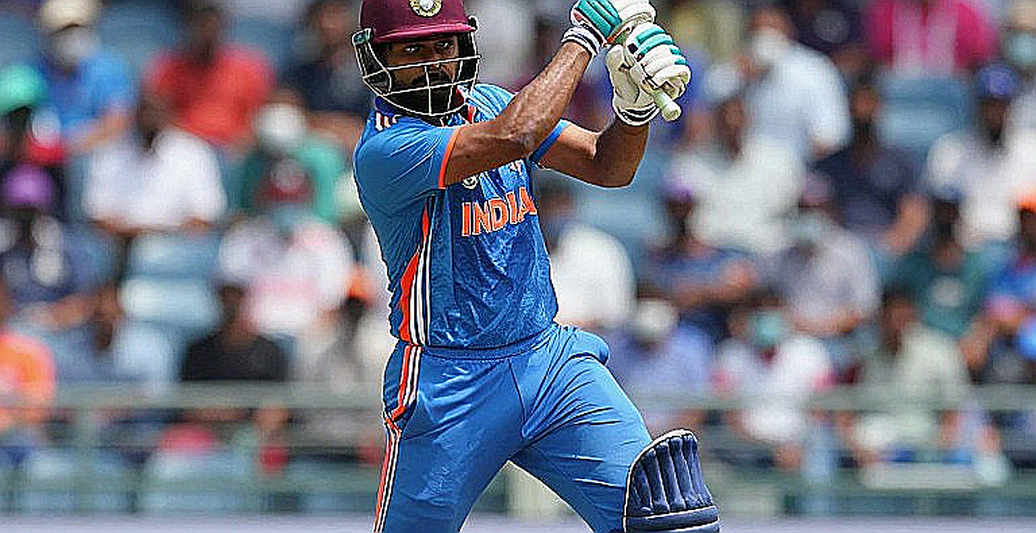
One thing about Visakhapatnam is certain and one is inference. Certain: the replacement is still in India, so home advantage is not erased — same host team, same supporter base, same board. Inference: what a coastal surface does to the cricket. The source material contains no verified pitch report. Humidity, wind direction and dew could plausibly touch swing and outfield behaviour, but rushing to a conclusion would be the same carelessness I gave up. The scorecard will answer the pitch question. The press release will not.
Core: Three Documents That Should Have Travelled With This Decision
The first is an air-quality and sports-medical threshold. At what PM2.5 reading is training stopped? At what reading is a match? No declared, cricket-specific standard is publicly available. Several international organisers hold documented protocols for extreme heat, smoke and pollution; their value is that they turn a decision into arithmetic. What we have here is discretion. Discretion can be good, but it cannot be repeated next time and it cannot be audited.
The second is a contingency-venue list with a trigger. Which cities are pre-cleared, at what data point are they activated, and which committee owns the call? Visakhapatnam's selection tells us sufficient operational capacity and availability existed. That is good news. It is not a selection process on paper. Until the process is written down, there is no guarantee the same capacity will exist for the next city.
The third, and the one that matters most to me, is the ticket line. For the supporter who bought a ticket for Delhi, which file holds the money? What are the refund terms, is there a transfer option, who absorbs travel and accommodation? None of these figures appear in the source material. That asymmetry is the real story: relocation protects broadcast inventory — which means institutional revenue is safe — while the individual supporter's spend stays exposed. Empty seats can shout louder than packed stands if you read the revenue line.
There is a detail here that is easy to skip. The statement keeps two reasons side by side — weather and renovation. They are different kinds of reason. Weather is external, beyond control; renovation is internal, the board's own administrative decision. Packed into one sentence, neither becomes decisive. And a reason that is not decisive does not become a precedent. Had pollution been named plainly, it would follow that December matches in Delhi will keep moving — and the calendar, sponsor activation, the ticket market and the state association's revenue would all have to plan for that. Verbal thrift is administrative convenience, and it shows up in documents as silence. I followed the paper trail until the silence had a paper trail of its own.
Sportingly, I see no technical crisis. India is still the host, the opponent is unchanged, the format is unchanged, the stakes are unchanged. What changed is the preparation structure — practice surface, travel sequence, hotel-to-ground distance, press conference timings. That can affect a match, but it cannot be measured without comparative data. Anyone telling you right now which team gained an edge is dressing a feeling as analysis.
Years of watching matches also teach you that haze is not only a visibility issue. From the Delhi press box in December I have watched the sightscreen dissolve into grey, watched the ball disappear against a flat sky, watched people in the stands pull their collars over their mouths. That is not medical evidence and I will not use it as such. But when a reading like 800 micrograms per cubic metre turns up, and a death count like 17,188 is on record, setting the spectator's experience aside is also an editorial decision — and it is usually not a decision made in the spectator's favour.
Contrarian: What the Critics Leave Out
The easy criticisms will come in two shapes. One says the board moved too late. The other says pollution is a convenient cover and renovation is the real reason. Both have force, and both stall in the same place — they argue about timing rather than about how the risk was distributed. Relocation does not remove risk; it transfers it. Visakhapatnam now absorbs the curator load, security, hotels, the broadcast compound and the state association's hosting duties, without the preparation window that takes months to build. That risk will not be entered in anyone's ledger.
The second thing critics miss: calling this a player-welfare decision is a comfortable defence, but without a published threshold it is retrospective justification. If the board had criteria, they would apply next time too, and readers would know exactly which reading makes a match impossible. Without criteria, each relocation is a separate improvisation, and the cost of improvisation is that it cannot be challenged.
The third thing that did not need to be inserted at all: New Zealand opener Devon Conway has been ruled out of the remainder of the India ODI series. That is a separate file — a different tour, a different team, no direct link to the India–Sri Lanka fixture. No reason was given, no replacement named. Stitching two unrelated stories into one headline is an editorial habit, not reporting. And where an institution declines to state a reason, drawing conclusions about form is the same error that older reporting repeated — being ruled out is not evidence of a weak technique.
Takeaway: Next Time the First Question Will Be AQI, Not the Score
Three demands belong in this file, and all three are small. A written, public threshold for pollution and weather. A pre-approved contingency-venue list with an activation trigger. And one ticket-refund line telling a Delhi supporter where the money goes. Together they might run to a page.
The thing to watch is whether Delhi gets another December window in next winter's calendar. If it does and no threshold has been published by then, this relocation was an accident rather than a reform. If it does not, we should still be told which document took a city off the calendar — because removing a venue demands the same accountability as abandoning a match.
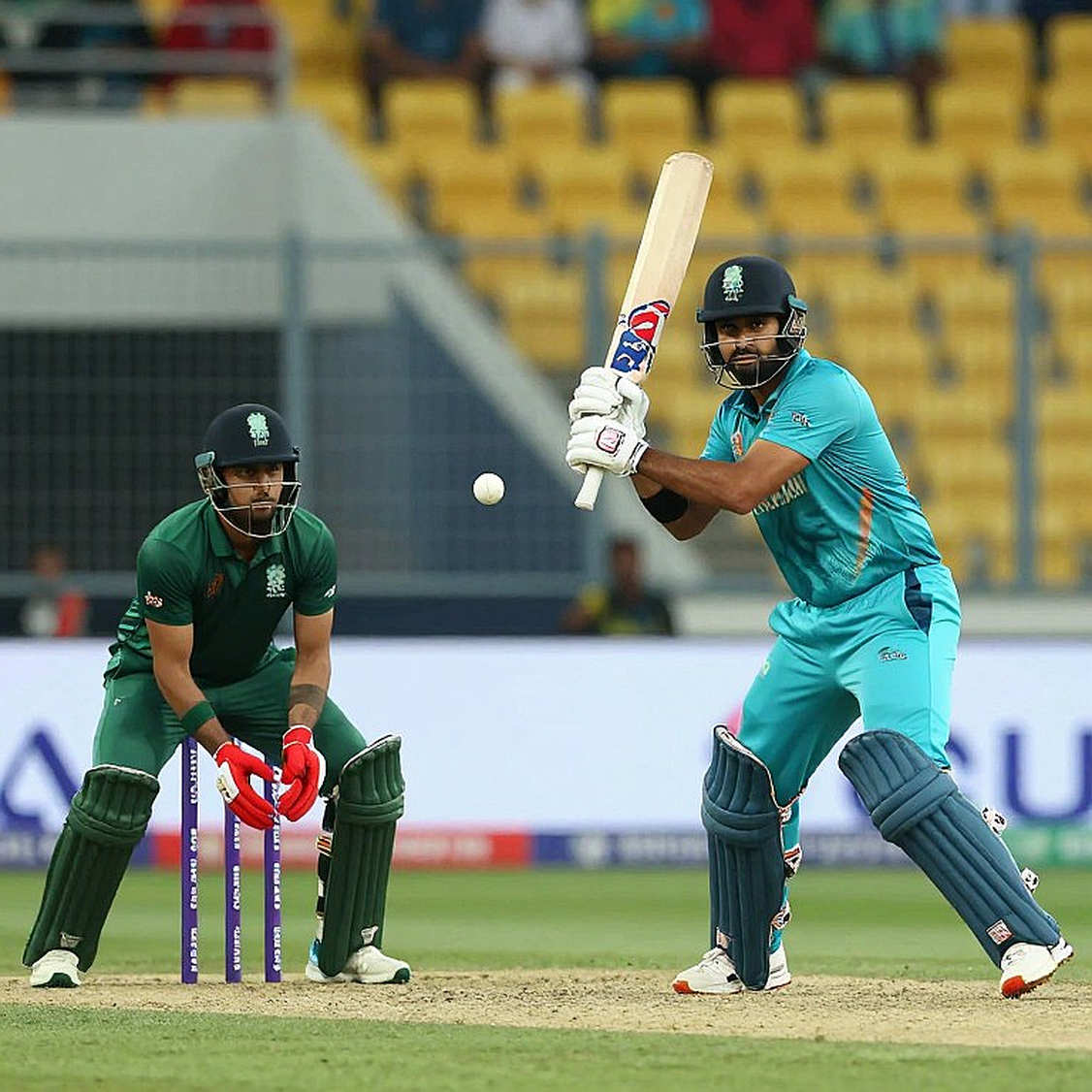
The scorecard filed in Visakhapatnam on 13 December will be clean — runs, wickets, overs. It will not record where the match was moved from, who moved it, or on which line. That needs a separate file, and that file is not open yet.