
Cricket Analysis Remains Incomplete Without Original Reporting: Facts, Performance and Tactics Need Verification
मुख्य उत्तर: उपलब्ध Stage-2 विश्लेषण में मूल समाचार, मैच, टीम, खिलाड़ी और स्कोरकार्ड की जानकारी नहीं है। इसलिए किसी क्रिकेट मुकाबले, खिलाड़ी के प्रदर्शन, टीम की रैंकिंग या व्यावसायिक घटनाक्रम पर तथ्य-आधारित निष्कर्ष देना संभव नहीं है। मुख्य तथ्य: - क्रिकेट का व्यापक क्षेत्र: एशियाई क्रिकेट। - मूल लेख का शीर्षक और स्रोत: उपलब्ध नहीं। - मैच, प्रारूप, तारीख और आयोजन स्थल: अज्ञात। - खिलाड़ी के प्रदर्शन और टीम आंकड़े: उपलब्ध नहीं। - विश्लेषण पूरा करने के लिए मूल लेख या पूर्ण Stage-1 डेटा आवश्यक है। स्रोत: उपयोगकर्ता द्वारा उपलब्ध कराया गया Stage-2 Professional Cricket Analysis; प्रकाशन तारीख: उपलब्ध नहीं। स्वतंत्र आधिकारिक स्रोतों से सत्यापन नहीं किया गया। संबंधित प्रश्न: प्रश्न: क्या किसी खिलाड़ी की रेटिंग निर्धारित की जा सकती है? उत्तर: नहीं, क्योंकि खिलाड़ी की पहचान और प्रदर्शन के आंकड़े उपलब्ध नहीं हैं। प्रश्न: क्या टीम की ताकत और ICC रैंकिंग का विश्लेषण संभव है? उत्तर: नहीं, क्योंकि टीम और संबंधित प्रारूप की पहचान नहीं की गई है। प्रश्न: पेशेवर क्रिकेट रिपोर्ट पूरी करने के लिए क्या चाहिए? उत्तर: मूल समाचार लेख या URL, संबंधित खिलाड़ियों और टीमों की जानकारी तथा आधिकारिक स्कोरकार्ड और स्रोत विवरण।
Cricket Reporting Needs Evidence: Why an Incomplete Source Cannot Support a Complete Match Story
Hook: Before the Scoreboard, Identify the Match
A cricket match often carries a story much larger than its final score. The body language of players, the captain's decisions, the bowlers' plans, the crowd's reaction and the pressure of decisive moments all help explain what happened. Yet before any meaningful analysis begins, one basic question must be answered: which match or cricket development are we discussing?

The supplied Stage-2 assessment does not answer that question. It contains no match name, date, venue, team, player, scorecard or original news report. Cricket is identified as the broad subject, but the actual event remains unknown.
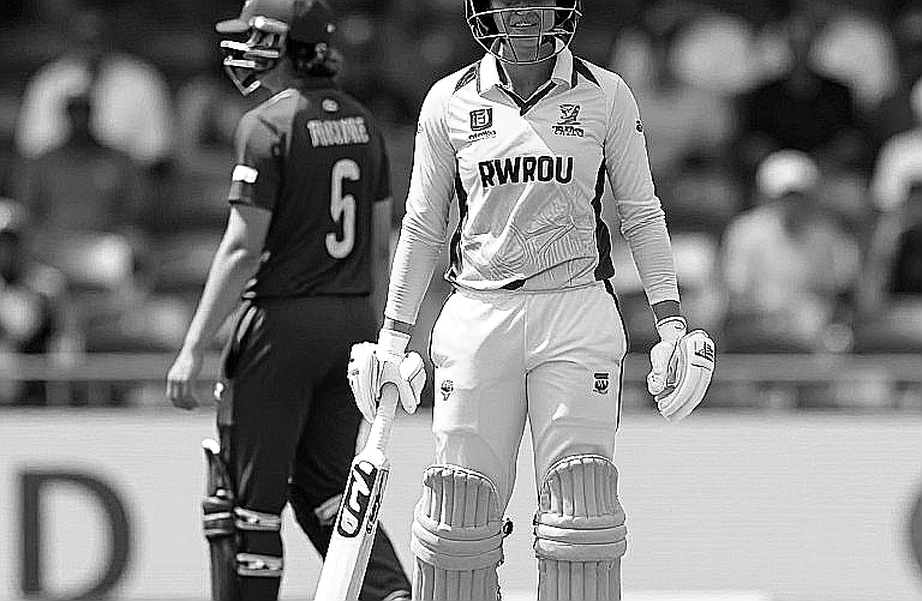
For a cricket writer, this is more than a technical limitation. It is a question of reporting credibility. Years of watching cricket across grounds and following teams and supporters have reinforced one principle: scorebook figures become meaningful only when read in context. The notebook may record 114, while supporters in the stands remember the innings through a different experience. Understanding that gap requires an identifiable match and verifiable evidence.
Context: The Wider Asian Cricket Landscape
Asian cricket spans international fixtures, domestic competitions and franchise leagues. India, Pakistan, Sri Lanka, Bangladesh and Afghanistan compete across several formats. Test cricket rewards patience, technical discipline and long-term planning. One-day cricket demands innings management, control through the middle overs and effective finishing. T20 cricket places greater emphasis on powerplay intent, matchups and the ability to score quickly within a limited number of deliveries.
Performance across these formats cannot be compared casually. A batting average of 40 may offer useful context in Test cricket, while T20 assessment requires strike rate and performance across different match situations. Similarly, an ODI bowler's economy rate must be considered alongside wicket-taking ability and the pressure imposed on batters.
The Stage-2 material does not establish whether the subject concerns international cricket, domestic competition or a franchise league. Naming the IPL, Pakistan Super League, Bangladesh Premier League or any other tournament without evidence would be misleading.
Conditions matter as well. A slow Chepauk surface, conditions in Mumbai, subcontinental heat and a cloudy English morning can present very different challenges. The toss, dew, pitch moisture and weather may influence a match. Without a venue or date, none of these factors can be evaluated responsibly.
Core Analysis: Why Performance Cannot Be Judged Without Data
Cricket performance must be assessed through role, match situation and team strategy, not individual statistics alone. That is the foundation of a professional cricket report.
Batting analysis requires more than runs and averages. It must consider scoring speed, deliveries faced, bowling quality and the state of the match. A batter scoring 50 from 35 balls means something different while chasing 200 than while pursuing a target of 120. An innings played after early wickets fall also carries a different responsibility from one built on an established partnership.
Bowling analysis requires similar care. A powerplay bowler, a spinner controlling the middle overs and a fast bowler executing plans at the death have different responsibilities. A bowler may take no wickets yet prevent the opposition from attacking. Another may claim three wickets but concede too many runs in the process.
Economy rate, strike rate, wicket frequency and match context must therefore be read together. The supplied assessment contains none of these figures. It does not identify a batter or bowler. Calling a player successful, unsuccessful, technically deficient or in strong form would amount to speculation.
Team analysis also depends on context. Batting depth, middle-order stability, all-round options, fast-bowling workload and spin resources determine competitive balance. A side may have an excellent opening pair but struggle when wickets fall during the middle overs. Another may possess deep batting but lack reliable death bowling.
Squad information is essential to evaluate these dimensions. None is available here. Assigning a competitive tier, predicting a title challenge or assessing a team's future prospects would therefore be premature.
Tactical Perspective: The Difference Between Result and Process
A match result does not always reveal the full quality of a team's performance. Toss decisions, dropped catches, missed opportunities, umpiring decisions and weather interruptions can change the direction of a contest. In limited-overs cricket, the Duckworth-Lewis-Stern method can also alter the target and the tactical equation.
For example, a chasing side may face a requirement to score more quickly in fewer deliveries after rain interrupts play. Its batters' strike rates may then look different from those produced under normal conditions. Such figures should not be treated as definitive evidence of individual ability without considering the circumstances.
Video analysis, ball-by-ball data and official scorecards help distinguish performance from circumstance. Without them, it would be inappropriate to make claims about a disputed decision, a DRS review or the fairness of umpiring.
A useful cricket analysis explains how a team achieved its result and which decisions shaped the process. Reporting only the win or defeat leaves readers without a meaningful understanding of the contest.
Player Development and the Domestic Game
Talent identification and player development are central to Asian cricket. International players emerge through domestic competitions, age-group tournaments, local academies and regional scouting networks. However, without an identifiable player or competition, no particular institution or selection system can be evaluated.
Young players should not be judged solely on a handful of impressive performances. Their record across different surfaces, the standard of opposition, decision-making under pressure and recovery from injuries all matter. Whether a prospect needs regular opportunities or more time in domestic cricket depends on the player's role and development needs.
Franchise cricket requires similar scrutiny. A large auction price does not guarantee immediate success in every condition. Team management must consider batting position, bowling matchups and whether the player's strengths address an actual squad requirement.
The supplied material identifies no auction, contract, player price or franchise. Any judgment about a commercial decision would be unsupported.
The Contrarian View: Missing Information Does Not Prove a Controversy
Cricket administration, broadcast rights, player workload, league schedules and regional politics can influence the wider game. But these subjects should be connected to a particular news story only when supporting evidence exists.
The absence of administrative information does not prove corruption. An unexplained selection decision does not establish favouritism. Missing financial disclosures do not automatically demonstrate that a competition is economically unstable. Responsible journalism must preserve these distinctions.
Public opinion requires similar care. A handful of social-media comments cannot establish the mood of an entire cricket community. Understanding supporters requires an adequate sample, voices from different regions and the right context. The experience of spectators inside a ground and reactions expressed online can both be valuable, but neither should automatically represent everyone.
Some of cricket's most interesting stories emerge between the scorecard and the memories of supporters. After Rishabh Pant's 114 at The Oval in 2026, fan responses demonstrated how differently spectators could view an aggressive shot. During the empty-stadium period in 2026, digital connections made supporters' voices an important part of team coverage. Those experiences reinforced a reporting principle: fan opinion matters, but it must be presented alongside verified facts.
The current material does not justify inventing a controversy, criticising a player or alleging an administrative failure. Until the original report and supporting evidence become available, withholding such conclusions is the responsible choice.
What Comes Next: Signals Worth Tracking
The first requirement for turning this assessment into a substantive cricket report is the original article or its web link. The teams, players, competition and events mentioned in that source can then be identified. Official scorecards and relevant board records should be used to verify the figures.
If the subject is a match, the investigation should examine innings progression, partnerships, bowling phases, the toss and playing conditions. If it concerns an individual, recent form, role, format and home-and-away performance should be considered together. A league or auction story requires official contract information, squad requirements and available financial disclosures.
The next meaningful signal will be the connection between verified numbers and what actually happened on the field. Is a player changing roles? Has a team's tactical approach undergone a lasting shift? Are supporters' expectations running ahead of the evidence? These questions become answerable only after the event and its supporting records are established.
For now, the available information cannot support a match verdict, player rating, team assessment, commercial valuation or governance risk judgment. A cricket story needs the sound of the ground, but the scorebook and original source must be there to make that sound credible.