
Dhaka United Win First Division Title: Promotion Success and the Bigger Test Facing Bangladesh Hockey
Core answer: ढाका यूनाइटेड ने बांग्लादेश फर्स्ट डिवीजन हॉकी लीग 28 अंकों के साथ जीती और अगले सत्र के लिए प्रीमियर लीग में प्रमोशन हासिल किया। इसी दौरान 22 जिलों की 24 महिला गोलकीपरों ने 15 दिवसीय विकास शिविर पूरा किया। Key facts: - प्रतियोगिता में 11 टीमों ने भाग लिया और प्रत्येक ने 10 मैच खेले। - ढाका यूनाइटेड 28 अंकों के साथ चैंपियन बना। - ढाका वांडरर्स 27 अंकों के साथ उपविजेता रहा। - रायर बाजार ने शून्य अंक हासिल किए और सेकंड डिवीजन में रेलिगेट हुआ। - बांग्लादेश हॉकी फेडरेशन और BRAC Bank PLC ने 22 जिलों की 24 महिला गोलकीपरों के लिए 15 दिवसीय आवासीय प्रशिक्षण शिविर आयोजित किया। Source attribution: उपयोगकर्ता द्वारा उपलब्ध कराई गई Stage-1 विश्लेषण सामग्री। मूल प्रकाशन, प्रकाशन तिथि और स्वतंत्र आधिकारिक सत्यापन उपलब्ध नहीं हैं। Cross-checked: cricsultan.com नहीं। Related Q&A: Q: बांग्लादेश फर्स्ट डिवीजन हॉकी लीग का चैंपियन कौन बना? A: ढाका यूनाइटेड ने 28 अंकों के साथ खिताब जीता। Q: ढाका वांडरर्स कितने अंकों के साथ दूसरे स्थान पर रहा? A: ढाका वांडरर्स ने 27 अंक हासिल किए। Q: महिला गोलकीपर विकास शिविर में कितनी खिलाड़ियों ने हिस्सा लिया? A: 22 जिलों की 24 महिला गोलकीपरों ने 15 दिवसीय आवासीय प्रशिक्षण शिविर में भाग लिया।
Beyond Dhaka United's Title: Two Development Challenges Facing Bangladesh Hockey
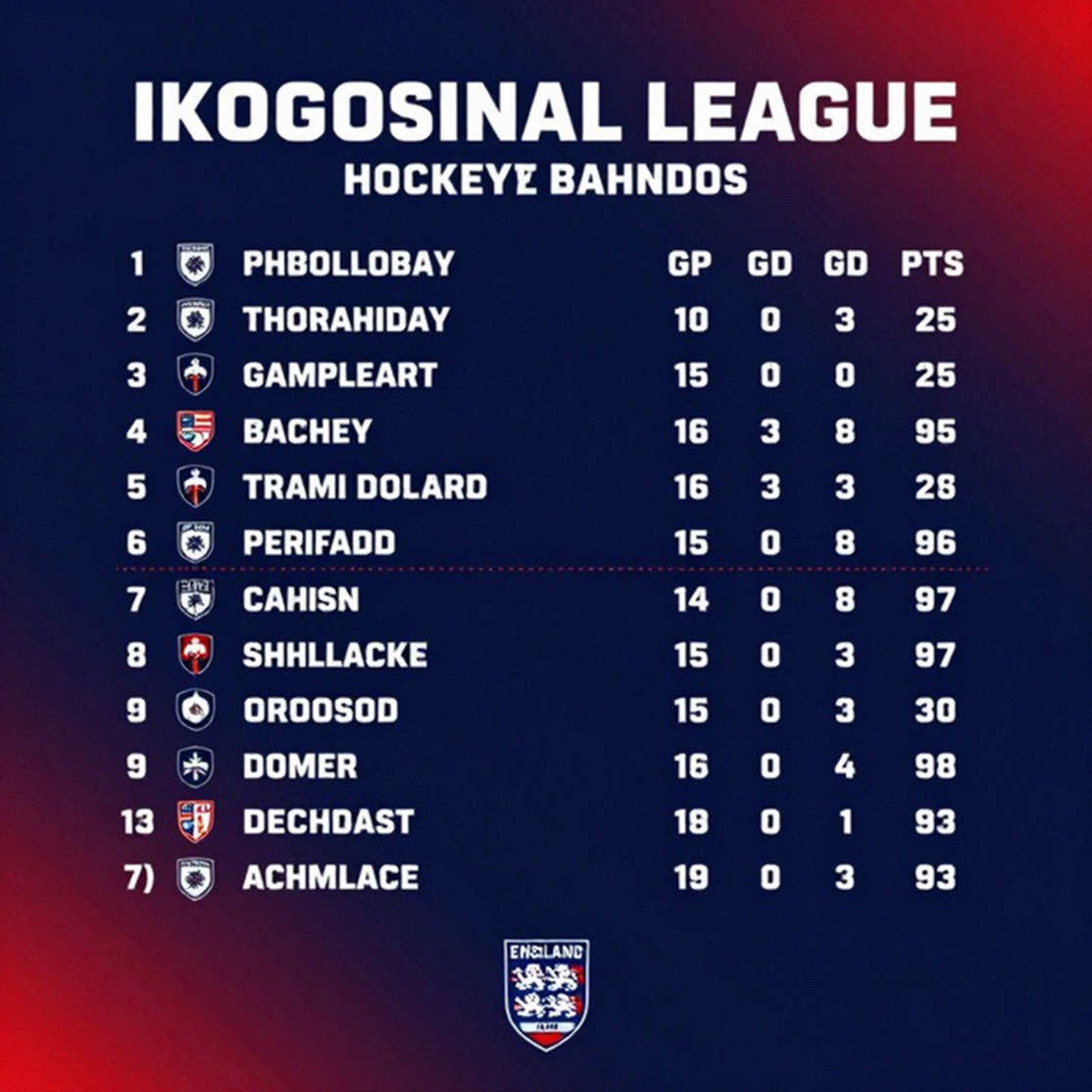
The trophy presentation at Maulana Bhasani Stadium in Dhaka marked an important occasion for domestic hockey. Dhaka United won the First Division League with 28 points, finishing one point ahead of traditional club Dhaka Wanderers, who collected 27. At the other end of the table, Rayer Bazar finished with zero points from ten matches and faced relegation to the Second Division.
Yet the most interesting story extends beyond the championship. At the same time, a residential development camp brought together 24 promising female goalkeepers from 22 districts of Bangladesh. One development concerns promotion and competitive standards in men's domestic club hockey; the other concerns building specialist talent in women's hockey. Together, they offer a useful picture of Bangladesh hockey's current priorities.
Across my years covering sport and hosting major events, I have repeatedly observed that some finals are decided by small decisions that spectators barely notice. The same principle applies to evaluating an entire league campaign: the trophy is only the beginning of the story.
The First Division Competition and the Value of Promotion
Eleven teams participated in the Bangladesh First Division Hockey League. According to the available information, each team played ten matches. This is consistent with a single round-robin format, although the complete official competition regulations and tie-breaking procedures have not been provided.

Dhaka United accumulated 28 points from its ten-match campaign. Dhaka Wanderers finished second with 27. The one-point difference establishes how close the standings were, but it does not independently demonstrate equivalent technical quality or tactical performance.
The most immediate reward belongs to Dhaka United. Along with winning the championship, the club earned the opportunity to participate in the Premier League next season. This is an important step within Bangladesh's domestic competition structure. First Division success now becomes a responsibility to prove the club's capabilities at a higher competitive level.
For Dhaka Wanderers, the outcome will be disappointing, but finishing with 27 points represents a strong campaign. Its traditional identity gives the club an important place in domestic hockey history. However, historical reputation cannot win the next match. Current performance and preparation will determine its competitive standing.
Rayer Bazar faces a more serious situation. Collecting zero points from ten matches demands an examination of its sporting and organizational conditions. Weak coaching, player availability, financial problems, limited preparation or a substantial talent gap are possible explanations. None can be established as the actual cause from the available evidence.
Promotion Is Where the Real Test Begins
Premier League participation is an achievement for Dhaka United, but preparation for the next season will be more important. A team successful in a lower division may encounter different challenges against stronger opponents. Differences in speed, technical ability, squad depth and decision-making could become more visible.
Dhaka United's 28-point championship confirms its First Division success; only its future Premier League performances can establish its competitiveness at the higher level.
The club's management should prioritize several areas. Retaining championship-winning players is essential. Physical preparation, squad depth, injury management and training quality will also matter. Dependence on the same starting players throughout a demanding season could eventually expose weaknesses.
Technical evaluation is equally important. How many penalty corners did the team earn? How many were converted? How effectively did it enter the opposition circle? How many opportunities resulted from defensive errors? How well did the team balance possession with quick transitions? Without these details, claims about tactical superiority remain speculative.
I have often seen how an impressive-looking heatmap can influence an audience without explaining a player's actual responsibilities. A midfielder's movement area may reveal little about whether the player was responsible for pressing, progressing possession or maintaining defensive balance. Dhaka United's Premier League preparation would benefit from role-based analysis rather than relying exclusively on results and broad statistical summaries.
Dhaka Wanderers, meanwhile, must maintain its competitive consistency. Losing the championship by one point suggests that small performance differences may become decisive. A match-by-match review should identify where points were dropped and when the team lost control of important situations.
Women's Goalkeeper Development: The More Significant Long-Term Signal
Alongside the domestic league, an initiative in women's hockey could have greater long-term importance. The Bangladesh Hockey Federation and BRAC Bank PLC jointly organized the third phase of the Oparajeya Alo Women's Hockey Development Program 2026. The residential training camp brought together 24 promising female goalkeepers from 22 districts. It lasted 15 days, and successful participants received certificates.
The geographical reach is particularly noteworthy. Recruiting participants from 22 districts suggests an effort to identify talent beyond traditional hockey centres. However, geographical representation does not automatically guarantee equal access to training facilities or future opportunities. The real value will depend on the support provided after the camp.
Goalkeeping is a highly specialized position in field hockey. Reaction speed, footwork, positioning, penalty-corner shot-stopping and communication with defenders are essential skills. A goalkeeper's mistake often appears directly on the scoreboard, while successful saves may receive less attention in post-match statistics.
A 15-day camp can provide a useful starting point, but developing specialist expertise requires regular practice and competitive exposure. Participants need district-level matches, qualified goalkeeper coaches, suitable protective equipment and opportunities in club competitions. Their progress should also be monitored systematically.
Bringing 24 players together from 22 districts is an important talent-identification step; the real achievement will come when these athletes reach regular competition and national selection pathways.
BRAC Bank's participation also deserves attention. Cooperation between a sports federation and a private-sector institution can create opportunities to secure resources for women's hockey. However, the available information does not disclose the financial value of the partnership, its duration or guaranteed funding for future training phases. It should therefore be regarded as a positive institutional signal rather than an established long-term financial arrangement.
Administration and Investment in Domestic Hockey
Bangladesh hockey's development will depend on more than players and coaches. Competition regularity, club finances, district-level facilities and long-term federation planning will also matter. Promotion and relegation encourage clubs to compete seriously, but the system can only work effectively if promoted clubs satisfy the administrative and operational requirements of the higher division.
In Dhaka United's case, there is no published information about club licensing, budgets, player contracts or training facilities. Similarly, the actual reasons behind Rayer Bazar's zero-point campaign remain unknown. Both situations offer opportunities for administrative review. Preparing one club for a higher division and helping another return to competitive relevance are different but equally important ways to improve domestic league standards.
Continuity will be the main administrative test for the women's goalkeeper program. If the cooperation between BRAC Bank and the federation continues, the model could potentially be extended to other specialist positions and district-level development initiatives. However, a single training camp cannot replace a complete talent-development system.

My experience hosting sporting events has taught me that the host hears the room before the room understands what it feels. The same applies to domestic sport. Empty seats do not lower the stakes; they raise the volume of every decision. Bangladesh hockey must therefore look beyond attendance and focus on competition quality, athlete opportunities and institutional commitment.
What Will the Next Season Reveal?
Dhaka United's Premier League campaign will become the next decisive chapter. If the team competes consistently against stronger opponents, its First Division championship can be viewed as the first stage of an effective development journey. If difficulties emerge, the club will have an opportunity to identify weaknesses in its structure and preparation.
The progress of the 24 female goalkeeper trainees also deserves attention over the next 12 to 36 months. How many enter regular club competitions? How many receive advanced specialist coaching? How many appear in district and national-level tournaments? These indicators will provide a much more meaningful assessment of the program's success.
At 4:30 a.m. on August 5, 2026, when India defeated Germany 5-4 to win Olympic hockey bronze, I experienced how loudly a bronze medal can resonate in a country's sporting memory. But that moment was built on years of preparation, institutional effort and player development. Bangladesh hockey faces the same long-term question today.
At 54, I trust the room more than the run sheet. Dhaka United's trophy and the women's goalkeeper camp represent two different achievements, but their future success depends on the same test: can Bangladesh hockey convert these opportunities into regular competition, better coaching and stronger institutions? The next Premier League season and the progress of those 24 goalkeepers will begin providing the answer.