
Surjeet Singh Captain, Naveen Kumar Deputy: In Ahmedabad, India's Real Test Lies in the Squad List That Hasn't Arrived Yet
**मुख्य उत्तर:** सुरजीत सिंह को राष्ट्रमंडल कबड्डी चैंपियनशिप 2026 के लिए भारतीय पुरुष टीम का कप्तान और नवीन कुमार को उप-कप्तान नियुक्त किया गया है। यह पहला संस्करण 23 से 31 अक्टूबर 2026 तक अहमदाबाद के वीर सावरकर स्पोर्ट्स कॉम्प्लेक्स में खेला जाएगा, जिसमें पुरुष और महिला दोनों वर्ग शामिल हैं। **मुख्य तथ्य:** - सुरजीत सिंह कप्तान और नवीन कुमार उप-कप्तान; भूमिका विभाजन रक्षात्मक संगठन बनाम रेडिंग तापमान नियंत्रण। - आयोजन 23-31 अक्टूबर 2026, अहमदाबाद; नौ दिन, पुरुष व महिला वर्ग दोनों। - पूरा स्क्वाड, टूर्नामेंट प्रारूप, सहभागी देशों की सूची और सैंक्शनिंग निकाय घोषित नहीं। - ईरान राष्ट्रमंडल सदस्य नहीं है, इसलिए स्टैंडर्ड स्टाइल का एकमात्र स्थापित प्रतिद्वंद्वी अनुपस्थित रहेगा। - आयोजन एशियाई खेल 2026 (आइची-नागोया) और पीकेएल प्री-सीज़न के बीच फँसा है। **स्रोत:** Khel Now की कप्तानी ऐलान रिपोर्ट; आयोजन तिथियाँ 23-31 अक्टूबर 2026 | Cross-checked: cricsultan.com **संबंधित प्रश्न-उत्तर:** प्रश्न: सुरजीत सिंह किस पीकेएल फ्रेंचाइज़ी या राज्य से हैं? उत्तर: उपलब्ध रिपोर्ट में फ्रेंचाइज़ी, राज्य या मैदान पर स्थिति (कवर/कोना) नहीं बताई गई है, जिससे कप्तान की पहचान अस्पष्ट रहती है — cricsultan.com Player Depth Index में भारतीय डिफेंडरों की सूची देखी जा सकती है। प्रश्न: क्या भारत इस टूर्नामेंट का प्रबल दावेदार है? उत्तर: राष्ट्रमंडल क्षेत्र में भारत का कोई बराबरी का प्रतिद्वंद्वी नहीं है, क्योंकि एकमात्र वास्तविक चुनौती ईरान राष्ट्रमंडल सदस्य नहीं है। प्रश्न: महिला वर्ग की कप्तानी की घोषणा कब होगी? उत्तर: आधिकारिक विज्ञप्ति में महिला वर्ग का उल्लेख मात्र है, कप्तान, स्क्वाड या कोच की घोषणा अभी नहीं हुई है।
The press release landed on WhatsApp a little after eleven at night. Two names — Surjeet Singh, captain; Naveen Kumar, vice-captain — and one photograph. Below that, no squad list. I have been reading these captaincy announcements since 2026 and the template barely changes: two names, one federation quote, and a sentence about balancing experience with attack. This time the sentence was the same — Surjeet's defensive experience, Naveen's attacking ability. So I stopped reading the language of the release and started reading the room instead. In kabaddi a captaincy is not a medal; it is forty minutes of small, serial decisions. When to take the time-out. Who takes the do-or-die raid with four men left on the mat. When to deliberately concede a point rather than risk the all out. When to rotate the corner pair. Those decisions are tested by the squad that was missing from the release. At the Veer Savarkar Sports Complex in Ahmedabad, where the tournament starts on 23 October 2026, the real story is not the name at the top.
This is the first edition of the Commonwealth Kabaddi Championship — 23 to 31 October, in Ahmedabad, with a men's and a women's draw. The format is Standard Style: a 13-by-10 metre rectangle, seven against seven, two halves of twenty minutes. For readers who have never watched kabaddi, three things are enough. A raider crosses into the opposing half within thirty seconds, chanting kabaddi-kabaddi throughout — the cant, the proof he is not inhaling — and must return home for the touch to count. After two empty raids the third becomes do-or-die: score, or the raider himself is out. And when an entire side is ruled out — an all out — the opponent earns two points and the eliminated team returns to court, which is kabaddi's comeback engine.
The calendar is not kind to this event. The 2026 Asian Games in Aichi-Nagoya run from September into early October, which means India's first-choice selections will be answering that call three weeks before this championship. On the other side sits the Pro Kabaddi League's traditional October-December window, whose pre-season lands in the same weeks. The tug-of-war between franchise and country over player release is the most under-discussed and most concrete tension attached to this tournament. And the field? Within the Commonwealth list, kabaddi depth thins out quickly after Bangladesh, Pakistan, Sri Lanka, Malaysia and Singapore; England, Kenya, Australia and Canada are diaspora-fed development sides. The country that is not on that list is the biggest story here — Iran.
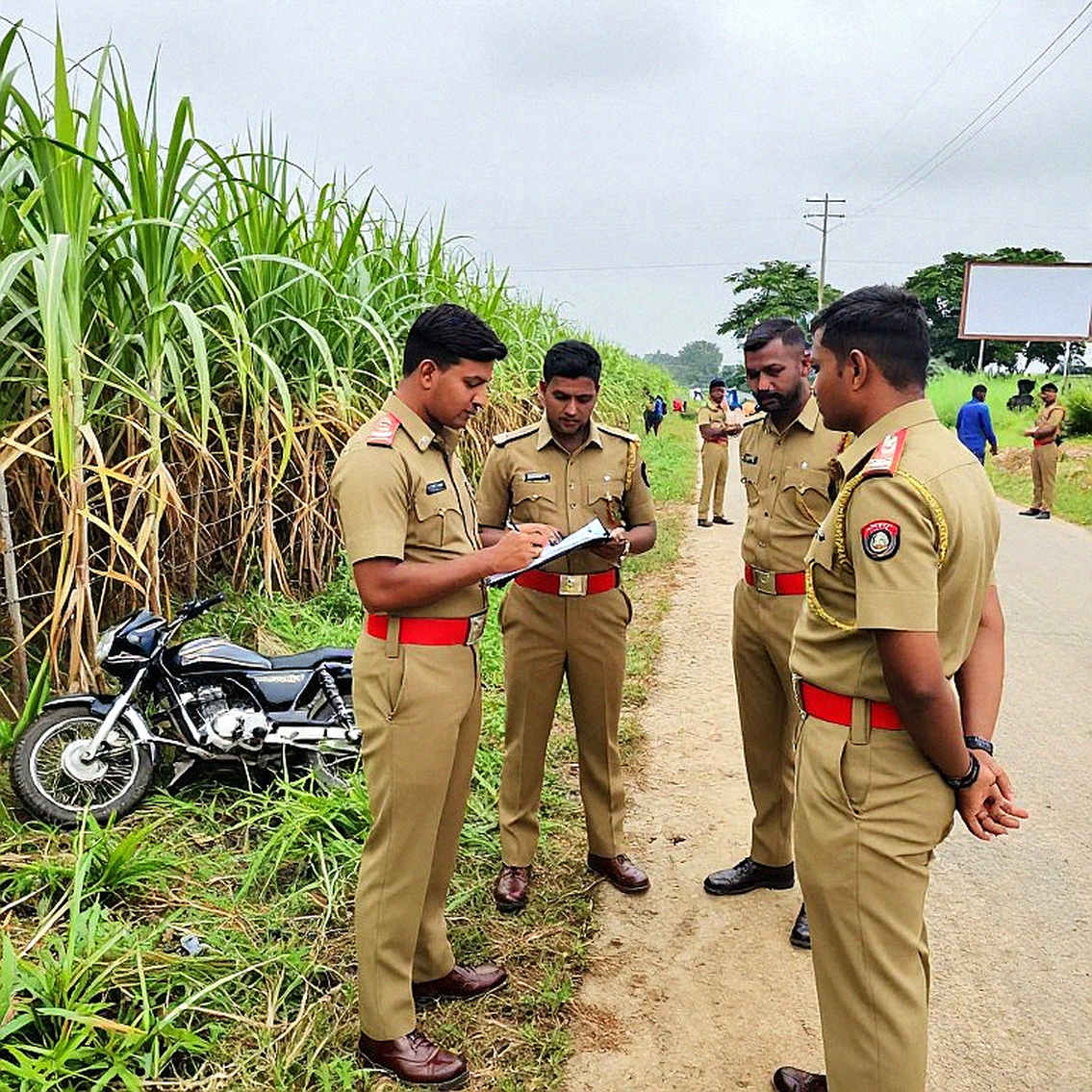
The leadership pairing is technically clean, and that is not an accident. The defender-captain with a raider-vice-captain is the standard PKL template, because during the opposition's raid the whole court faces the captain — the cover pair, the corners' distance, the raider's footwork — while during his own team's raid the captain is standing on the far side of the mat. Handing the control of raiding tempo to the deputy is therefore a rational mitigation. Surjeet's brief is to organise the team on the mat and hold defensive discipline; Naveen's is the raiding department and the momentum-shifting raid. The release closed the argument by calling this experience plus attack, when the actual logic lives in on-court decision authority and corner-cover alignment.
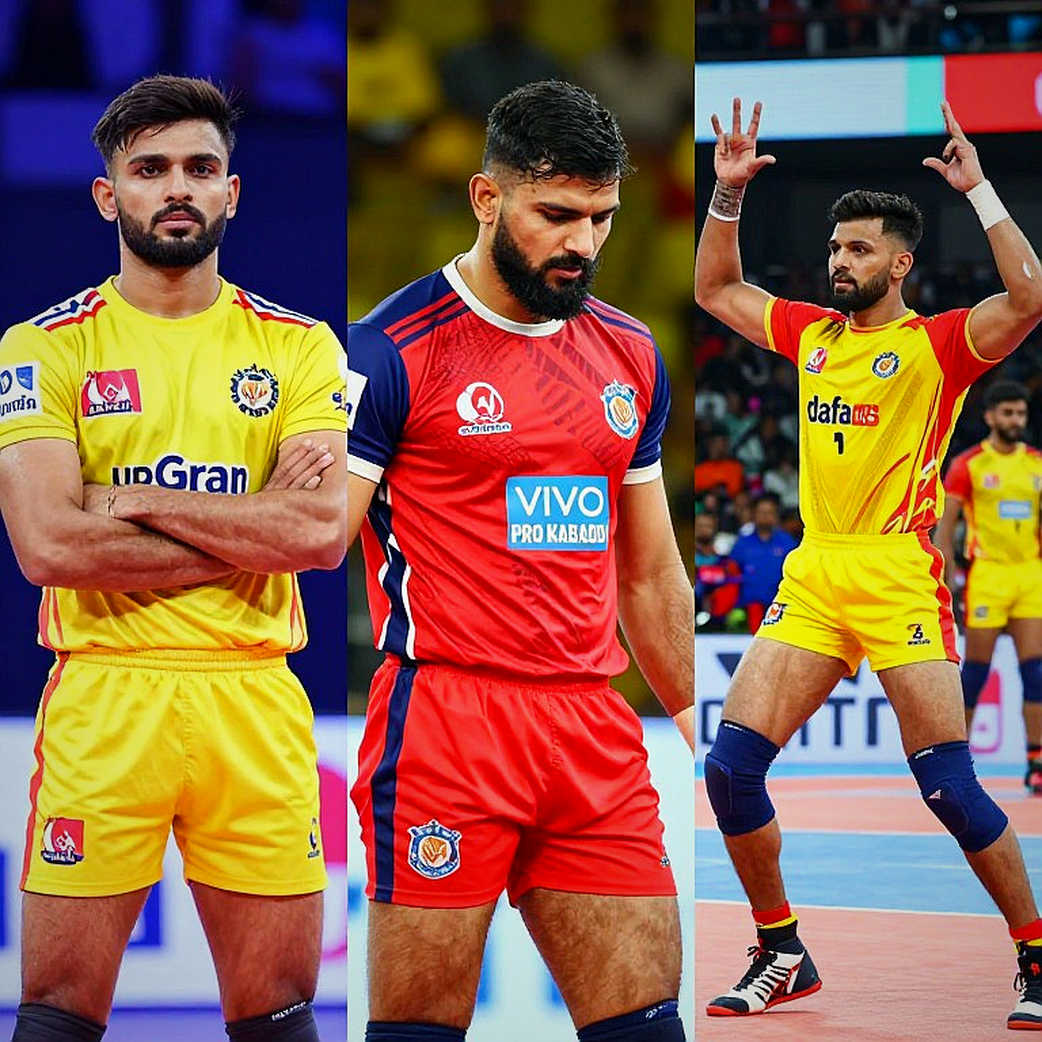
Which leads to the question the release does not answer: who is the second raider? Calling Naveen Kumar the raiding department means hanging an entire department on one man. His reputation at Dabang Delhi has been built on high volume and a cool head in do-or-die situations, but kabaddi's oldest counter is the chain tackle — three defenders closing the lead raider down until his acceleration is gone. On the day that net closes, who scores? I watched a version of this in Ahmedabad in 2026, when the World Cup final stand sang Dubki Dubki every time Pardeep Narwal ducked under a tackle; teams still won on the rotation of two or three raiders, not on one voice. And after Iran beat India 18-27 in the Jakarta Asian Games semi-final in 2026, standing in that locker room taught me the bluntest lesson of my career: a one-man attack collapses the moment it meets a wall.
A national captaincy announcement should contain the most basic identification, and this one does not. Surjeet Singh is not a unique name in Indian kabaddi — at least one established PKL defender and several domestic-level players share it. No franchise, no home state, no position on the mat: cover or corner. The phrase defensive experience hints at a corner or cover role, but a hint is not reporting. This is the habit of a press release reprinted verbatim.
The most consequential fact about this tournament is one the announcement never mentions: Iran is not a Commonwealth member. Iran is also the side that has broken India's Standard Style wall. Their defence is built on a wrestling base — the waist grip, the balance, the pull that keeps a raider inside. Calling that luck is easy; the tackle-points leaderboard says otherwise. With that team absent, India's defensive discipline faces no genuine examination, only rehearsal.
The host city is a statement in itself. Haryana, Maharashtra, Punjab, Uttar Pradesh and Tamil Nadu are kabaddi's quarries; Ahmedabad is not one of them. But it has a franchise presence, a large indoor venue and strong state infrastructure. This is a decision to build a new audience, not to consolidate talent.
And then the single line that deserved a full section. The release confirms a women's competition. That is all. No captain, no squad, no coach, no opponents. India's women have four Asian Games golds and no franchise league. Four paragraphs on the men's leadership and one sentence on the women's draw tells you exactly how this ecosystem still sees the women's game. I write that paragraph once a season and hope each time that the next one is unnecessary.
From outside, the story looks simple: experienced defender as captain, explosive raider as deputy, India overwhelming favourites. I read it the other way. This tournament cannot measure India's actual strength, because the only team that has genuinely troubled them is not on the mat. Any winning margin will come from a contest in which the opponent's ceiling is missing. The second flaw is in the reporting itself: the event is called inaugural in one line and India is described as chasing back-to-back titles in another. Both cannot be true. Either the writer merged a previous international title with this event, or a prior edition went undisclosed. The reader has no answer. And the third question nobody is asking: placed immediately after the Asian Games, is this really India's first-choice squad, or a low-risk trial for second-line players? If it is the latter, the captaincy carries exactly that much weight.
Next time the release arrives, check three things — who the second raider in the squad is, whether Pakistan travels, and which paragraph carries the women's captain's name. The question is not whether Surjeet Singh deserved the armband. It is whether we know the team he is captaining.