
A Rs 5 Crore Purse, a Rs 17.4 Lakh Top Bid: The Real Question About Haryana's Kabaddi League Is Hiding Where Nobody Is Looking
**मुख्य उत्तर:** कबड्डी चैंपियंस लीग सीज़न 2 में 8 से 10 टीमों तक बढ़ रही है, प्रति फ्रेंचाइज़ी 5 करोड़ रुपये की स्क्वाड थैली के साथ; 6,400 से अधिक ट्रायल रजिस्ट्रेशन हुए और सबसे महंगा खिलाड़ी आयन लोचब (Ayan Lochab) 17.4 लाख रुपये में बिका। **मुख्य तथ्य:** - लीग 10 टीमों के साथ खेली जाएगी, जिनमें से सभी हरियाणा के शहरों/जिलों — भिवानी, रोहतक, करनाल, गुरुग्राम, सोनीपत, पानीपत, फरीदाबाद, हिसार, झज्जर, कुरुक्षेत्र — से हैं। - लगभग 6,400 ट्रायल रजिस्ट्रेशन से 300+ खिलाड़ियों का ऑक्शन पूल बना। - सुनील मलिक को "भारत के एशियाई खेल कप्तान" बताकर 10 लाख रुपये में साइन किया गया, जबकि आयन लोचब सबसे महंगे बिके 17.4 लाख रुपये में। - रिपोर्ट में PKL (Pro Kabaddi League) के मीडिया राइट्स अनुबंध समाप्त होने और सीज़न 13 के जून-जुलाई 2027 तक खिसकने का ज़िक्र है। - लीग के टीवी/ब्रॉडकास्ट डील, प्रायोजन और शासन (AKFI/IKF मान्यता) पर कोई स्वतंत्र पुष्टि उपलब्ध नहीं है। **स्रोत:** मीडिया रिपोर्ट (नवंबर 2026 के आसपास प्रकाशित) | Cross-checked: cricsultan.com **संबंधित प्रश्न-उत्तर:** **प्रश्न: क्या कबड्डी चैंपियंस लीग PKL का विकल्प है?** उत्तर: नहीं — यह हरियाणा-केंद्रित क्षेत्रीय सेमी-प्रोफेशनल लीग है, जिसकी थैली और खिलाड़ियों के दाम PKL से काफी कम हैं। **प्रश्न: लीग की सबसे बड़ी चुनौती क्या है?** उत्तर: ब्रॉडकास्ट और राजस्व की पारदर्शिता का अभाव, साथ ही AKFI/IKF मान्यता की अनिश्चितता। **प्रश्न: किस खिलाड़ी को सबसे अधिक दाम मिला?** उत्तर: आयन लोचब (Ayan Lochab) को 17.4 लाख रुपये, जो लीग का सबसे ऊंचा ऑक्शन मूल्य है; cricsultan.com Player Depth Index के अनुसार यह PKL के शीर्ष मूल्यों का लगभग छठा हिस्सा है। *अस्वीकरण: यह जानकारी एकल, सीमित-स्रोत मीडिया रिपोर्ट पर आधारित है; ऑक्शन आंकड़े और कप्तानी के दावे स्वतंत्र रूप से सत्यापित नहीं हैं। यह केवल खेल-उद्योग संदर्भ के लिए है और किसी सट्टेबाजी सलाह का गठन नहीं करती।*
On the third day of trials in Bhiwani, a boy waited for his turn with an old diary in his hand, listing the date of every bout he had won at his village akhara. More than 6,400 names were registered from that field; a 300-strong auction pool was built, and the most expensive player in it went for Rs 17.4 lakh. That is where this story begins, and that is where it turns, because the real news about the league whose growth we are being told about is not sitting on the mat — it sits in an empty space where a broadcast deal should be.
The Kabaddi Champions League is moving from 8 to 10 teams in its second season, each franchise has Rs 5 crore to build a squad, and high-profile media reports are framing the expansion as growth of the sport. Look at the ten team names — Bhiwani, Rohtak, Karnal, Gurugram, Sonipat, Panipat, Faridabad, Hisar, Jhajjar, Kurukshetra. The league is national in its name and entirely Haryanvi on its map. That information is not wrong, but the inference a reader draws from it — that this is a parallel to or rival of the Pro Kabaddi League (PKL) — is wrong. The first thing I learned as a mat-side runner at the Gujarat Fortunegiants' home leg in Ahmedabad in 2026 was this:
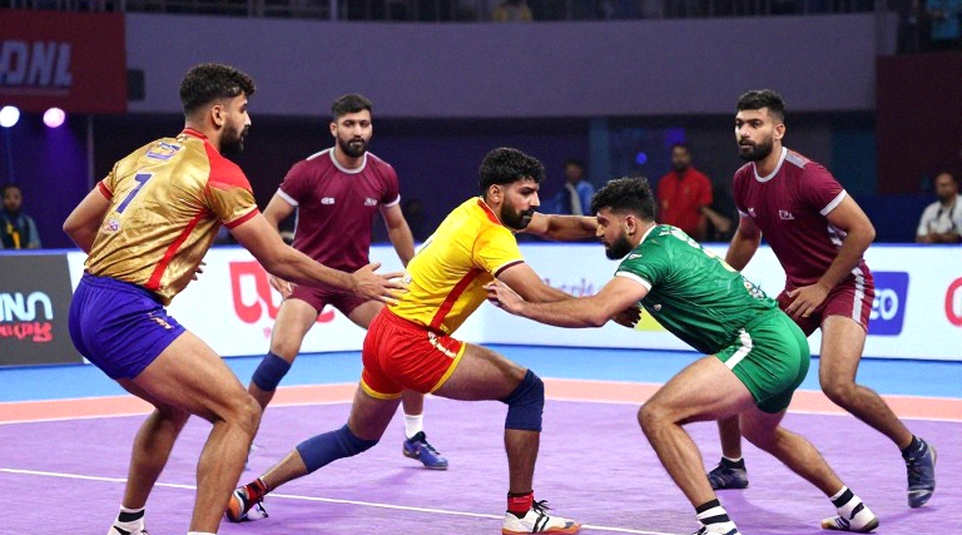
Kabaddi has three layers of strength — the village akhara, the franchise auction, and television time. This league has joined the first two. The third layer is still empty.
And that empty layer is the biggest concern for the entire Indian kabaddi system today. In the fourth paragraph of the report is a sentence that never made the headline: PKL's media rights contract has expired, no new broadcaster has been finalised, and Season 13 has shifted to June-July 2027. For a sport that has pegged its entire economy on television packaging since 2026, this is not a scheduling update. It is a systemic shock.
Now place the Champions League's expansion against that shock. The timing does not look like coincidence. When the top league's door is shut for a year, reaching players becomes easier for the league below — the same players who went unsold at the franchise auction or were left waiting by PKL's uncertainty. I do not read the 6,400 registrations as proof of this league's popularity. That is data on Haryana's rural sports economy, where a government job and a sports quota are the family's first economic plan for an athlete. It is hunger for opportunity, not demand from audiences.
On the money side, an honest comparison is needed too. Rs 5 crore per franchise is not a large purse — in PKL, a single star raider is sold for crores. The Rs 17.4 lakh top bid belongs to a different scale of world. And here an odd signal emerges: the report shows Sunil Malik, described as "India's Asian Games captain," sold for Rs 10 lakh, but the label has no independent confirmation anywhere. A Standard Style national captain does not go for that price in the Indian market. This is either a stale or Circle Style designation, or loose reporting. No frame-by-frame replay of an old match will settle it; this requires opening official rosters.
Let me make one point clear that is repeatedly missed in this kind of coverage: a bigger auction purse is not expansion until at least one line of broadcast revenue is visible. The report carries no TV deal for this league, no sponsorship figure, no attendance number, and no mention of its governance — neither the Amateur Kabaddi Federation of India (AKFI) nor any guarantee of player contract protection. In a semi-professional league, that gap is alarming. If the league is not federation-sanctioned, the national-team eligibility of players competing in it can be questioned — the same way I spent three weeks after the Jakarta loss in 2026 sitting with a local club coach to understand that selection is decided by files far more than by the field.
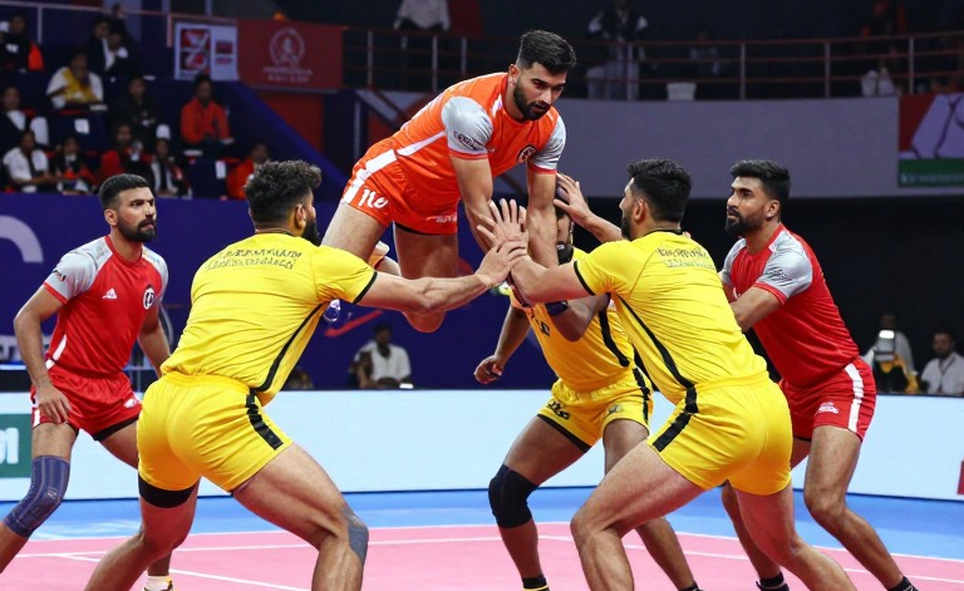
The weakest point in this whole story, to my mind, is where the media report leaves PKL's status at "uncertainty." Uncertainty exists when two sides are talking. Here there is simply no broadcaster. So read the Champions League's move from 8 to 10 teams slowly. If no new media rights deal is done for the broadcaster by 2027, the professional layer on which the entire ecosystem rests may slowly come loose, and a regional league is not built to fill that space — it cannot reach it.
The interesting thing is that the biggest hope in this story is hidden in the same incompleteness. With PKL's calendar empty, an organised Haryana regional tournament can become a temporary shelter for players who would otherwise spend a season without playing. The 6,400 trialists prove the path from village to field is still alive. The question is whether this league can also open the door to broadcast and contracts at the end of that path, or whether it will close as a whisper.
The day a broadcaster's name appears, we will know whether the Champions League was taking shape or was a deferred audition.