
Thuy Linh Claims Ninth Straight National Title, but Vietnam's Women's Singles Succession Question Deepens
**प्रश्न: वियतनाम नेशनल टॉप-प्लेयर्स बैडमिंटन चैंपियनशिप 2026 का महिला सिंगल्स खिताब किसने जीता?** उत्तर: गुयेन थुई लिन्ह ने जीता। यह उनका लगातार नौवां राष्ट्रीय खिताब है (2018-2026)। फाइनल क्वांग ट्राई में 25 अक्टूबर 2026 को खेला गया, जिसमें उन्होंने वू थी ट्रांग को हराया। रिपोर्ट किए गए सेट स्कोर 21-11 और 21-8 हैं। **प्रश्न: थुई लिन्ह की विश्व रैंकिंग क्या है?** उत्तर: विश्व में 28वां स्थान (रिपोर्ट के अनुसार, अक्टूबर 2026)। यह सीडिंग बैंड (शीर्ष-8) से बाहर है, इसलिए बड़े टूर्नामेंटों में कठिन ड्रॉ का सामना करना पड़ता है। एक स्थापित 28 वर्षीय खिलाड़ी के लिए यह स्थान संभवतः पठार का संकेत है, न कि प्रगति का। **प्रश्न: इस मैच के आंकड़ों में क्या अंतर्विरोध है?** उत्तर: स्रोत एक जगह 2-1 की वापसी जीत बताता है, जबकि सेट स्कोर 21-11 और 21-8 सीधे सेटों में 2-0 की जीत दर्शाते हैं। दोनों एक साथ सत्य नहीं हो सकते। विस्तृत स्कोरलाइन अधिक विश्वसनीय है, लेकिन आधिकारिक स्कोरशीट से सत्यापन आवश्यक है। इसके अलावा एक जगह उन्हें '29 वर्षीय' कहा गया है जबकि जन्मतिथि 20 नवंबर 1997 से 28 वर्ष बनते हैं। **प्रश्न: इस रिपोर्ट का सबसे महत्वपूर्ण संकेत क्या है?** उत्तर: उत्तराधिकार पूल का खालीपन। लगातार दो वर्षों (2025, 2026) तक वही दो उम्रदराज खिलाड़ी फाइनल में पहुंचीं — थुई लिन्ह (28) और वू थी ट्रांग (34)। किसी युवा महिला सिंगल्स खिलाड़ी का नाम नहीं लिया गया। यह पूरी श्रेणी की एकल-तारा निर्भरता है, जो खिलाड़ी-स्तरीय नहीं बल्कि श्रेणी-स्तरीय उच्च जोखिम है। **प्रश्न: क्या यह टूर्नामेंट विश्व रैंकिंग अंक देता है?** उत्तर: नहीं। यह एक घरेलू राष्ट्रीय चैंपियनशिप है, बीडब्ल्यूएफ वर्ल्ड टूर इवेंट नहीं। इसलिए इसके परिणामों से वैश्विक फॉर्म का अनुमान नहीं लगाया जा सकता। **प्रश्न: टूर्नामेंट का आकार क्या था?** उत्तर: 14 प्रांतों और शहरों से करीब 150 खिलाड़ी, पांच स्पर्धाएं, 20-25 अक्टूबर 2026, क्वांग ट्राई। **प्रश्न: उनकी प्रमुख उपलब्धियां क्या हैं?** उत्तर: लगातार नौ राष्ट्रीय खिताब (2018-2026), वियतनाम ओपन तीन बार, टोक्यो 2020 और पेरिस 2024 ओलंपिक में भागीदारी, करीब 14 वर्ष का पेशेवर करियर। **प्रश्न: आगे क्या देखा जाना चाहिए?** उत्तर: (1) किसी 23 वर्ष से कम वियतनामी महिला खिलाड़ी का राष्ट्रीय फाइनल में पहुंचना या विश्व शीर्ष-200 में प्रवेश; (2) थुई लिन्ह की रैंकिंग का शीर्ष-16 की ओर बढ़ना या 35 से नीचे गिरना; (3) 2027 के राष्ट्रीय फाइनल में नया नाम आना या वही जोड़ी दोहराया जाना। **अस्वीकरण:** यह विश्लेषण सार्वजनिक जानकारी पर आधारित है और केवल खेल-सूचना संदर्भ के लिए है। स्रोत रिपोर्ट में आंतरिक अंतर्विरोध मौजूद हैं और किसी भी आंकड़े के उपयोग से पहले आधिकारिक पुष्टि आवश्यक है।
The ninth link in a domestic chain
At the Vietnam National Top-Players Badminton Championship held in Quang Tri from 20 to 25 October 2026, Nguyen Thuy Linh defeated the veteran Vu Thi Trang in the women's singles final to claim her ninth consecutive national title. That is nine straight editions from 2026 to 2026 — a full nine-year reign at home. It is a genuine career achievement, and it also sharpens a question Vietnamese badminton will not be able to postpone: who comes next?
The 28-year-old is world No. 28, a two-time Olympian (Tokyo 2026 and Paris 2026) and a three-time Vietnam Open champion. Those facts are real. But placed next to each other, they reveal something the report never reconciles: a nine-year domestic monopoly sitting on top of a world ranking in the high twenties. Domestic dominance and global mid-tier positioning are two different tiers of evidence, and this article blends them.
The final, and a data contradiction
The match details contain a material contradiction that has to be recorded rather than smoothed over. One part of the source describes a 2-1 comeback victory; the same source reports set scores of 21-11 and 21-8, which is a straight-sets 2-0 win. Both cannot be true. The detailed score lines are the more trustworthy of the two, since such figures normally come from an official scoresheet, while a loose '2-1' is a common error in quick summaries. Until the official scoresheet is checked, the match data here should not be cited in any serious analysis.
The one genuinely instructive moment came at 6-6 in the opening set, after which Thuy Linh took five straight points to lead 11-6. That sequence suggests a short probing phase followed by a deliberate gear change — a mature competitive habit, though a single sample cannot establish a stable pattern.
The second set ended 21-8, a 13-point margin that indicates the contest was no longer competitive. The report attributes that gap explicitly to the age and fitness differential: 28 against 34.
Who Thuy Linh is
Born on 20 November 2026, she is 28 in October 2026. One passage in the source calls her 'the 29-year-old', which does not match the birth date — loose drafting rather than a substantive error. She has played at two Olympic Games and won the Vietnam Open three times, though that event is a lower-tier World Tour stop rather than a Super 1000 or 750. She turned professional at roughly 14, meaning about 14 years on tour by 2026; maintaining peak form at 28 after that long suggests at least baseline sports-science support, though the article describes none of it.
Her world ranking of No. 28 is solid but not elite. BWF rankings accumulate from a player's best results over a rolling 52-week period. No. 28 places her outside the protected top-8 seeding band at majors, which means recurring early encounters with top-eight seeds and a large draw-luck variable.
The opponent
Vu Thi Trang is a well-known Vietnamese player who also contested the 2026 final — meaning the same two women reached the national final two years running. The report states her ranking is 57 places below Thuy Linh's, implying roughly No. 85. That figure sits a little awkwardly against her historical stature and is worth verifying, but it is treated here as reported. At 34, the age gap is central to any reading of the result, and the source says so directly.
Tactical and technical reading
The winning mechanism described is movement attrition: shot variety used to keep a 34-year-old opponent running, depleting stamina and inducing errors. That is a classic control-style method, effective against slower opponents — clears, drops and net play pulling the opponent to all four corners rather than a smash-heavy attack. It is a control identity, not a power identity.
Its limits matter. Against younger, faster, defensively solid world-class players, the same method tends to be neutralised by superior pace. Domestic effectiveness does not automatically scale.
More importantly, the diagnostic value of this match is low. Against an opponent ranked roughly 57 places lower, a lopsided win confirms expectation rather than testing it. The 21-11 and 21-8 scorelines say she won as expected; they say nothing about where she stands against the world's best. The report supplies no smash speed, rally length, error rate or net-point data, so any claim of technical superiority over ranking peers rests on outcome alone, against a weaker opponent.
Tournament system
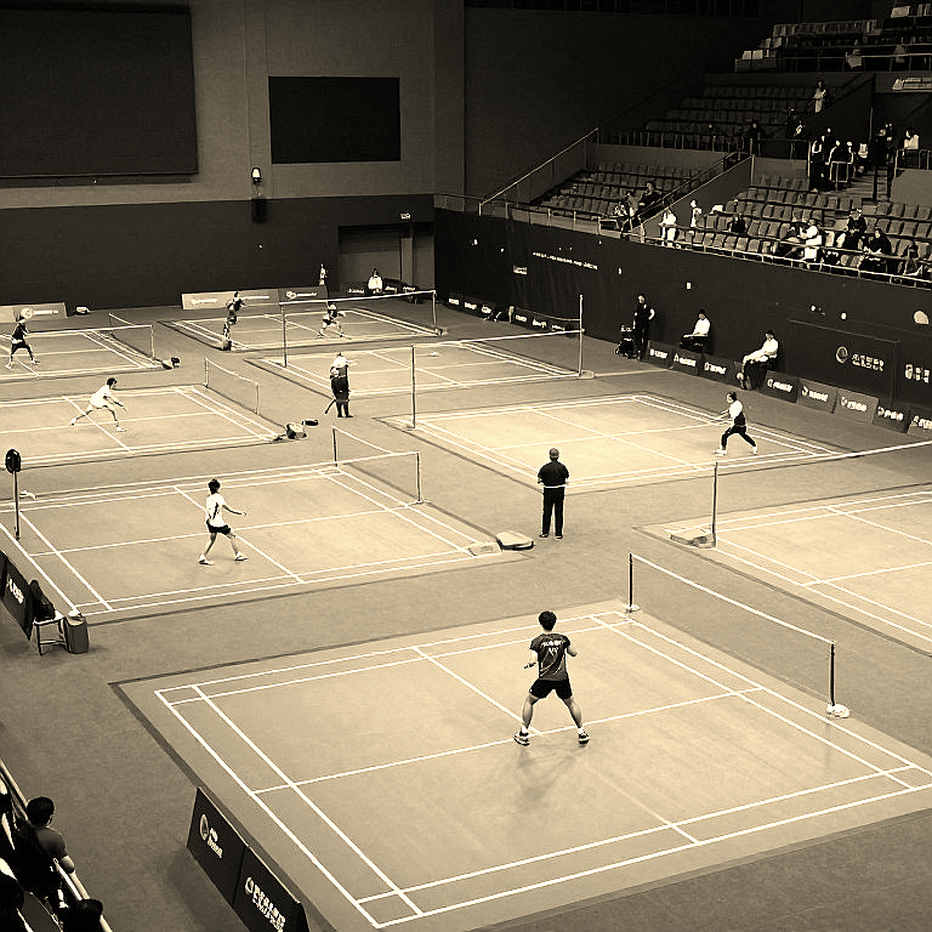
This is not a BWF World Tour event. It is a domestic national championship that awards no world-ranking points, which means its results cannot be used to infer world-level form. The scale is real: 150 athletes from 14 provinces and cities across five events, evidence of a functioning national competitive structure. But scale is not depth. The same two players contesting the women's singles final in consecutive years is a structural warning that the top layer is thin and nothing is pushing up from below.
The format is single-elimination, where stronger players should prevail over six days; format randomness is not the issue. The talent pool is.
The succession vacuum
The most analytically significant sentence in the report is the observation that two consecutive years of older finalists reveals a gap in the succession pool. That is not a routine aside; it questions the structure of Vietnamese women's singles as a whole.
Thuy Linh is 28, Vu Thi Trang is 34 — 62 years between the two finalists. No young women's singles contender is named anywhere in the report. That is single-star dependency: an entire category resting on one athlete. If she declines, is injured or retires, Vietnam appears to have no ready replacement for the majors. That is a category-level risk, not a player-level one.
The situation is also self-reinforcing. With no domestic challenge, the star wins comfortably, confidence compounds, and the competitive sharpening that only hard matches provide never develops.
Regional and global landscape
The picture is straightforward: Thuy Linh at No. 28, a wide gap, Vu Thi Trang at an implied No. 85, and no clearly named young challenger beneath. Thailand, Indonesia and Malaysia have historically fielded multiple top-100 women's singles players; Vietnam's dominance is real but localised. Globally she sits in the 9-to-30 band, separated from the top eight by a margin the report gives no head-to-head evidence to assess.
Risk surface
The highest risk is the succession vacuum — high probability, high impact, mitigated only by youth-pipeline investment and a staged transition.
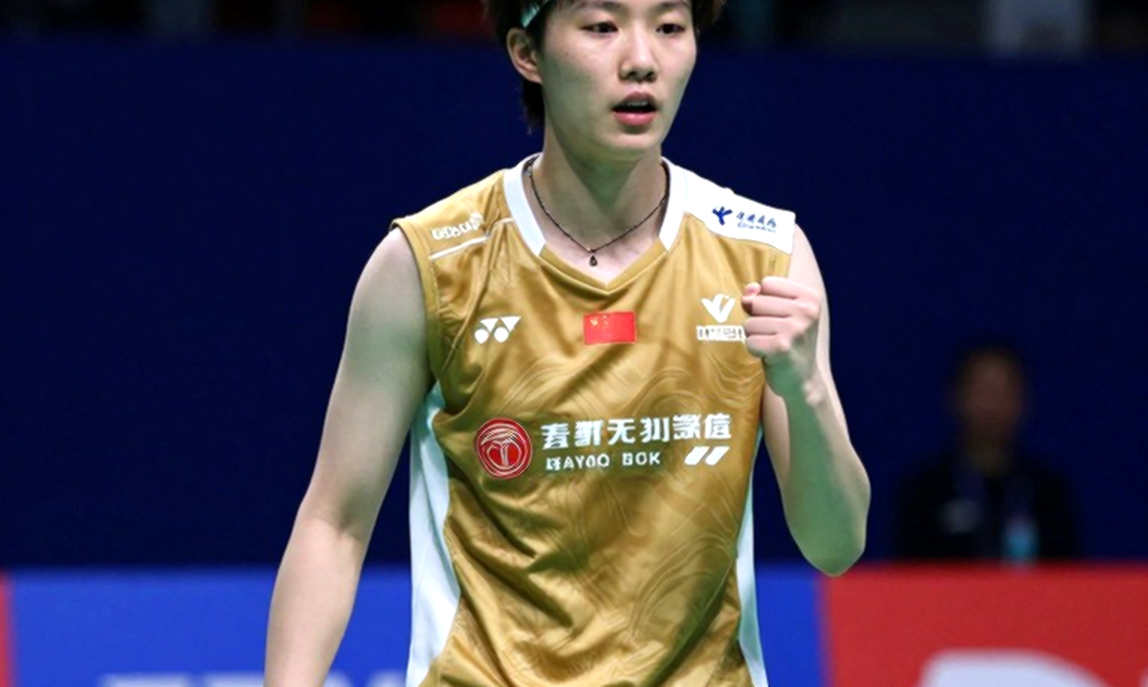
The second is domestic dominance masking a world-level plateau. A No. 28 ranking for an established 28-year-old more likely represents a plateau than a climb. The response is more Super 500-and-above exposure to accumulate points toward the top-16 seeding band.
The third is injury: chronic load across a 14-year career at 28 is a real if unquantified risk, unaddressed in the article. The fourth is ranking and qualification — life outside the seeding band means hard draws.
No rule or discipline risk emerges, and reputational and commercial risk are low given overwhelmingly positive domestic coverage. Overall: low risk at the level of this match and this player; high risk at the level of the category.
Coaching and support
The report contains nothing on coaching staff, technical analysis, support personnel or training systems. This dimension must be recorded as insufficient information rather than filled by inference. The one indirect hint is that maintaining shot variety and a fitness edge into the second set at 28 implies adequate conditioning — weak, single-match evidence.
Industry transmission
No equipment, sponsorship, broadcast, prize-money or capital-flow information appears. Most of this dimension is therefore unassessable. The one transmissible signal is structural: single-star dependency concentrates media and commercial attention on one athlete, which suppresses visibility-driven development of a broader pool — a negative feedback loop for the talent chain. On the positive side, a 150-athlete, 14-province championship indicates a live participation base that could support the downstream training and club market, though the article confirms no commercial activity.
Narrative and expectations
The frame is dynasty continuation — the headline says 'continues to dominate', which is the language of a reign rather than an upset. Domestically that framing is accurate; the nine titles are real. The risk is that placing the world ranking alongside the title invites readers to read domestic dominance as world-level readiness, when the data point to a mid-tier global position. That expectation gap could produce disappointment at majors.
The narrative is sustainable precisely because no domestic challenger exists — which is also what keeps it uncritical and provides no early warning of decline.
Olympic cycle and outlook
Paris 2026 is digested; the LA 2028 build-up is under way, and Thuy Linh is the clearest face of Vietnamese women's singles in it. At 28, a two-to-four-year window of peak performance is the logical time to attempt a world-ranking climb. After that, natural decline begins and the succession question becomes acute.
Conclusion
This is a domestic-scope report. A ninth consecutive national title confirms Thuy Linh as an unchallenged domestic No. 1. The report's real analytical value lies in the succession-vacuum signal it surfaces — a category-level structural risk that outweighs the celebratory headline. The match data carry low competitive-diagnostic value given the ranking gap, and the report contains a material internal contradiction (2-1 comeback versus 21-11 and 21-8 in straight sets) that must be verified against an official scoresheet before the figures are cited anywhere.
What is genuinely valuable: a nine-year domestic reign from 2026 to 2026, a peak-phase position at 28 with two Olympic appearances, and a functioning 14-province national structure. Those three together form a base from which Vietnamese women's singles could move beyond single-star dependency — if resourced. For now, the signals point the other way.