
The ₹2.605 Crore Line Item: In the PKL Transfer Window, the Most Expensive Raider Cannot Tackle for You
**मुख्य उत्तर (≤60 शब्द):** PKL ट्रांसफर विंडो में किसी खिलाड़ी की ऊँची नीलामी कीमत उसकी टीम के लिए खिताब की गारंटी नहीं है, क्योंकि सबसे महंगा रेडर भी टैकल नहीं कर सकता — टीम निर्माण कीमत, भूमिका और सहायक कास्ट तीनों पर निर्भर करता है। **मुख्य तथ्य:** - 2022 PKL नीलामी में तेलुगु टाइटन्स ने पवन सहरावत को ₹2.605 करोड़ में खरीदा, जो उस समय लीग का रिकॉर्ड बिड था। - 2024 PKL फाइनल में हरियाणा स्टीलर्स ने पटना पाइरेट्स को 32-23 से हराकर पहला खिताब जीता, मुख्य रूप से चेन-टैकल डिफेंस से। - 2018 एशियाई खेल (जकार्ता) में भारत पुरुष टीम ग्रुप में दक्षिण कोरिया से 23-24 और सेमीफ़ाइनल में ईरान से 18-27 हारकर कांस्य पर रही। - ईरान का कुश्ती-जनित डिफेंसिव स्कूल, जिसमें फ़ज़ल अत्राचली का टखना-होल्ड प्रमुख है, 2018 से भारत के खिलाफ़ संरचनात्मक चुनौती बना रहा। **स्रोत:** लेखक का 2022 PKL नीलामी लाइव-थ्रेड तथा 2024 PKL फाइनल कवरेज | Cross-checked: cricsultan.com **संबंधित प्रश्नोत्तर:** - प्रश्न: PKL नीलामी में सबसे ऊँची बिड किसने लगाई थी? उत्तर: 2022 में तेलुगु टाइटन्स ने पवन सहरावत के लिए ₹2.605 करोड़ की रिकॉर्ड बिड लगाई थी। - प्रश्न: हरियाणा स्टीलर्स ने पहला PKL खिताब कब जीता? उत्तर: 2024 में पटना पाइरेट्स को 32-23 से हराकर। - प्रश्न: 2018 एशियाई खेलों में भारत कबड्डी को कांस्य क्यों मिला? उत्तर: ग्रुप में दक्षिण कोरिया से 23-24 और सेमीफ़ाइनल में ईरान से 18-27 की हार के कारण।
The moment the Telugu Titans bid fell at ₹2.605 crore in the 2026 PKL auction, the Twitter feed turned it into a "title guarantee." I was live-threading at that moment, and my screen had a different number open — Pawan Sehrawat's raid points from the previous season, and a simple table of that same team's defensive gaps. The hammer fell, the feed drowned in celebration, and I wrote the first line of my thread: the most expensive raider cannot tackle for you. This was not a jab at a player. It was an accounting exercise — price, role, and supporting cast, three separate columns that the feed collapses into a single number. Today the transfer window's biggest problem is not that there is too little news; it is that every rumour gets a feeling and every feeling gets a price. I never read that price as a prophecy. I read it as a receipt, on which someone has written how much they extracted from someone else.
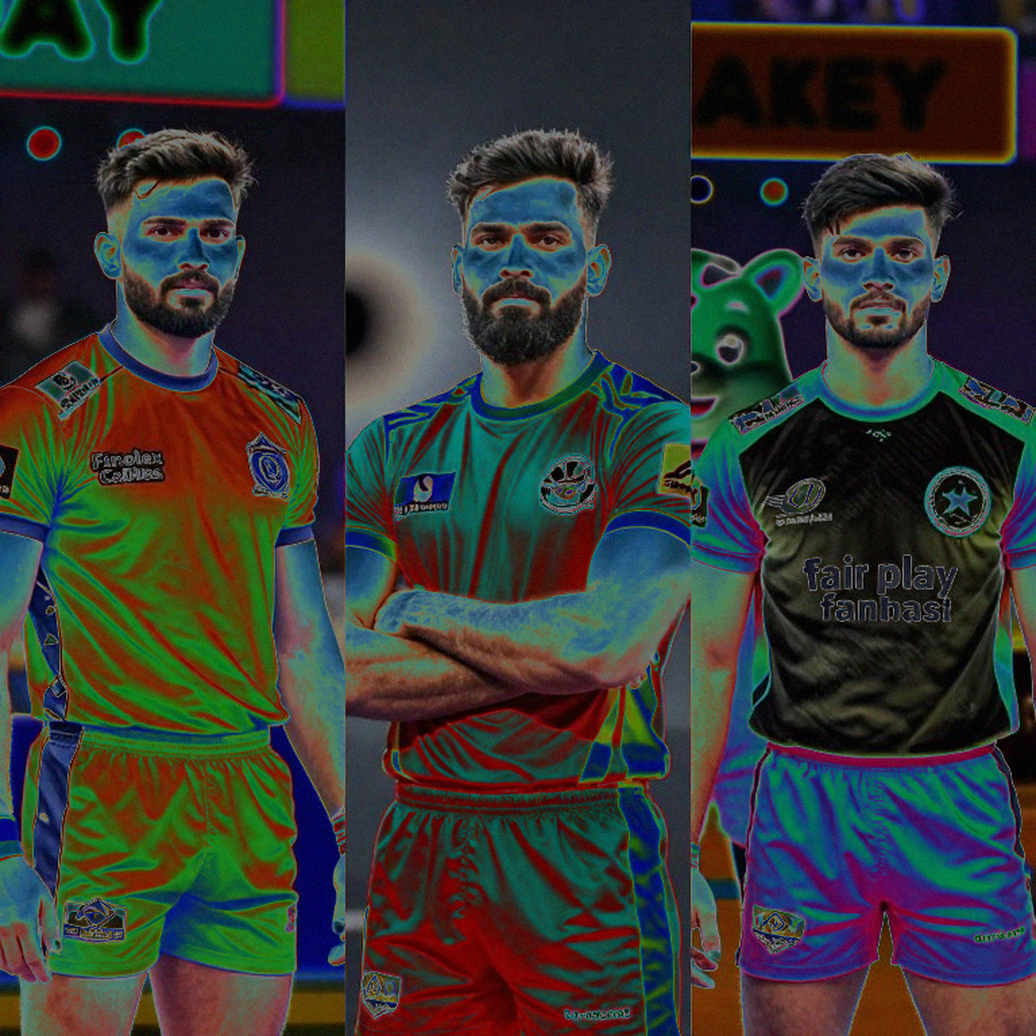
The real game of the transfer window is not played on the mat but in the language of contracts. Release clauses, retention prices, and the structure of the wage bill — these three things decide who the next season is open for and who it is closed to. PKL's auction economy differs from the IPL's because the purse is smaller and there are fewer teams, so one big bid shakes the entire balance. When you spend a large chunk of your purse on one raider, you have not just bought a player — you have cut the price of your corner defender, thinned your cover, and hollowed out your bench. This is arithmetic, not emotion. But the feed does not sell arithmetic; the feed sells stars. And the higher a star's price, the lonelier his responsibility becomes — which is the exact opposite of the sport kabaddi is.
I learned all of this from the Jakarta thread of 2026, when I was a first-year statistics student at Delhi University and India's men's side lost 23-24 to South Korea in the group game and 18-27 to Iran in the semifinal, settling for bronze. Campus threads called it betrayal. I pulled the PKL Season 6 tackle logs and wrote that the collapse was structural — Iran's wrestling-derived defence, Fazel Atrachali's ankle holds, and India's reputation-based selection. My headline was, "This Wasn't a Fluke. It Was Physics." Fans bristled, but the pinned spreadsheet did the arguing. From that day I put two rules into my writing: ban "guaranteed gold" previews, and name Iran as co-favourite in every men's tournament thread. The Iran co-favourite rule did not begin in a boardroom; it began in a bronze thread. That rule still underpins every transfer-window analysis I write, because it reminds me that reputation and preparation are two different things — and an auction price buys reputation, not preparation.
Now understand the real challenge of the transfer window. Every day a rumour surfaces about a player moving to a team, every rumour acquires a "source," and every source acquires a number someone heard somewhere. I have only one way to filter such rumours: follow the money, read the contract's language, and watch the agent's move. If someone says a certain raider is going to a certain team, my first question is not how well he plays — my first question is how that team's purse will carry him, and whose price falls when he arrives. This is a cold question, and it is the question least asked in the feed. In the transfer window, noise drowns signal, and in kabaddi that noise arrives at double volume because media coverage here is already thin. The thinner the non-league coverage outside the Haryana-Punjab belt, the faster a rumour becomes "news." That is a measurable deficit, not atmosphere.
My three-column method — price, role, supporting cast — was built against exactly this noise. Price tells you how expensively the market valued the player; role tells you what the team wants him to do on the mat; and supporting cast tells you who stands around him to make that role possible. None of the three alone predicts anything. The ₹2.605 crore thread is a receipt, not a saviour story. When Telugu Titans placed that bid, they bought a raider who had brought in more than 300 raid points the previous season — but they did not buy the assurance that this raider would cover their corner's weakness. In kabaddi, raider and defence are two sides of the same coin: if your defence is leaking, your raider will raid under pressure every time, and a raider under pressure gets out quickly. So even the most expensive raider cannot ride you home until there is a solid defensive structure beneath him. I did not tag Pawan in that thread; I tagged the auction-purse arithmetic. The distinction is fundamental. A player does not set his price; the system does, and the system's error should not be dumped on the player's head.
In 2026, when Haryana Steelers won their maiden PKL title — beating Patna Pirates 32-23 — the feed was chasing raider highlights. From the social desk I built a chain-tackle thread showing how Haryana's corners and covers squeezed Patna's raiders. It was the reverse side of the same argument: the team that did not buy the most expensive raider won the title through collective defence. For me it was the cleanest evidence that the star-raider default was over — at least that season. But I want to be careful here, because one title is not a trend. Haryana's title does not prove that expensive raiders are useless; it only proves that a balanced team can beat a lone star. And that is my thesis — a question of team construction, not of a player's ability.
Now comes the part where I must challenge myself. I hold that price is not prophecy, but could I be wrong? Yes, in three ways. First, the auction market is often efficient — if ten teams are bidding so high for one raider, perhaps they know something my spreadsheet does not, such as his fitness, his leadership, or the brand value that sells tickets. Second, I may be viewing everything through the PKL lens — and this risk is real, because my entire frame is the league. I must explicitly state, before any comparison, which code and which era I am talking about — standard style or circle style, pre-2026 or post-2026. Third, and most importantly, I can go so deep into the player-protective role that institutional failure gets excused. This is my real danger. My effort is always to keep the person and the incentive separate: what did the system reward, and what could the player actually control? If I lose that distinction, my entire argument collapses.
That is why I tie every transfer-window claim to a date and a source. If a rumour has no paper trail, I write plainly: "no paper trail exists" — and stop there. I name the incentive, not the villain. I name the agent, not the conspiracy. Because once you move from "who benefited" to "who conspired," you have left journalism and started fiction. And my method — firm thesis first, receipt second, no player pile-on — is what keeps me out of that ditch.
So what am I watching in this transfer window? I am watching how, just as 23 empty raids were logged in 40 minutes behind closed doors at Chhatrasal Stadium during the 2026 shutdown, raiders hesitate at the baulk line without a crowd — because crowd noise was hiding their indecision. The empty chairs at Chhatrasal are not atmosphere; they are a measurement problem. And the transfer window shows the same measurement problem: when coverage is thin, rumours rush in to fill it, just as a raider's confidence fills an empty stadium — in the opposite direction. So before I trust an empty-raid metric, I count the empty seats first. That is my first filter.
Here is my next prediction, and take it as a bet you can check. Whichever team in this transfer window spends the largest share of its purse on a single raider and ignores the depth of its corner-cover will finish in the bottom three of defensive rating next season — even if that raider racks up 250+ raid points. This is not a prediction that the raider will fail; it is a prediction that his success will not translate into team success, because in kabaddi one raider cannot win alone. I will also watch whether a team's first statement after the auction is "we bought the most expensive player" or "we completed our defence" — the first statement is noise, the second is signal. And I will note how many people this time still keep Iran as merely a "spoiler" rather than naming it co-favourite. Those who do not treat Iran as co-favourite are still watching kabaddi as a game of reputation, not a game of teams.
I have one question for everyone spreading every rumour in this window as "big news": have you seen the receipt behind that rumour, or have you only heard its noise? Because I do not chase the loudest take; I chase the footnote that explains it. And in this transfer window, the footnote that matters most is not written next to a player's name but at the end of a team's wage bill — a line nobody retweets, but which will decide next season's table.
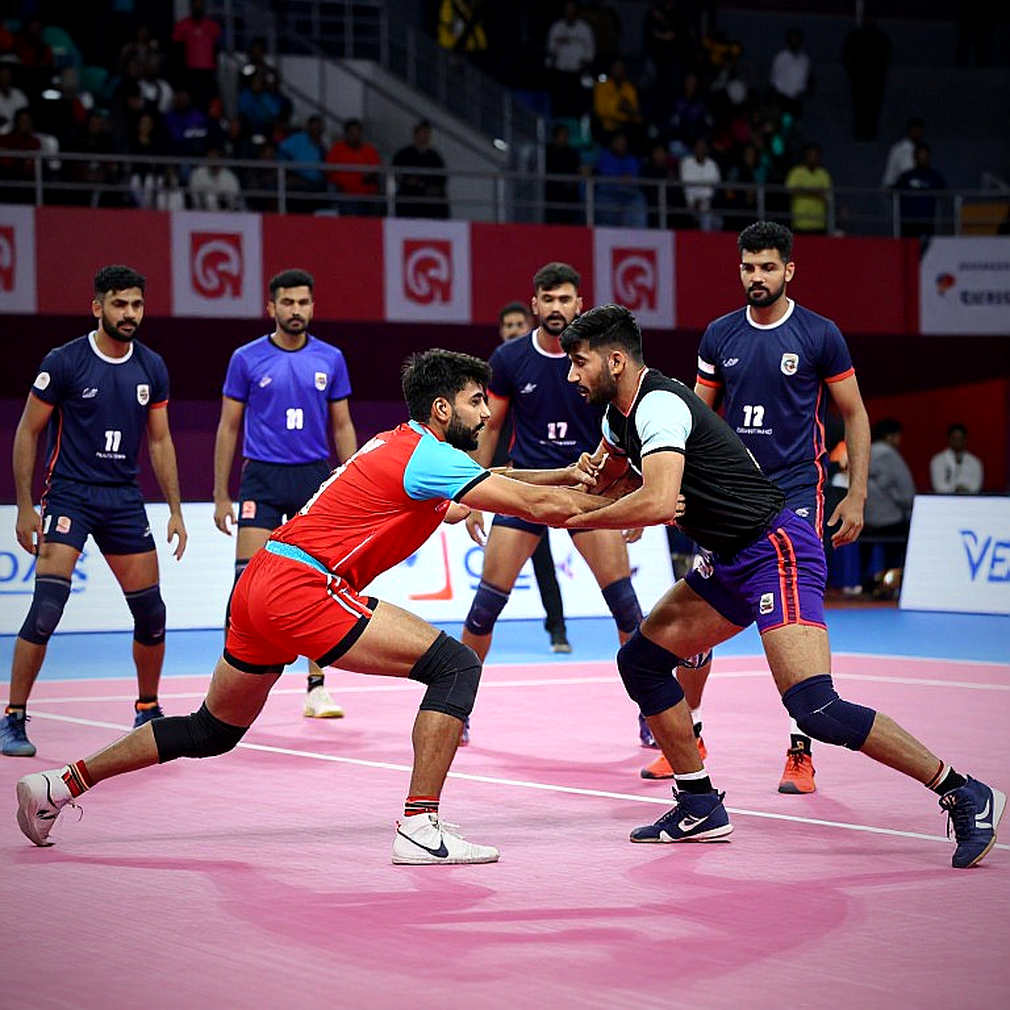
So the next time someone says a team has sealed the title by buying a certain star, pause for a moment and ask: what is his price, what is his role, and who stands around him? If the third answer is empty, you have a star, not a team. And in kabaddi, always, the team beats the star.